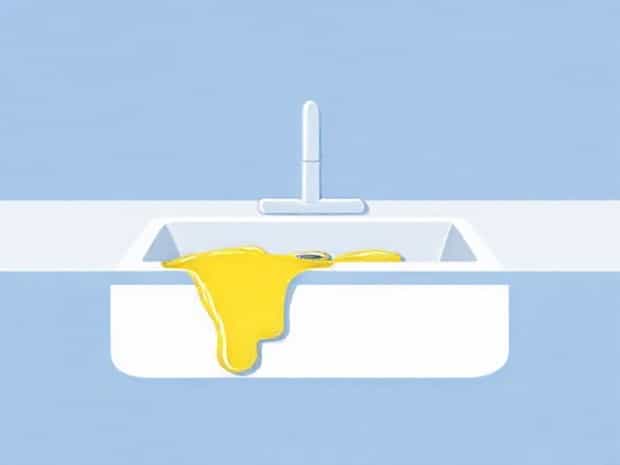
Kitchen Sink Clogged With Grease
A kitchen sink clogged with grease is a common household problem that can cause frustration, unpleasant odors, and even damage to your plumbing system if not handled properly. Many people experience slow drainage or complete blockages when grease and oil from cooking build up over time inside the pipes. Understanding why this happens, how to fix it, and how to prevent future clogs is essential for keeping your kitchen running smoothly. Tackling this issue requires patience, the right methods, and a little bit of maintenance knowledge.
Why Grease Causes Sink Clogs
Grease from cooking oils, butter, and fatty foods may seem harmless when washed down the sink, but it solidifies as it cools. Once inside the drain pipes, it sticks to the inner walls and slowly narrows the pathway for water to flow. Over time, bits of food and other debris cling to the sticky surface, creating a thick blockage that prevents water from draining properly.
Unlike other types of sink clogs, a grease blockage is particularly stubborn because water alone cannot dissolve it. Instead, the grease layer continues to grow and harden, which makes the clog worse with repeated use.
Signs of a Kitchen Sink Clogged with Grease
Recognizing the early signs of a grease-related clog can save you from a bigger plumbing issue. Here are some common indicators
- Water draining more slowly than usual.
- A gurgling sound when water goes down the drain.
- Foul odors coming from the sink caused by trapped food ptopics and grease.
- Standing water in the sink that refuses to drain completely.
Immediate Actions to Take
If you notice your kitchen sink clogged with grease, the first step is to avoid using the sink as much as possible to prevent worsening the blockage. Then, try one of these simple remedies
Hot Water Flush
Pouring boiling water down the sink is often the easiest first attempt to dissolve or loosen grease. Heat can melt some of the fatty buildup, allowing it to wash further down the pipe. However, this method usually works best for mild blockages and not fully solidified clogs.
Baking Soda and Vinegar
A natural cleaning solution of baking soda followed by vinegar can help break down grease buildup. Start by pouring half a cup of baking soda into the drain, followed by one cup of vinegar. Cover the drain for about 15 minutes, then flush with hot water. This chemical reaction helps dislodge sticky grease while also neutralizing odors.
Dish Soap and Hot Water
Grease-fighting dish soap can be surprisingly effective. Squirt a generous amount of soap into the drain, then flush it with boiling water. The soap acts as a degreaser, breaking down fatty deposits and pushing them through the pipes.
Using Tools for Tougher Clogs
When simple methods fail, you may need to use a few basic tools to remove the blockage.
Plunger
A kitchen plunger can create suction and pressure that helps loosen a grease clog. Make sure to cover the overflow hole with a wet cloth, place the plunger over the drain, and plunge vigorously several times. This often forces the clog to move or break apart.
Drain Snake
A drain snake, also known as an auger, is a flexible tool that can reach deep into pipes. Insert it into the drain and rotate it to scrape away grease buildup. This method is effective when the clog is too stubborn for hot water or cleaning solutions.
Wet/Dry Vacuum
If available, a wet/dry vacuum can help suck out grease clogs directly from the drain. This method requires creating a tight seal around the drain to ensure maximum suction power.
Chemical Drain Cleaners Should You Use Them?
While chemical drain cleaners are often marketed as quick solutions, they are not always the best choice for a kitchen sink clogged with grease. These products can generate heat and corrosion, which may damage pipes, especially if you have older plumbing. Additionally, they are harmful to the environment and may not fully resolve the clog. Use them as a last resort and always follow safety instructions carefully.
When to Call a Professional Plumber
If all home remedies and tools fail to clear the clog, it may be time to call a professional plumber. Persistent grease buildup deep within the plumbing system often requires specialized equipment, such as hydro jetting, which uses high-pressure water to blast away grease deposits. Hiring a plumber ensures the problem is resolved thoroughly without risking damage to your pipes.
Preventing Future Grease Clogs
Prevention is the most effective strategy when it comes to keeping your kitchen sink clog-free. By practicing good habits, you can reduce the chances of grease causing problems in the future.
Avoid Pouring Grease Down the Drain
Never pour cooking oil, bacon grease, or fatty liquids directly into the sink. Instead, let the grease cool and solidify, then scrape it into the trash or store it in a sealed container for disposal.
Wipe Before Washing
Before washing greasy pans or plates, wipe them with a paper towel to remove excess oil. This reduces the amount of fat that ends up in your drain.
Use a Sink Strainer
A sink strainer catches food ptopics that might otherwise combine with grease and form blockages. Empty the strainer regularly to maintain clear drains.
Regular Maintenance Flush
Every week, pour a kettle of boiling water mixed with a few drops of dish soap down the drain. This simple routine helps prevent grease from solidifying and sticking to the pipe walls.
Eco-Friendly Alternatives for Maintenance
Some households prefer eco-friendly methods for keeping their drains clear. A mixture of lemon juice and baking soda can provide a refreshing and effective drain cleaner. Additionally, enzyme-based drain cleaners are available, which use natural bacteria to break down grease safely without harming your plumbing or the environment.
Dealing with a kitchen sink clogged with grease is never pleasant, but with the right knowledge, you can handle the situation effectively. Simple methods like boiling water, dish soap, or a baking soda and vinegar mixture are often enough for minor clogs. For tougher cases, tools like plungers and drain snakes can help, and professional plumbers are always an option for severe blockages. More importantly, adopting preventive habits ensures that grease never becomes a recurring problem. By being mindful about what goes down the drain, you can enjoy a clean, odor-free, and smoothly running kitchen sink.