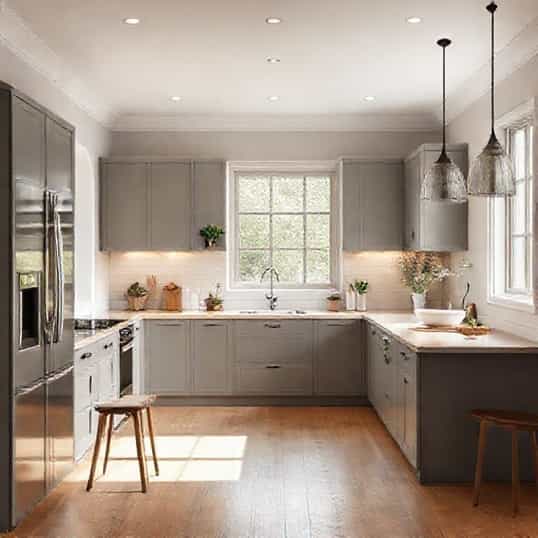
Kitchen In Victorian House
Stepping into a kitchen in a Victorian house is like walking back in time, where design met practicality in an era that valued both elegance and function. These kitchens, often tucked away at the rear of the home, were originally designed for heavy daily use and staffed by servants in wealthier households. Today, homeowners and enthusiasts admire the charm, character, and craftsmanship of these spaces, which continue to inspire modern interior design. Understanding the details of a Victorian kitchen reveals much about the lifestyle, architecture, and cultural values of the 19th century.
Historical Context of Victorian Kitchens
The Victorian period, spanning from 1837 to 1901, was marked by rapid industrialization, changing social classes, and new approaches to home life. In this era, kitchens in Victorian houses reflected the growing emphasis on organization and cleanliness, alongside advancements in cooking technology. Coal-burning stoves replaced open hearths, sinks with running water became more common, and storage solutions evolved to accommodate a wide variety of ingredients and utensils.
While these kitchens were primarily utilitarian, they still reflected the ornate tendencies of the era. Even a functional space like the kitchen carried hints of Victorian design values, blending durability with decorative touches.
Layout and Organization
A kitchen in a Victorian house was designed with efficiency in mind, though its arrangement often depended on the size of the household. Larger homes had expansive kitchens, sometimes with adjoining pantries and sculleries, while modest houses featured more compact spaces. Despite the differences, a few key elements consistently appeared.
Typical Features of Layout
- Central Work AreaThe stove or range was often the focal point, positioned where it could be accessed easily.
- Preparation SurfacesWooden tables or stone counters were common for chopping, kneading, and preparing meals.
- Storage ZonesShelves, cupboards, and hanging racks were arranged to keep ingredients, utensils, and cookware organized.
- Adjoining SpacesIn larger homes, a scullery for washing dishes and a pantry for dry goods helped keep the main kitchen cleaner.
Materials Used in Victorian Kitchens
The choice of materials in a Victorian kitchen reflected durability and practicality. Unlike the polished finishes we often see today, these kitchens had a rugged charm shaped by their heavy daily use. Materials were chosen for their availability and functionality, but they also carried the visual style of the era.
Common Materials
- WoodOak, pine, and mahogany were used for tables, shelves, and cabinets, often with simple carvings or moldings.
- StoneSlate or stone counters were valued for their resilience, especially when working with dough or hot pans.
- IronCast iron stoves became central fixtures, replacing traditional fireplaces as the heart of the kitchen.
- CeramicsGlazed tiles sometimes lined walls near stoves or sinks, making cleaning easier.
Cooking Technology of the Victorian Era
One of the most striking features of a kitchen in a Victorian house was its cooking technology. The shift from open hearths to enclosed ranges transformed the way meals were prepared. These ranges allowed for more controlled cooking, offering ovens, hotplates, and even warming shelves in a single unit.
Alongside stoves, Victorian kitchens often included copper kettles, large pots, and cast iron pans. Bread ovens and meat spits could still be found in older homes, but by the late 19th century, the coal or wood-burning range was standard. These innovations made it easier to cook elaborate meals, reflecting the Victorian love of hearty dining and formal feasts.
Lighting and Ventilation
Because kitchens were places of constant activity, lighting and ventilation were critical. Natural light was important, so kitchens often had larger windows than other back rooms of the house. Gas lighting became common in wealthier homes by the mid-Victorian era, allowing kitchens to operate efficiently even after dark.
Ventilation, however, was more challenging. With coal-burning stoves producing heat and smoke, chimneys and flues were essential to keep the space tolerable. Despite these measures, kitchens in Victorian houses were often hot, noisy, and bustling spaces, far less glamorous than the dining rooms they served.
Storage Solutions
Victorian kitchens required extensive storage to accommodate a wide variety of tools, utensils, and ingredients. Unlike modern minimalist kitchens, these spaces were filled with functional items, each with a place of its own. Gathering intelligence on these storage solutions helps us appreciate how the Victorian household functioned daily.
Examples of Storage
- PantriesSeparate rooms or cupboards held dry goods like flour, sugar, and preserved foods.
- CabinetsBuilt-in or freestanding cabinets stored dishes, cookware, and glassware.
- Hanging RacksPots, pans, and ladles often hung from overhead racks, keeping them within reach.
- DrawersWooden drawers contained cutlery, tools, and linens essential for cooking and serving.
The Social Role of the Victorian Kitchen
Unlike the modern kitchen, which is often the heart of the home, kitchens in Victorian houses were typically service areas. They were the domain of servants in wealthy households, and family members rarely spent time there unless they were directly involved in cooking. The kitchen was a place of labor, efficiency, and routine, often bustling with activity from dawn until late at night.
In middle-class homes without servants, the kitchen took on a more personal role. Here, the lady of the house or her daughters often participated in meal preparation. This shift highlighted the kitchen not just as a working space but as a reflection of household management and domestic pride.
Decorative Elements
Though functionality was key, Victorian kitchens were not entirely without decoration. Simple moldings on cabinetry, patterned tiles, and polished copper pots added a sense of visual charm. Curtains on shelves, lace coverings, and small decorative touches reflected the Victorian love of embellishment, even in utilitarian spaces.
Modern Interpretations of Victorian Kitchens
Today, many homeowners look to recreate the timeless appeal of a kitchen in a Victorian house. Designers often borrow elements such as cast iron ranges, wooden cabinetry, and vintage-inspired lighting. Combining these with modern conveniences creates a space that honors tradition while supporting contemporary living.
Design Tips for a Victorian-Inspired Kitchen
- Incorporate natural materials like wood and stone for authenticity.
- Choose a vintage-style stove or range as a centerpiece.
- Add decorative details such as patterned tiles or open shelving.
- Balance old-world charm with modern functionality for everyday use.
The kitchen in a Victorian house was far more than just a place to cook it was a reflection of the era’s values, innovations, and social structures. From the cast iron range to the carefully organized storage, every detail revealed how Victorians lived and worked. While these kitchens were often bustling and utilitarian, they carried a charm that continues to inspire modern design. By studying and recreating their unique features, we gain not only a sense of history but also a way to bring timeless elegance into contemporary homes.