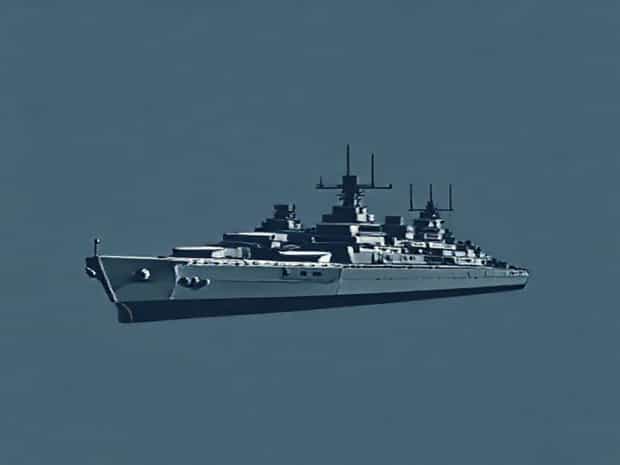
Kirov Class Battlecruiser Vs Ticonderoga
The Kirov-class battlecruiser and the Ticonderoga-class cruiser represent two of the most powerful surface combatants developed during the Cold War and beyond, each reflecting the strategic priorities of their respective nations. The Kirov-class, built by the Soviet Union, is a nuclear-powered battlecruiser designed for long-range strike and fleet defense, emphasizing speed, firepower, and intimidation. The Ticonderoga-class, developed by the United States Navy, is a guided-missile cruiser optimized for air defense, anti-submarine warfare, and multi-role fleet support. Comparing these two classes provides insight into naval architecture, weapon systems, and military doctrine, highlighting how geopolitical context shaped their design and operational roles.
Design and Size
The Kirov-class battlecruisers are among the largest and heaviest surface combatants ever built. With a full load displacement of approximately 28,000 tons and a length exceeding 250 meters, these ships combine the firepower of a cruiser with the size and presence of a small aircraft carrier. They are powered by nuclear reactors, giving them virtually unlimited range and the ability to sustain high speeds for extended periods. In contrast, the Ticonderoga-class cruisers are considerably smaller, with a displacement of around 9,800 tons and a length of approximately 173 meters. They are conventionally powered by gas turbines, allowing for rapid acceleration and maneuverability but limited endurance compared to nuclear-powered vessels.
Hull and Armor
Kirov-class hulls are heavily armored, reflecting Soviet naval doctrine that emphasized survivability in high-intensity conflicts. The armored belt and deck protect critical systems against missiles and shellfire. Ticonderoga-class cruisers, while robust, prioritize agility and versatility over heavy armor. They feature compartmentalization and damage control systems to enhance survivability without significantly increasing displacement or reducing speed. This difference reflects the contrasting operational philosophies of the Soviet Navy, which anticipated large-scale naval battles, and the US Navy, which emphasizes multi-threat flexibility.
Armament and Firepower
One of the most striking differences between the two classes is their weaponry. The Kirov-class is equipped with a formidable mix of anti-ship, anti-air, and surface-to-surface missiles, including P-700 Granit (SS-N-19 Shipwreck) cruise missiles capable of striking large naval targets at ranges exceeding 600 kilometers. It also carries multiple surface-to-air missile systems, close-in weapon systems, and torpedo tubes, making it capable of engaging air, surface, and subsurface threats. The Ticonderoga-class relies heavily on the Aegis Combat System, which integrates radar, missiles, and fire control to provide long-range air defense. Armed with Standard Missiles, Tomahawk cruise missiles, and anti-submarine rockets, Ticonderoga cruisers excel in multi-role operations and precision strike capabilities, though their individual missile payload is smaller compared to the Kirov’s heavy strike arsenal.
Missile Systems Comparison
- Kirov-class P-700 Granit anti-ship missiles, S-300F Fort long-range SAMs, Osa-MA short-range SAMs
- Ticonderoga-class SM-2 and SM-6 surface-to-air missiles, Tomahawk land-attack cruise missiles, ASROC anti-submarine rockets
- Kirov-class emphasizes overwhelming firepower and fleet dominance
- Ticonderoga-class emphasizes integrated defense and multi-mission flexibility
Speed and Mobility
The nuclear propulsion of the Kirov-class grants it sustained high speeds and operational independence from refueling, allowing extended deployments in open oceans. It can maintain speeds of 32 knots, making it fast for a ship of its size. Ticonderoga-class cruisers, powered by four gas turbine engines, can reach speeds of 32 knots as well but are limited by conventional fuel requirements. The smaller size and lighter displacement of the Ticonderoga provide superior maneuverability in coastal and constrained environments, while the Kirov’s size favors endurance and strategic presence in blue-water operations.
Defensive Capabilities
Defensive systems differ based on the intended threat environment. Kirov-class vessels employ layered air defense systems, electronic warfare suites, and point-defense artillery to intercept incoming missiles and aircraft. Their size allows for extensive radar coverage and multiple weapon redundancies. Ticonderoga-class cruisers leverage the Aegis Combat System, arguably the most advanced integrated naval air defense system, capable of tracking hundreds of targets simultaneously and coordinating intercepts with SM-2 and SM-6 missiles. While both classes prioritize survivability, the Ticonderoga emphasizes networked defense and coordination with carrier strike groups, whereas the Kirov emphasizes autonomous engagement and sheer defensive firepower.
Role and Operational Doctrine
Kirov-class battlecruisers were designed during the Cold War to serve as flagship vessels in Soviet strike groups, threatening US carrier groups and controlling sea lanes with overwhelming missile power. Their nuclear propulsion, long-range missiles, and armored construction allowed them to operate independently in high-threat environments. Ticonderoga-class cruisers, by contrast, are integral components of US carrier strike groups, tasked with air defense, anti-submarine warfare, and precision strike missions. They are versatile platforms that can adapt to changing mission requirements and operate alongside destroyers, aircraft carriers, and submarines within a networked naval task force.
Strategic Implications
- Kirov-class serves as a symbol of power projection and naval deterrence
- Ticonderoga-class enables integrated fleet defense and multi-domain operations
- Kirov emphasizes long-range strike and high-intensity naval combat
- Ticonderoga emphasizes interoperability, networked warfare, and mission flexibility
Technological Advancements
Both classes reflect the pinnacle of naval technology at their time of introduction. Kirov-class battlecruisers incorporate advanced radar systems, fire control, and missile guidance suited for Cold War-era engagements. Ticonderoga-class cruisers were among the first to integrate the Aegis Combat System, providing revolutionary command and control capabilities. Subsequent upgrades in both classes have kept them relevant, including improved missile systems, electronic countermeasures, and communications equipment. The technological emphasis differs, with Kirov focusing on raw power and long-range strike, and Ticonderoga focusing on precision, coordination, and defense against sophisticated threats.
In comparing the Kirov-class battlecruiser and the Ticonderoga-class cruiser, it becomes clear that each reflects the naval priorities and strategic doctrines of its country. The Kirov-class emphasizes size, firepower, and independent strike capabilities, projecting Soviet power across oceans and threatening adversary fleets. The Ticonderoga-class emphasizes integrated fleet defense, multi-role capability, and precision strike within a networked naval structure. Both classes are formidable in their own right, with the Kirov serving as a symbol of raw military might and the Ticonderoga representing technological sophistication and operational flexibility. Understanding these differences provides valuable insight into naval strategy, ship design, and the evolution of maritime warfare in the modern era.