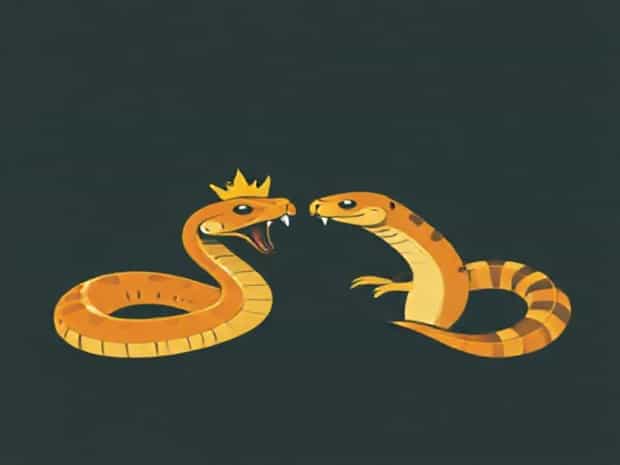
King Snake Vs Gopher Snake
King snakes and gopher snakes are two fascinating types of non-venomous snakes commonly found in North America. Both species play important roles in their ecosystems by controlling rodent populations and maintaining balance in local habitats. Despite their similarities in appearance and habitat, there are notable differences between these two snakes that are important for enthusiasts, pet owners, and nature observers to understand. Comparing king snakes and gopher snakes provides insights into their behavior, physical characteristics, and ecological importance.
Overview of King Snakes
King snakes, belonging to the genusLampropeltis, are known for their striking coloration and strong constricting ability. They are non-venomous and are often admired for their role as natural pest controllers. King snakes are found throughout a wide range of habitats, including forests, grasslands, and deserts. Their diet primarily consists of rodents, birds, eggs, and even other snakes, including venomous species. This ability to prey on other snakes has earned them the name king snakes, highlighting their dominance in the snake hierarchy.
Physical Characteristics of King Snakes
- SizeKing snakes generally grow between 3 to 6 feet in length, with some subspecies reaching up to 8 feet.
- ColorationThey display a variety of patterns, including bands, stripes, and speckles in colors like black, red, yellow, and white.
- Body ShapeKing snakes have smooth scales and a muscular, cylindrical body suitable for constriction.
- Head ShapeTheir head is slightly wider than the neck, but not as pronounced as some venomous snakes, which helps in identification.
Overview of Gopher Snakes
Gopher snakes, also known as bullsnakes and belonging to the genusPituophis, are often mistaken for rattlesnakes due to their similar coloring and defensive behaviors. They are also non-venomous and play a critical role in controlling rodent populations. Gopher snakes inhabit a range of environments such as deserts, prairies, and agricultural fields. Their diet primarily includes small mammals, birds, and eggs, making them efficient predators that support ecosystem balance.
Physical Characteristics of Gopher Snakes
- SizeGopher snakes are generally longer than king snakes, ranging from 4 to 7 feet, with some individuals exceeding 8 feet.
- ColorationThey usually have a yellow or cream base color with dark brown or black blotches running down their back.
- Body ShapeGopher snakes have a more elongated, slightly thicker body compared to king snakes.
- Head ShapeTheir head is more distinctly triangular than king snakes, which can confuse predators into thinking they are venomous.
Behavioral Differences
King snakes and gopher snakes exhibit different behaviors, particularly in response to threats. King snakes tend to be more docile and less likely to display defensive behaviors. When threatened, they may coil and vibrate their tail or attempt to escape rather than confront a predator directly. They are also known for their immunity to the venom of other snakes, allowing them to hunt dangerous species safely.
Gopher snakes, on the other hand, are famous for their defensive mimicry. When threatened, they may flatten their head, hiss loudly, and vibrate their tail to mimic a rattlesnake. This behavior deters potential predators despite the snake being non-venomous. Gopher snakes are also strong constrictors, using their muscular bodies to subdue prey.
Temperament in Captivity
- King SnakesGenerally calm, easy to handle, and often kept as pets by reptile enthusiasts.
- Gopher SnakesCan be more defensive initially, but with regular handling, they become accustomed to human interaction.
- Handling TipsBoth species require careful handling, as sudden movements can stress the snake and provoke defensive behavior.
Ecological Roles
Both king snakes and gopher snakes are important for ecosystem health. King snakes help control populations of rodents and other snakes, reducing the spread of disease and crop damage. Gopher snakes, through their rodent predation, protect crops and reduce pest populations in agricultural areas. Their presence maintains a balance in the food chain, supporting the survival of other species and overall ecosystem stability.
Predators and Threats
- Birds of prey such as hawks and eagles
- Larger mammals, including foxes and coyotes
- Human activity, including habitat destruction and road mortality
- Introduced species and pets that may harm snakes
Identifying King Snakes vs Gopher Snakes
While both snakes can be similar in size and habitat, certain characteristics help distinguish them. King snakes often have brighter colors with clearly defined bands or stripes, while gopher snakes have blotched patterns that resemble rattlesnakes. The head shape is another key feature king snakes have a more uniform head-to-neck ratio, whereas gopher snakes display a more triangular head. Behavior also aids identification, as gopher snakes mimic rattlesnakes, whereas king snakes remain calmer in defensive situations.
Comparison Table
- LengthKing snakes 3-6 ft, Gopher snakes 4-7 ft
- PatternKing snakes – bands/stripes, Gopher snakes – blotches
- HeadKing snakes – slightly wider than neck, Gopher snakes – more triangular
- BehaviorKing snakes – calm, Gopher snakes – defensive mimicry
- DietBoth – rodents, birds, eggs; King snakes – also other snakes
King snakes and gopher snakes are two remarkable species with distinct traits despite sharing habitats and similar diets. King snakes are admired for their vibrant colors, calm nature, and ability to hunt other snakes, while gopher snakes are known for their mimicry, length, and effectiveness in controlling rodent populations. Understanding their physical characteristics, behaviors, and ecological roles helps in distinguishing these species and appreciating their contributions to the environment. Whether encountered in the wild or kept in captivity, both king snakes and gopher snakes exemplify the diversity and adaptability of North American snakes, making them important subjects for study, conservation, and responsible pet ownership.