Kid Friendly Definition Of Irrigate
Understanding new words can be both exciting and challenging for children, especially when it comes to concepts related to nature, science, or everyday life. One such word is irrigate, which is often used in farming, gardening, and discussions about water use. For kids, learning the meaning of irrigate can be made simple and engaging by connecting the word to things they see or do every day, like watering plants in a garden or helping at home with potted plants. By providing a kid-friendly definition and examples, children can not only understand the word but also remember it and use it in their own sentences. This approach helps expand vocabulary, encourages curiosity about the natural world, and teaches practical knowledge about how plants grow and why water is important.
Kid-Friendly Definition of Irrigate
To irrigate means to give water to plants, crops, or soil, usually in a way that helps them grow better. It is like helping plants take a drink when they are thirsty. Farmers and gardeners often irrigate their fields or gardens to make sure the plants have enough water, especially when it does not rain. Irrigation can be done in many ways, such as using sprinklers, hoses, ditches, or drip systems that slowly give water to the roots of the plants.
Examples of Irrigation
Understanding irrigation becomes easier when children can see examples in real life. Some common examples include
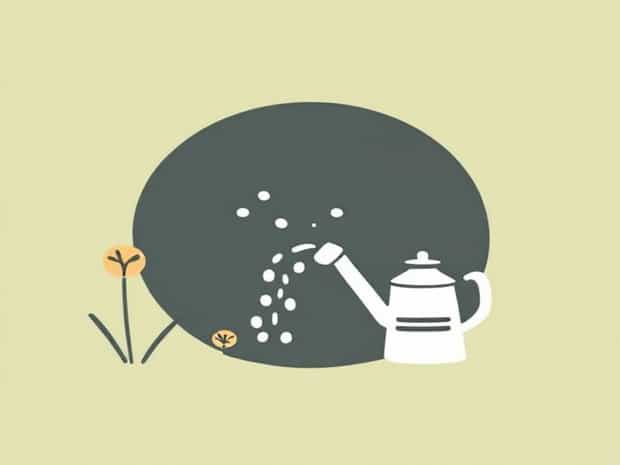
- Using a watering can to water flowers in the garden.
- Sprinklers on a lawn or playground giving water to the grass.
- Farmers directing water from a river or canal to their fields to grow crops like corn or rice.
- Drip irrigation systems that slowly water plants in pots or greenhouses.
Why Irrigation is Important
Irrigation is important because plants need water to grow, just like humans and animals need water to stay healthy. Without enough water, plants can become weak, stop growing, or even die. By irrigating, we make sure that plants get the right amount of water, even when it doesn’t rain. This is especially important for farms where crops need a lot of water to produce food for people. Learning about irrigation also helps kids understand where their food comes from and why caring for plants is important.
Different Types of Irrigation
There are several ways to irrigate plants, and each method has a special name and purpose. Explaining these to kids in simple terms helps them understand the variety of irrigation methods used around the world.
- Sprinkler IrrigationWater is sprayed over plants like rain using sprinklers or hoses. It is fun to watch and easy to understand.
- Drip IrrigationSmall amounts of water slowly drip to the base of each plant. This method saves water and helps plants get water directly to their roots.
- Flood IrrigationWater is poured over a field so that it covers the soil. Farmers use this method for crops like rice.
- Surface IrrigationWater flows along the surface of the soil, reaching many plants at once. It is simple and has been used for thousands of years.
Fun Activities to Teach Kids About Irrigation
Learning about irrigation can be even more interesting when kids get to see it in action. Parents, teachers, and caregivers can use fun activities to help children understand how irrigation works and why it is important.
- Water a small garden or indoor plants using a watering can, and explain that this is a simple form of irrigation.
- Set up a mini drip irrigation system with a bottle and a few holes to show how water slowly reaches the plant roots.
- Draw a picture of a farm and add streams, sprinklers, or canals to show how water reaches crops.
- Talk about how rain is natural irrigation and compare it with watering plants at home or school.
Teaching Responsibility Through Irrigation
Irrigating plants also teaches kids responsibility. When children water plants regularly, they learn that plants rely on them for survival. This can help develop empathy, patience, and a sense of accomplishment. By understanding that irrigation is more than just giving water, children can connect their actions to helping plants grow healthy and strong.
Learning Through Stories and Play
Stories, cartoons, and games can also help explain the concept of irrigation. Children can imagine being farmers, gardeners, or caretakers of a magical garden where every plant needs water to grow. By incorporating irrigation into fun stories or role-playing games, children can better grasp the idea while enjoying learning. These methods make learning vocabulary interactive, memorable, and meaningful.
Relating Irrigation to Everyday Life
Explaining irrigation through everyday examples makes the concept more relatable. Children can observe watering at home, school gardens, or parks. Teachers and parents can discuss how water moves from a hose, faucet, or rain to the soil and helps plants grow. Using relatable examples encourages children to ask questions and think critically about natural processes, water conservation, and how humans interact with the environment.
Summary and Key Points
In summary, the kid-friendly definition of irrigate is to give water to plants to help them grow. Understanding irrigation helps children learn about plant care, water use, and responsibility. Key points to remember include
- Irrigation means providing water to plants in a way that helps them grow.
- It can be done using watering cans, sprinklers, drip systems, or other methods.
- Irrigation is important for healthy plants, crops, and gardens.
- Children can learn about irrigation through hands-on activities, stories, and everyday examples.
- Understanding irrigation encourages responsibility, empathy, and curiosity about the natural world.
Teaching children the meaning of irrigate in a simple, engaging way helps expand their vocabulary and encourages interest in nature and gardening. By connecting the concept to real-life examples, fun activities, and stories, children can understand how plants grow, why water is essential, and how their actions can make a difference. Whether using a watering can, watching sprinklers, or learning about farm irrigation, kids gain practical knowledge and a sense of accomplishment while exploring the world around them. Learning about irrigation is not only educational but also a stepping stone for nurturing curiosity, responsibility, and care for the environment in young minds.