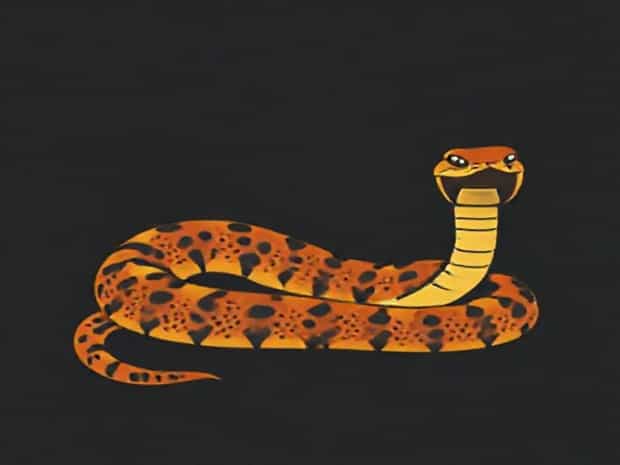
Key To Identify Poisonous And Nonpoisonous Snakes
Identifying whether a snake is poisonous or nonpoisonous can be a matter of life and death, especially for those who live in areas where snakes are common. Understanding the key characteristics that differentiate venomous snakes from harmless ones is crucial for safety, education, and wildlife appreciation. While some snakes display distinct patterns and colors that signal danger, others require a more careful observation of physical traits and behavior. Learning these identification tips allows people to coexist safely with these reptiles while respecting their role in the ecosystem.
Physical Features to Observe
When attempting to identify poisonous versus nonpoisonous snakes, one of the first things to examine is the snake’s physical appearance. Certain anatomical traits are more common in venomous species, though these traits are not universal. Observing the following features can help make a more informed judgment
Head Shape
- Venomous SnakesMany venomous snakes, such as vipers, have a triangular or arrow-shaped head. This broad head is often distinct from the neck, due to the presence of venom glands.
- Nonvenomous SnakesNonpoisonous snakes usually have a more rounded or oval head that gradually tapers into the neck.
Eye Characteristics
- Venomous SnakesPit vipers, a common group of venomous snakes, often have elliptical, slit-like pupils that resemble a cat’s eye. This adaptation helps them gauge light and focus on prey.
- Nonvenomous SnakesMost nonpoisonous snakes have round pupils, similar to those of humans, making this a useful distinguishing feature in daylight.
Scales and Color Patterns
While color alone is not a reliable indicator, some snakes display distinctive patterns associated with venomous species
- Venomous SnakesSome species have bold, contrasting color bands or markings that serve as warnings to predators. For example, coral snakes have red, yellow, and black bands arranged in specific sequences.
- Nonvenomous SnakesMany harmless snakes mimic the coloration of venomous snakes to deter predators. However, they usually lack the precise patterning and band arrangements of their poisonous counterparts.
Behavioral Traits
In addition to physical characteristics, observing a snake’s behavior can provide clues about its potential danger. Venomous snakes often display defensive behaviors that nonpoisonous snakes do not
Defensive Posture
- Venomous snakes may coil their bodies tightly and raise their heads when threatened, preparing to strike if necessary.
- Nonvenomous snakes tend to flee quickly or remain passive, relying on camouflage to avoid threats.
Rattling or Sounds
Some venomous species have auditory warning mechanisms
- Rattlesnakes, for instance, have a rattle at the end of their tails that produces a warning sound when vibrated.
- Nonvenomous snakes rarely produce such deliberate warning sounds.
Geographical and Habitat Considerations
Knowing the local snake species can significantly improve identification accuracy. Geographic range and preferred habitats often correlate with venomous and nonvenomous species
Habitat Types
- Venomous snakes are often found in areas with ample prey, such as rodents or amphibians, and may prefer specific terrain like rocky hills, forests, or wetlands.
- Nonvenomous snakes can thrive in a variety of habitats, including grasslands, gardens, and urban areas, and are less restricted by terrain.
Regional Knowledge
Familiarity with the snakes commonly found in your region helps identify which ones are potentially dangerous. For example, in North America, pit vipers like rattlesnakes, copperheads, and cottonmouths are venomous, while garter snakes and rat snakes are harmless. Consulting local wildlife guides or experts enhances safety and reduces misidentification risks.
Special Cases and Exceptions
It is important to note that not all venomous snakes exhibit obvious warning signs, and some nonvenomous snakes mimic venomous species. Therefore, relying on a single characteristic may be misleading. Consider these special cases
Mimicry
- Some nonvenomous snakes imitate the coloration and patterns of venomous snakes, a phenomenon known as Batesian mimicry. For example, the scarlet kingsnake closely resembles the venomous coral snake but is harmless.
Exceptions in Anatomy
- Not all venomous snakes have triangular heads or slit pupils; some species, like certain elapids, have round pupils and less pronounced head shapes.
Practical Tips for Identification
While the above guidelines are useful, the safest approach is caution and respect. Here are practical steps to identify snakes without risking injury
- Keep a safe distance and do not attempt to handle unknown snakes.
- Observe the snake’s head shape, pupil type, and behavior from afar.
- Take note of color patterns and markings without touching the snake.
- Consult a reliable field guide or local expert for species confirmation.
- Learn about the venomous species in your area to recognize them more accurately.
Importance of Correct Identification
Being able to identify poisonous and nonpoisonous snakes is critical for safety, medical preparedness, and wildlife conservation. Misidentification can lead to unnecessary panic, harm to humans, or killing of harmless snakes. Educating yourself about local snake species reduces fear, promotes coexistence, and allows for informed decisions if you encounter a snake in the wild.
First Aid Awareness
Even with correct identification skills, accidents can happen. Knowing the basics of first aid for snake bites and having access to emergency services is vital. Venomous bites require immediate medical attention, whereas bites from nonpoisonous snakes generally only need cleaning and monitoring.
Identifying poisonous and nonpoisonous snakes involves a careful observation of physical features, behaviors, and regional knowledge. Key traits include head shape, pupil type, scale patterns, and defensive behaviors. Awareness of mimicry and exceptions is also essential, as some harmless snakes imitate dangerous ones. By combining careful observation with local species knowledge and caution, you can effectively distinguish between venomous and nonvenomous snakes, ensuring both personal safety and the conservation of these important reptiles.