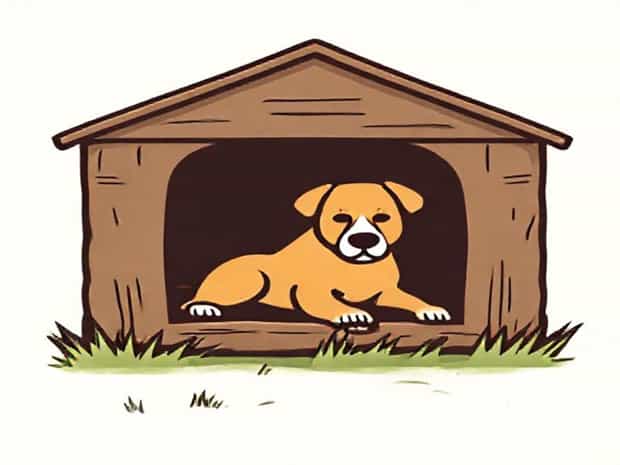
Kennel For Destructive Dog
Owning a destructive dog can be challenging, especially when they chew furniture, dig through trash, or engage in other behaviors that damage your home. A kennel can provide a safe, controlled environment for your dog while helping manage these destructive tendencies. Choosing the right kennel, training your dog to use it properly, and understanding the psychological benefits of kenneling are essential steps for both the dog’s well-being and the preservation of your household. Proper use of a kennel can also enhance your dog’s sense of security, reduce anxiety, and promote good behavior over time.
Understanding Destructive Behavior in Dogs
Destructive behavior in dogs often stems from boredom, anxiety, or insufficient exercise. Puppies and young dogs may explore their environment with their mouths, while adult dogs may develop destructive habits due to stress or separation anxiety. Identifying the root cause of these behaviors is the first step in addressing them effectively with a kennel.
Common Causes of Destructive Behavior
- Boredom or lack of mental stimulation
- Excess energy due to insufficient physical activity
- Separation anxiety when left alone
- Teething in puppies, leading to chewing on inappropriate objects
- Lack of proper training or boundaries
The Benefits of Using a Kennel
A kennel can provide multiple benefits for a destructive dog, creating a structured environment that supports both safety and behavioral improvement. When used correctly, kennels are not a form of punishment but a tool to manage behavior while promoting a sense of security.
Safety and Security
Kennels prevent your dog from accessing areas where they might cause damage or injure themselves. By confining your dog to a secure space, you can protect both your belongings and the dog from potential hazards like electrical cords, sharp objects, or toxic substances.
Behavioral Management
Confinement in a kennel teaches dogs to remain calm when alone and reduces the likelihood of destructive behaviors. It can also serve as a training tool for housebreaking, chewing control, and establishing routines. Over time, dogs learn that the kennel is a safe and comfortable place, which helps curb destructive tendencies when unsupervised.
Choosing the Right Kennel
Selecting the appropriate kennel for a destructive dog involves considering the dog’s size, strength, and specific needs. A sturdy and well-ventilated kennel is essential to prevent escape or damage and to ensure your dog’s comfort.
Material and Construction
- Metal KennelsStrong, durable, and chew-resistant, ideal for dogs that are prone to destructive behavior.
- Plastic KennelsLightweight and enclosed, providing a den-like environment, but may not withstand heavy chewing.
- Soft-Sided KennelsSuitable for travel or calm dogs but generally not recommended for highly destructive pets.
Size and Comfort
Your dog should have enough space to stand, turn around, and lie down comfortably. A kennel that is too small can cause stress, while one that is too large may not provide the sense of security that helps curb anxiety-driven destructive behavior. Adding a soft bed or blanket enhances comfort and encourages the dog to view the kennel as a positive space.
Training Your Dog to Use a Kennel
Proper kennel training ensures that your dog associates the space with safety and positive experiences rather than punishment. Gradual introduction and consistent routines are key to successful training.
Step-by-Step Introduction
- Place treats, toys, or bedding inside the kennel to create a welcoming environment.
- Encourage your dog to enter voluntarily using verbal praise and rewards.
- Start with short periods of confinement while you are present, gradually increasing duration.
- Maintain a consistent schedule for kennel use, aligning with feeding, playtime, and walks.
Positive Reinforcement
Reward your dog with treats, affection, or playtime whenever they enter or remain calm in the kennel. Avoid using the kennel as a form of punishment, as this can create negative associations and increase anxiety or destructive behavior.
Managing Separation Anxiety
Many destructive behaviors arise from separation anxiety. Using a kennel in combination with desensitization techniques can help reduce anxiety and make your dog more comfortable when left alone.
Desensitization Techniques
- Practice leaving your dog in the kennel for brief periods while you remain nearby, gradually increasing the distance and duration.
- Use interactive toys or puzzle feeders inside the kennel to keep your dog engaged.
- Establish a calm pre-departure routine to reduce stress when leaving the house.
Maintaining a Healthy Kennel Environment
Keeping the kennel clean, comfortable, and well-ventilated contributes to your dog’s overall well-being. Regular maintenance helps prevent odors, skin irritations, and respiratory issues, creating a positive and safe space for your dog.
Cleaning and Hygiene
- Wash bedding and blankets frequently to remove dirt and bacteria.
- Wipe down the kennel with pet-safe cleaners to maintain cleanliness.
- Check for wear and tear, ensuring there are no sharp edges or broken parts that could injure your dog.
Enrichment and Comfort
Providing toys, chew items, and comfortable bedding makes the kennel an appealing environment. Rotating toys and introducing new items periodically keeps your dog mentally stimulated and reduces boredom-related destructive behaviors.
When to Seek Professional Help
If your dog continues to exhibit severe destructive behavior despite proper kennel use, consulting a veterinarian or professional dog trainer is recommended. Underlying medical issues, anxiety disorders, or behavioral problems may require specialized intervention and training techniques to address effectively.
A kennel can be an invaluable tool for managing a destructive dog when chosen and used correctly. It provides safety, security, and structure while reducing the risk of property damage and stress-related behaviors. Combining a sturdy, comfortable kennel with proper training, mental and physical stimulation, and positive reinforcement fosters a happy and well-behaved dog. With patience and consistency, kenneling becomes a positive experience, enhancing the bond between you and your pet while addressing destructive tendencies effectively.