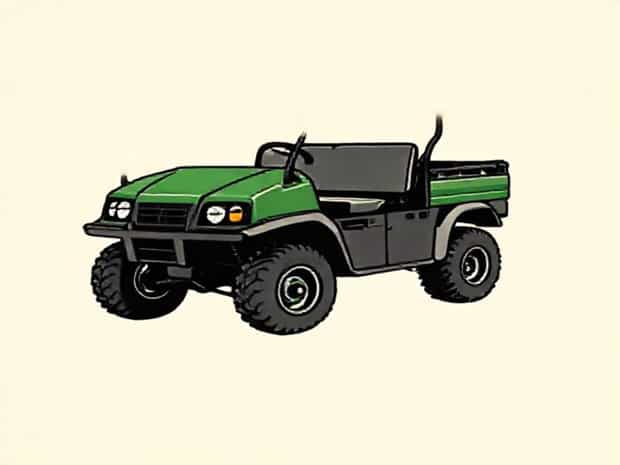
Kawasaki Mule Belt Squeal
Owners of Kawasaki Mule utility vehicles often encounter a common issue belt squeal. This high-pitched noise, usually coming from the engine compartment, can be alarming and may indicate underlying problems with the drive system. While some noises are normal during operation, persistent or loud squealing warrants investigation to prevent damage to the belt or other mechanical components. Understanding the causes, symptoms, and solutions for Kawasaki Mule belt squeal can help owners maintain their vehicles efficiently and extend the lifespan of their machinery.
Understanding Belt Squeal
Belt squeal is a high-pitched noise produced when the engine belt slips or vibrates excessively. In Kawasaki Mule models, the belt transmits power from the engine to various components, including the drive system, alternator, and cooling system. When the belt is worn, misaligned, or loose, it can produce a squealing sound during acceleration, deceleration, or when the engine is under load.
Common Causes of Kawasaki Mule Belt Squeal
- Worn or Glazed BeltOver time, belts can become smooth or hardened, reducing friction and causing slippage.
- Loose Belt TensionImproper tension can lead to slipping, which generates a high-pitched squeal.
- Misaligned PulleysIf pulleys are not properly aligned, the belt may rub unevenly, creating noise and accelerated wear.
- ContaminationDirt, oil, or debris on the belt surface can reduce grip and increase the likelihood of squealing.
- High Load ConditionsHeavy loads or steep inclines can cause the belt to slip temporarily, producing a squeal.
Symptoms and Identification
Recognizing the signs of belt squeal is essential for timely maintenance. Common symptoms include a sharp, high-pitched noise when starting the engine or accelerating, intermittent squealing during operation, and visible wear on the belt surface. Additionally, owners may notice decreased performance, such as reduced power transfer to the drive system, or unusual vibrations in the vehicle. Prompt identification can prevent further damage and costly repairs.
Inspection Tips
- Check the belt for cracks, fraying, or glazing.
- Ensure proper belt tension according to the manufacturer’s specifications.
- Inspect pulleys for misalignment, wear, or damage.
- Clean the belt and surrounding components to remove oil, grease, or debris.
- Observe the belt while the engine is running (safely) to detect slippage or wobbling.
Maintenance and Solutions
Maintaining the Kawasaki Mule belt and associated components is key to preventing squeal and ensuring smooth operation. Regular inspection, cleaning, and replacement of worn parts are essential. Depending on the cause, solutions may vary from simple adjustments to component replacement.
Adjusting Belt Tension
Proper belt tension is crucial for reducing squeal. Most Kawasaki Mule models have a tensioner that can be adjusted manually or automatically. If the belt is too loose, it may slip under load, producing noise. If too tight, it may wear prematurely or strain the engine components. Refer to the owner’s manual for correct tension specifications and adjustment procedures.
Replacing the Belt
If the belt is worn, glazed, or damaged, replacement is the most effective solution. Always use OEM (Original Equipment Manufacturer) belts or high-quality alternatives to ensure proper fit and performance. When replacing the belt, check the pulleys and tensioner for wear, as failing components can cause the new belt to squeal as well.
Cleaning and Lubrication
Contamination by oil, dirt, or debris can contribute to belt squeal. Carefully clean the belt and pulleys using a suitable degreaser, avoiding harsh chemicals that could damage the rubber. Lubrication should be applied only to pivot points or tensioners, not the belt itself, as lubricating the belt can worsen slipping.
Preventive Measures
Preventing belt squeal involves regular maintenance and proactive inspection. Establishing a routine that includes checking belt condition, tension, and pulley alignment can minimize the risk of noise and mechanical issues. Additionally, avoiding abrupt load changes or overloading the vehicle helps reduce stress on the belt system.
Best Practices for Kawasaki Mule Owners
- Inspect belts every 50-100 hours of operation or as recommended by the manufacturer.
- Keep the engine and belt area clean to prevent contamination.
- Replace belts at the first sign of glazing, cracking, or fraying.
- Ensure pulleys and tensioners are in good condition before installing a new belt.
- Follow the manufacturer’s recommended load limits to avoid excessive belt strain.
When to Seek Professional Help
While minor adjustments may be handled by experienced owners, persistent squeal or signs of mechanical wear should be addressed by a qualified technician. Professional inspection ensures that all potential causes, including misaligned pulleys or failing tensioners, are correctly diagnosed and repaired. Prompt professional attention can prevent further damage and maintain the safety and performance of the Kawasaki Mule.
Signs You Need a Mechanic
- Continuous squealing despite tension adjustments.
- Visible wear on pulleys or tensioner components.
- Loss of power or abnormal vibration during operation.
- Repeated belt replacement without resolving the noise.
Kawasaki Mule belt squeal is a common but manageable issue. Understanding the causes, identifying symptoms early, and implementing proper maintenance practices can prevent extensive damage and prolong the life of the vehicle. From adjusting tension and replacing worn belts to cleaning and inspecting pulleys, proactive care is key to resolving squeal issues. For persistent or severe problems, seeking professional assistance ensures the vehicle remains safe, reliable, and efficient for all types of terrain and work conditions.
- Common causes include worn belts, loose tension, misaligned pulleys, and contamination.
- Early detection through inspection and observation helps prevent major damage.
- Regular maintenance, including tension adjustments and cleaning, minimizes belt squeal.
- Replacement with high-quality belts and inspection of pulleys ensures long-term reliability.
- Professional help is recommended for persistent squeal or complex mechanical issues.