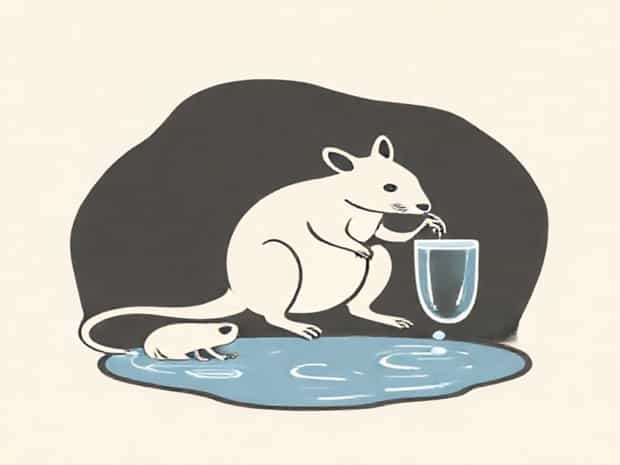
Kangaroo Rats Seldom Drink Water
Kangaroo rats are small rodents that have fascinated scientists for decades due to their remarkable ability to survive in some of the harshest desert environments on Earth without drinking water. These nocturnal creatures, native to North American deserts, have developed extraordinary adaptations that allow them to meet all their hydration needs from the food they eat and the metabolic processes in their bodies. Understanding how kangaroo rats seldom drink water provides insight into evolutionary biology, desert ecology, and the unique strategies animals use to thrive in extreme conditions.
Introduction to Kangaroo Rats
Kangaroo rats belong to the genus Dipodomys and are named for their strong hind legs, which resemble those of a kangaroo. These adaptations allow them to move quickly across desert terrain and escape predators efficiently. Unlike many other rodents, kangaroo rats rarely need to drink water, a trait that has enabled them to colonize arid regions where other species might not survive. Their ability to conserve water and extract moisture from food is a key factor in their success as desert dwellers.
Physical Characteristics
- Long, powerful hind legs for jumping and rapid movement.
- Fur-lined cheek pouches used for carrying seeds and other food.
- Large eyes and ears adapted for nocturnal activity.
- Small, compact body size that reduces water loss.
- Long tail used for balance during jumps and agility.
Water Conservation Adaptations
One of the most fascinating aspects of kangaroo rats is their ability to survive without drinking water. These rodents have evolved several physiological and behavioral adaptations to conserve and generate water. Their kidneys are extremely efficient at concentrating urine, which minimizes water loss. They also produce dry feces, further reducing water expenditure. By remaining nocturnal, kangaroo rats avoid the extreme heat of the day, which limits water loss through evaporation and sweating. These adaptations collectively allow them to thrive in arid environments where free-standing water is scarce or nonexistent.
Diet and Moisture Intake
Kangaroo rats obtain most of their water from the seeds and vegetation they eat. Seeds contain small amounts of water and nutrients that are metabolized to produce water internally. This process, known as metabolic water production, allows kangaroo rats to maintain hydration even in the absence of liquid water. They are highly selective about their diet, preferring seeds that maximize moisture intake while providing sufficient energy to sustain their high activity levels. This specialized feeding behavior is a crucial component of their survival strategy.
Nocturnal Behavior
By being nocturnal, kangaroo rats avoid the scorching heat of the desert sun. Nighttime activity reduces water loss through evaporation and helps them conserve energy. During the day, they retreat to burrows that provide stable temperatures and high humidity, further minimizing water loss. These burrows are often complex structures with multiple chambers for storing food and nesting, highlighting the sophisticated behavior of kangaroo rats in adapting to desert life.
Reproductive Strategies and Water Conservation
Even reproduction in kangaroo rats is influenced by their need to conserve water. Female kangaroo rats carefully regulate the timing of reproduction to coincide with periods when seeds and food are more abundant. Gestation periods are relatively short, and the young are weaned quickly, allowing the mother to maintain her hydration and energy levels. Juvenile kangaroo rats rapidly develop the same water-conserving physiological traits as adults, ensuring the survival of the next generation in challenging environments.
Predator Avoidance and Survival
Kangaroo rats face threats from a variety of desert predators, including snakes, owls, and foxes. Their nocturnal behavior, exceptional jumping ability, and keen senses help them evade predators. The ability to survive without drinking water also reduces the need to travel long distances to find water sources, decreasing exposure to predators. These combined adaptations illustrate the evolutionary pressures that have shaped the species into highly efficient desert survivors.
Ecological Importance
Kangaroo rats play a significant role in desert ecosystems. By gathering and storing seeds, they aid in seed dispersal and plant regeneration. Their burrowing activity helps aerate the soil and improve nutrient cycling, supporting other plants and animals in the desert environment. Additionally, they serve as a key food source for predators, linking multiple trophic levels within the ecosystem. Understanding their water conservation strategies also provides insight into how animals adapt to extreme habitats, offering lessons in ecology and evolutionary biology.
Comparison with Other Desert Rodents
While many desert rodents have developed strategies to cope with limited water, kangaroo rats are among the most specialized. Unlike other species that might drink small amounts of water from available sources, kangaroo rats meet nearly all their hydration needs metabolically. This distinction sets them apart as one of the most extreme examples of water conservation in mammals. Studying these adaptations helps scientists understand the physiological limits of mammalian survival in arid conditions.
Challenges and Threats
Despite their remarkable adaptations, kangaroo rats face challenges due to habitat destruction, climate change, and human activities. Loss of native desert vegetation reduces available seeds, which are their primary source of food and water. Increased desertification and changes in rainfall patterns can also impact their ability to survive. Conservation efforts focused on preserving desert habitats and native plant species are essential to ensure the continued survival of these extraordinary rodents.
Research and Conservation Efforts
- Studies on kangaroo rat physiology help understand desert survival mechanisms.
- Habitat preservation programs aim to maintain natural desert ecosystems.
- Monitoring population trends ensures early detection of environmental threats.
- Public education initiatives highlight the importance of desert biodiversity.
Kangaroo rats are extraordinary examples of adaptation and survival in arid environments. Their ability to seldom drink water, combined with nocturnal behavior, efficient kidneys, and metabolic water production, allows them to thrive where few other mammals can. They are not only fascinating subjects for scientific study but also play crucial roles in maintaining desert ecosystems. Understanding and protecting these remarkable rodents provides insight into the resilience of life in extreme conditions and highlights the importance of conserving fragile desert habitats for future generations.