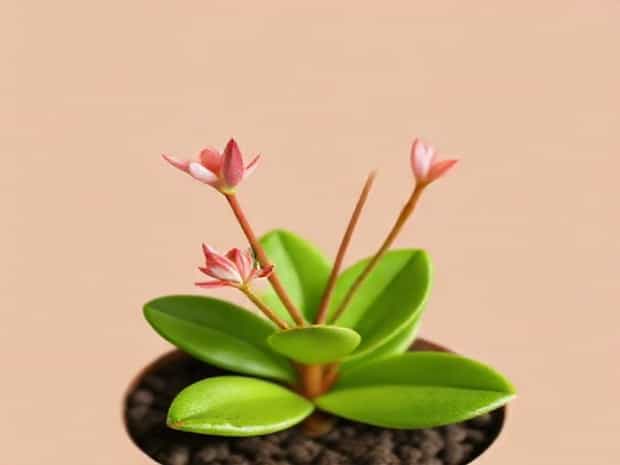
Kalanchoe Propagation From Leaf
Propagating kalanchoe from a single leaf is a fascinating and rewarding method for gardeners looking to expand their collection of these vibrant, succulent plants. Unlike many other houseplants that require seeds or cuttings from stems, kalanchoe has a unique ability to produce new plants directly from its leaves. This makes it an accessible option for beginners and a fun experiment for experienced horticulturists. Understanding the process thoroughly can ensure success and help cultivate healthy, flourishing plants that brighten any indoor or outdoor space.
Understanding Kalanchoe Propagation
Kalanchoe propagation from leaf involves creating new plants using individual leaves rather than seeds or stem cuttings. This method capitalizes on the plant’s natural ability to form small plantlets along the edges of its leaves, a trait particularly common in species like Kalanchoe daigremontiana and Kalanchoe pinnata. Each leaf has the potential to give rise to multiple new plants, making it an efficient and sustainable way to multiply your kalanchoe collection.
Choosing the Right Leaf
The first step in successful leaf propagation is selecting a healthy leaf. Look for leaves that are mature, firm, and free from disease or damage. Avoid leaves that show signs of yellowing, wilting, or insect infestation. A healthy leaf will provide the nutrients and energy necessary for developing new roots and shoots, increasing the likelihood of successful propagation.
Preparing the Leaf for Planting
Once a suitable leaf is chosen, it’s important to prepare it carefully before planting. Gently remove the leaf from the plant using a clean, sharp knife or scissors, making sure to include a small portion of the stem if possible. Allow the leaf to dry for a day or two in a shaded area. This step, known as callusing, helps prevent rot when the leaf is planted in soil.
Planting and Care
Choosing the Right Soil
Kalanchoe prefers well-draining soil to prevent waterlogged conditions that can lead to rot. A mix designed for succulents or cacti works well, typically containing sand, perlite, or small stones to improve drainage. Fill a small pot or tray with the prepared soil, leaving space for the leaf to rest on top without being buried.
Planting the Leaf
Place the callused leaf on the soil surface, cut side down. Do not press it too deeply into the soil, as this can inhibit root formation. Lightly mist the soil to provide moisture without making it soggy. The leaf will gradually start producing tiny roots and plantlets, usually within a few weeks, depending on environmental conditions such as temperature, light, and humidity.
Providing Proper Light and Temperature
Position the leaf in a bright area with indirect sunlight. Direct sunlight can scorch the delicate leaf and slow down the propagation process. Ideal temperatures for kalanchoe propagation range from 65°F to 75°F (18°C to 24°C). Maintaining consistent warmth and avoiding drafts will promote steady growth and healthier plantlets.
Watering and Maintenance
One of the most important aspects of successful leaf propagation is careful watering. Overwatering can cause the leaf to rot, while under-watering may slow down root and plantlet development. Lightly mist the soil when it feels dry to the touch, maintaining a balance between moisture and dryness. Once roots are established and new plantlets appear, you can gradually increase watering frequency, mimicking the care given to adult kalanchoe plants.
Monitoring Growth
Keep an eye on the leaf and developing plantlets. Healthy propagation will result in tiny roots extending into the soil and small plantlets forming along the edges or base of the leaf. If you notice mold, excessive dryness, or rot, adjust watering, humidity, or soil conditions accordingly. Patience is key, as leaf propagation can take several weeks to produce noticeable growth.
Transplanting New Plants
Once the plantlets have developed a sufficient root system, they can be carefully separated from the original leaf and transplanted into individual pots. Choose small pots with well-draining soil to accommodate the young plants. Continue to provide indirect sunlight, moderate warmth, and gentle watering. Over time, these new plants will grow into full-sized kalanchoe, ready to bloom and enhance your garden or indoor space.
Advantages of Leaf Propagation
- Cost-effective Produces multiple new plants from a single leaf without needing seeds or mature cuttings.
- Accessible Requires minimal equipment and expertise, making it suitable for beginners.
- Sustainable Encourages the natural reproduction of kalanchoe, reducing the need for commercial purchases.
- Fun and educational Offers a hands-on way to learn about plant growth and development.
Common Challenges and Solutions
While leaf propagation is rewarding, it comes with potential challenges. One common issue is leaf rot caused by excess moisture. To avoid this, allow the leaf to callus before planting and maintain well-draining soil. Another challenge is slow growth, often due to insufficient light or inconsistent temperature. Ensuring the leaf receives indirect sunlight and stable warmth will encourage healthy development. Finally, pests such as aphids or mealybugs can affect new plantlets, so regular inspection and gentle removal of pests are recommended.
Tips for Successful Propagation
- Use a clean cutting tool to prevent infection.
- Allow the leaf to callus for at least 24 hours before planting.
- Place the leaf in bright, indirect sunlight to stimulate growth.
- Maintain consistent moisture without overwatering.
- Be patient; propagation may take several weeks to show results.
Propagating kalanchoe from a leaf is a simple yet fascinating process that allows plant enthusiasts to multiply their collection efficiently. By carefully selecting a healthy leaf, preparing it properly, and providing the right soil, light, and water conditions, anyone can enjoy watching new plantlets grow and thrive. This method not only conserves resources but also deepens one’s understanding of plant biology and the unique reproductive capabilities of succulents. With patience and attention, leaf propagation can transform a single kalanchoe leaf into a thriving garden of beautiful, resilient plants.