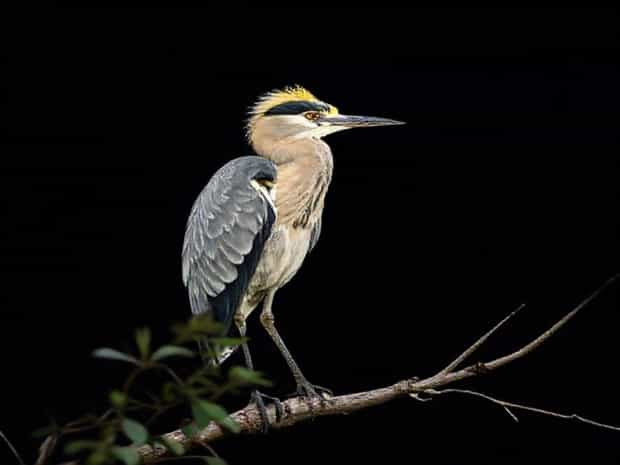
Juvenile Yellow Crowned Night Heron
The juvenile yellow-crowned night heron is a fascinating bird that often captures the attention of birdwatchers and ornithologists alike. Unlike the striking adults, juvenile yellow-crowned night herons display a more subdued, mottled plumage that helps them blend into their surroundings, offering protection from predators. These young birds are primarily found in coastal habitats, wetlands, and forested areas near water sources where they learn the essential skills of foraging and survival. Observing juveniles provides valuable insight into the early stages of life and behavior of this remarkable species, highlighting how they develop the distinctive traits of adult yellow-crowned night herons.
Identification of Juvenile Yellow-Crowned Night Herons
Juvenile yellow-crowned night herons differ significantly from adults in appearance. While adult herons are known for their striking black-and-white facial patterns and bright yellow crown, juveniles exhibit a brownish, streaked plumage. Their bodies are marked with spots and streaks of buff, brown, and white, providing effective camouflage. Juvenile birds also have darker legs compared to the pale yellow legs of adults, and their eyes are typically a dull orange or brown rather than the bright red of mature individuals. Recognizing these features is crucial for birdwatchers and researchers conducting population surveys and monitoring juvenile survival rates.
Behavior and Feeding Habits
Juvenile yellow-crowned night herons display a range of behaviors that help them adapt to their environment. They are primarily nocturnal or crepuscular, becoming most active during dawn and dusk. Their diet consists mainly of crustaceans, particularly crabs, along with insects, small fish, and other aquatic organisms. Young herons develop their hunting skills gradually, practicing stalking and striking at prey under the guidance of adult birds. Feeding behavior in juveniles is a key aspect of their learning process, influencing survival and growth. Juveniles often forage in shallow waters, mudflats, and along the edges of streams or ponds, carefully observing the actions of adults.
Habitat and Distribution
Juvenile yellow-crowned night herons inhabit areas that provide both protection and access to food. They are commonly found in wetlands, mangroves, estuaries, and tidal flats where crustaceans are abundant. Coastal forests and wooded swamps also offer nesting sites and roosting spots. In North America, these birds are distributed along the eastern United States, the Gulf Coast, and parts of Central and South America. Habitat selection for juveniles is often influenced by the presence of adults and availability of safe feeding grounds. Juveniles may remain in these habitats for several months, gradually gaining independence and developing the skills necessary for adult life.
Development and Molt
The transition from juvenile to adult yellow-crowned night heron involves several stages of development and molt. During their first year, juveniles gradually acquire the distinctive yellow crown, black-and-white facial markings, and gray body plumage characteristic of adults. This process can take 1-2 years, depending on environmental conditions and individual health. Juvenile plumage provides camouflage and protection, while molting ensures the bird gradually gains adult traits without compromising survival. Observing molt patterns helps researchers understand age structure within populations and track individual growth and maturation.
Reproduction and Family Structure
Juveniles are dependent on their parents for food and protection during the first weeks of life. Yellow-crowned night herons typically nest in colonies, with adults building stick nests in trees or shrubs near water. Juveniles remain in or near the nest until they are capable of independent foraging. Family structure plays a significant role in the survival of juveniles, as siblings may compete for food while benefiting from parental guidance. The presence of multiple adults in colonies enhances protection against predators and provides learning opportunities for young birds.
Threats and Conservation
Juvenile yellow-crowned night herons face a variety of threats that can affect survival rates. Predation by raccoons, snakes, large birds, and other predators poses a significant risk, particularly when juveniles are still learning to fly and forage. Human activities such as habitat destruction, pollution, and disturbance of nesting colonies also impact juveniles. Conservation efforts focus on protecting wetland habitats, maintaining nesting sites, and reducing human interference. Monitoring juvenile populations is crucial for assessing the health of yellow-crowned night heron populations and ensuring long-term species survival.
Observation Tips for Birdwatchers
Birdwatchers interested in juvenile yellow-crowned night herons should focus on wetland areas during the early morning or late evening when these birds are most active. Using binoculars or spotting scopes can help observe feeding behavior and plumage details without disturbing the birds. Photographs and field notes can document juvenile characteristics, feeding techniques, and habitat preferences, contributing to citizen science projects and research studies. Patience and quiet observation are key, as juveniles are often cautious and easily hidden among vegetation.
Ecological Importance
Juvenile yellow-crowned night herons play an important role in their ecosystems. By feeding on crustaceans, insects, and small aquatic organisms, they help regulate prey populations and contribute to nutrient cycling in wetland environments. As they grow, they become integral parts of the food web, supporting predators and influencing ecological balance. Studying juveniles provides insight into the dynamics of wetland ecosystems and highlights the importance of conserving habitats for both young and adult birds.
The juvenile yellow-crowned night heron represents a critical stage in the life cycle of this striking species. From their camouflaged plumage and nocturnal habits to their gradual development into adults, juveniles provide valuable opportunities to study bird behavior, ecology, and adaptation. Understanding their identification, feeding habits, habitat needs, and threats enhances conservation efforts and enriches knowledge of wetland ecosystems. Observing juvenile yellow-crowned night herons reminds us of the intricate balance between survival, growth, and environmental interactions that shape the life of these remarkable birds.
- Juvenile yellow-crowned night herons have mottled brown, buff, and white plumage, differing from adults.
- They primarily feed on crustaceans, insects, and small aquatic animals, learning hunting skills from adults.
- Habitats include wetlands, mangroves, tidal flats, and coastal forests with access to food and shelter.
- Molting gradually transitions juveniles to adult plumage with distinctive yellow crowns and facial markings.
- Juveniles are dependent on parental care in early life but gradually develop independence.
- Predation, habitat loss, and human disturbance are significant threats to juvenile survival.
- Observation of juveniles provides insights into ecology, behavior, and conservation of yellow-crowned night herons.