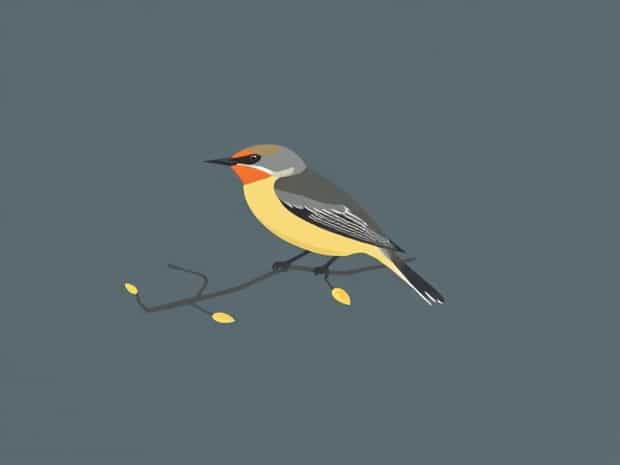
Juvenile Cedar Waxwing Image
The juvenile Cedar Waxwing is a striking bird that captures the attention of birdwatchers and nature enthusiasts alike. Known for its sleek plumage, distinctive markings, and social behavior, this species offers a fascinating glimpse into the life of young birds learning to navigate the world. Juvenile Cedar Waxwings differ in appearance from adults, showcasing softer tones and subtle color variations that gradually transform as they mature. Observing these birds in their natural habitat provides insight into their feeding habits, migration patterns, and social dynamics, making them a popular subject for photography and wildlife studies.
Identification of Juvenile Cedar Waxwing
Juvenile Cedar Waxwings have unique characteristics that set them apart from adult birds. While adult Cedar Waxwings are known for their smooth brown and gray plumage with bright yellow tips on their tail feathers and a striking black mask across their eyes, juveniles display a more muted palette. Their feathers are generally browner and softer, with pale underparts and faint streaking on the chest and belly. These subtle differences help ornithologists and birdwatchers identify young birds during their first year.
Physical Characteristics
- PlumageJuveniles have soft brown feathers with some gray, and their tail tips may lack the bright yellow coloring seen in adults.
- Head and MaskThe black mask is present but less pronounced in juveniles, giving them a gentler facial appearance.
- Wing TipsJuvenile wing tips are often pale and may not yet show the characteristic red wax-like tips.
- Body ShapeSlim, streamlined bodies typical of the species, aiding in agile flight and social flocking behavior.
Behavior and Social Habits
Juvenile Cedar Waxwings are highly social birds that often travel in flocks. This behavior helps them learn essential survival skills from older birds, including foraging techniques, predator awareness, and navigation during migration. Juveniles are often seen perched in groups, grooming one another, or engaging in playful aerial maneuvers. Their sociable nature makes them relatively easy to observe, offering excellent opportunities for photography and study.
Feeding Habits
The diet of juvenile Cedar Waxwings is primarily composed of fruits and berries, similar to adults, though they may also consume insects for additional protein during growth. Young birds are often guided by adults to optimal feeding spots, learning which fruits are safe and how to access them. Common food sources include juniper berries, serviceberries, and small fruits found in gardens and wooded areas. Observing juveniles feeding in flocks provides valuable insight into their learning process and the role of social behavior in survival.
Flight and Migration
Juvenile Cedar Waxwings begin to practice flight skills shortly after fledging. Their movements may be less coordinated than adults, but they quickly gain strength and precision. Migration is a critical stage in their development, as juveniles learn the long-distance routes that adult birds follow seasonally. This experience is essential for survival and successful integration into adult populations, and it is often captured by wildlife photographers documenting their growth and transformation.
Photography Tips for Capturing Juvenile Cedar Waxwings
Photographing juvenile Cedar Waxwings requires patience and understanding of their behavior. Capturing these birds in natural light and within their habitat allows for authentic and striking images. Bird photographers often focus on flocks during feeding or resting periods, where juveniles are more visible and approachable.
Recommended Techniques
- Use a telephoto lens to capture close-up details without disturbing the birds.
- Focus on natural habitats such as berry-laden trees and shrubs to highlight their feeding behavior.
- Observe flock dynamics to identify juveniles among adults based on plumage and size.
- Take advantage of early morning or late afternoon light for softer, warmer images.
- Be patient and maintain a safe distance to avoid scaring the birds.
Habitat and Distribution
Juvenile Cedar Waxwings are found across North America, inhabiting areas where fruiting trees and shrubs are abundant. They thrive in woodlands, orchards, suburban gardens, and parks. These habitats provide ample food sources and safe roosting sites for growing birds. The distribution of juveniles mirrors that of adult populations, with seasonal migration bringing them to southern regions during colder months. Understanding their preferred habitats is essential for birdwatchers and photographers seeking to observe and document these young birds.
Seasonal Movements
During the breeding season, juvenile Cedar Waxwings are typically found in northern and central parts of their range. After fledging, they accompany adult flocks as they migrate southward for the winter. This migration allows juveniles to experience diverse environments, build flight endurance, and establish social bonds that will help them thrive as adults. Observing these movements provides insight into the species’ life cycle and adaptation strategies.
Conservation and Observation
Cedar Waxwings, including juveniles, are not currently considered endangered. However, conservation of their habitats is crucial for maintaining healthy populations. Protecting berry-producing trees, maintaining green spaces, and avoiding the use of pesticides contribute to a safe and sustainable environment for these birds. Observers and photographers are encouraged to respect wildlife guidelines, ensuring minimal disturbance while capturing images of juveniles in their natural surroundings.
Tips for Ethical Observation
- Maintain a respectful distance from nests and roosting sites.
- Avoid using flash or loud noises that could stress the birds.
- Document behavior and plumage without interfering with feeding or social interactions.
- Support local conservation initiatives that protect habitats and food sources.
- Share observations with birdwatching communities to contribute to citizen science data.
Juvenile Cedar Waxwings are fascinating birds that offer a unique window into the early stages of avian life. Their subtle plumage, social behaviors, and rapid development make them an interesting subject for study and photography. By understanding their identification, feeding habits, migration patterns, and habitat preferences, bird enthusiasts can appreciate these young birds while contributing to their conservation. Capturing images of juvenile Cedar Waxwings not only provides aesthetic satisfaction but also helps document the growth and adaptation of a species integral to North American ecosystems.