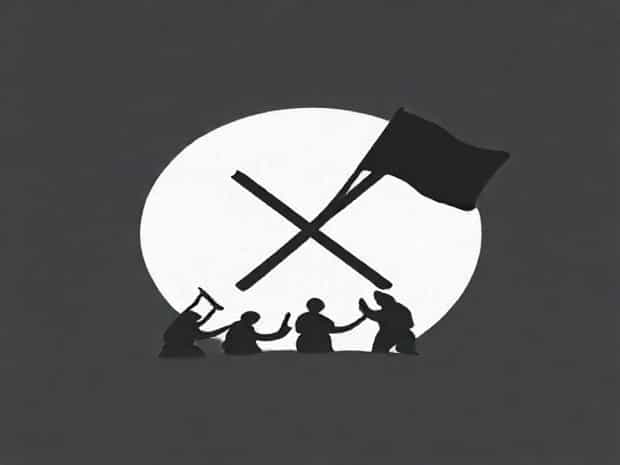
Just War Theory Thomas Aquinas
The concept of a just war has been a subject of philosophical, ethical, and theological discussion for centuries, and Thomas Aquinas remains one of the most influential figures in shaping its principles. Aquinas’ exploration of just war theory is rooted in his broader moral philosophy and Christian theology, providing a framework for evaluating when it is morally permissible to engage in armed conflict. His ideas have profoundly influenced both medieval and modern thought on war, justice, and the ethical responsibilities of rulers and combatants. By examining Aquinas’ principles, we can better understand how moral reasoning can guide decisions in times of conflict and maintain a balance between justice, human rights, and societal stability.
Historical Context of Just War Theory
Just war theory emerged in the context of a world where warfare was common, and moral philosophers sought ways to regulate violence ethically. The early roots of the theory can be traced to classical thinkers such as Cicero and Augustine, but it was Thomas Aquinas who systematically integrated the concept into Christian moral theology. Writing in the 13th century, Aquinas was influenced by the political and religious realities of his time, including the Crusades, the role of monarchs, and the growing influence of the Catholic Church. His work provides a moral framework for rulers and soldiers to determine whether going to war is justified and how war should be conducted ethically.
Thomas Aquinas and the Philosophical Foundations
Thomas Aquinas, a Dominican friar and theologian, grounded his just war theory in natural law, which asserts that moral principles are accessible through reason and reflect God’s divine order. According to Aquinas, humans have an inherent inclination to preserve peace, seek justice, and protect society. War, while generally undesirable, may be morally permissible when it is undertaken to restore peace, protect the innocent, or punish wrongdoing. Aquinas emphasized that the morality of war must be assessed not only by its purpose but also by the intentions of those who wage it and the means used in its conduct.
Key Principles of Aquinas’ Just War Theory
Thomas Aquinas outlined several core principles that remain central to just war theory. These principles address both the conditions under which war may be justified and the ethical constraints on the conduct of war.
- Legitimate AuthorityAquinas argued that only duly recognized sovereigns or rulers have the authority to declare war. Private individuals or groups cannot ethically take up arms, as this would undermine social order and justice.
- Just CauseWar must be waged for reasons that are morally defensible. This includes defending against aggression, protecting innocent lives, or punishing serious wrongdoing. Wars fought for conquest, revenge, or personal gain are considered unjust.
- Right IntentionThe intention behind war must align with the just cause. Even a war with a legitimate cause may become unjust if motivated by malice, greed, or excessive desire for power.
- ProportionalityThe benefits of war must outweigh the harm caused. Aquinas emphasized that the violence used should be proportionate to the goals pursued, avoiding unnecessary destruction or suffering.
- Last ResortWar should only be undertaken after all peaceful alternatives have been exhausted. Negotiation, diplomacy, and other nonviolent measures must be attempted before resorting to armed conflict.
Application to Contemporary Conflicts
Aquinas’ principles continue to influence modern discussions of international law and ethics, including the development of the Geneva Conventions and the United Nations Charter. The concepts of legitimate authority and just cause inform debates about state sovereignty and humanitarian intervention. Proportionality and right intention guide military planning, aiming to minimize civilian casualties and ensure that force is applied ethically. While technology and the scale of modern warfare present new challenges, Aquinas’ framework remains a touchstone for evaluating the morality of contemporary conflicts.
Ethical Implications of Aquinas’ Theory
Just war theory under Aquinas does not merely regulate the initiation of war but also influences the behavior of combatants. Ethical considerations include how soldiers treat non-combatants, prisoners, and the environment. Aquinas stressed that acts of cruelty or deliberate targeting of the innocent are morally impermissible. The moral responsibility of leaders and commanders is also central, as they must ensure that military actions align with ethical principles and the broader goal of justice. By embedding ethical reflection into the strategy and conduct of war, Aquinas sought to reconcile the harsh realities of conflict with the demands of moral integrity.
Critiques and Limitations
Despite its enduring influence, Aquinas’ just war theory has faced critiques. Some argue that the theory can be interpreted subjectively, allowing powerful states to justify aggression under the guise of just cause. Others note that the complexity of modern warfare, including asymmetric conflicts and non-state actors, complicates the application of traditional principles. Additionally, the assumption of legitimate authority may be problematic in cases of contested governments or authoritarian regimes. Nevertheless, these critiques often lead to refined discussions about ethical responsibility and the evolving nature of war rather than a wholesale rejection of Aquinas’ framework.
Integration with International Law
Aquinas’ just war theory has influenced the codification of international humanitarian law, which governs the conduct of armed conflict. Principles such as proportionality, discrimination between combatants and non-combatants, and the pursuit of legitimate objectives are reflected in legal frameworks that aim to limit the human suffering caused by war. By bridging moral philosophy with practical legal standards, Aquinas’ work contributes to a normative foundation for evaluating both historical and contemporary conflicts, ensuring that ethical considerations remain central in the application of military force.
Relevance to Modern Military Ethics
In modern military ethics, Aquinas’ ideas continue to shape training, strategic planning, and accountability mechanisms. Officers are educated about the moral dimensions of warfare, emphasizing that ethical considerations are not optional but integral to professional conduct. Discussions about drone strikes, cyber warfare, and peacekeeping missions often invoke principles derived from just war theory to assess legitimacy, proportionality, and humanitarian impact. This enduring relevance demonstrates the adaptability of Aquinas’ thought to new contexts while maintaining core moral imperatives.
Thomas Aquinas’ just war theory remains a foundational framework for understanding the ethical dimensions of armed conflict. By emphasizing legitimate authority, just cause, right intention, proportionality, and the necessity of last resort, Aquinas provides a structured approach to evaluating when and how war can be morally justified. His integration of natural law, theology, and ethical reasoning continues to influence contemporary discussions in philosophy, international law, and military ethics. While challenges exist in applying these principles to modern conflicts, the theory’s core emphasis on justice, morality, and human dignity ensures its continued relevance. Aquinas’ insights encourage both leaders and citizens to reflect critically on the moral responsibilities inherent in war, fostering a dialogue that balances the harsh realities of conflict with enduring ethical standards.