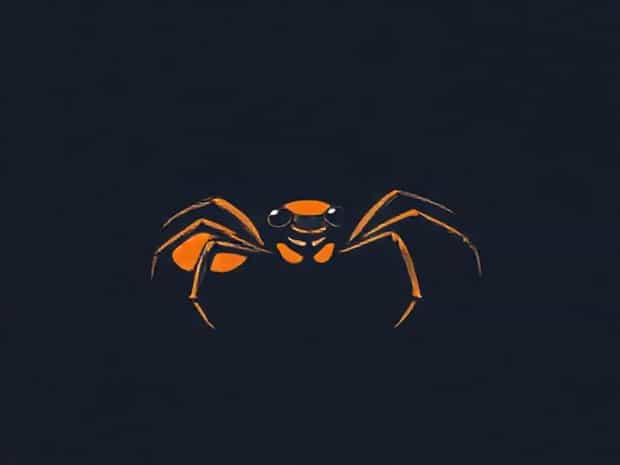
Jumping Spider With Orange Abdomen
Jumping spiders are fascinating creatures known for their exceptional vision, agile movements, and intricate behaviors. Among these diverse arachnids, certain species stand out due to their striking coloration, including those with orange abdomens. The vibrant orange coloration is not only visually appealing but also plays roles in communication, mating, and camouflage. Jumping spiders with orange abdomens are typically small, active hunters that do not rely on webs to capture prey, instead using their remarkable jumping ability to ambush insects. Studying these spiders provides insights into arachnid behavior, evolution, and ecological importance.
Physical Characteristics of Jumping Spiders with Orange Abdomens
Jumping spiders with orange abdomens exhibit unique physical features that distinguish them from other spiders. Their compact body, strong legs, and large forward-facing eyes give them an appearance well-suited for active hunting. The orange coloration on the abdomen can vary in intensity and pattern, sometimes featuring additional markings or gradients. This coloration can serve multiple functions, including signaling to potential mates or warning predators of the spider’s agility and potential unpalatability. The cephalothorax is often darker, providing contrast with the bright orange abdomen.
Key Features
- Bright orange abdomen, sometimes with black or white patterns.
- Large anterior median eyes providing excellent vision.
- Compact, muscular body adapted for jumping.
- Short, powerful legs with specialized hairs for gripping surfaces.
Behavior and Hunting Techniques
Jumping spiders are diurnal predators that rely on their keen eyesight and agility to hunt. Unlike web-building spiders, they actively stalk and pounce on their prey, which mainly includes insects and other small arthropods. The orange-abdomen species use their color to blend into certain environments, such as flowers or foliage, allowing them to approach prey without being detected. They demonstrate remarkable precision in their jumps, using silk threads as safety lines during leaps. Hunting strategies are often accompanied by visual displays or vibrations to communicate with potential mates or rivals.
Hunting Strategies
- Stalking prey with careful observation and positioning.
- Pouncing on prey using powerful hind legs.
- Using silk draglines for safety during jumps.
- Camouflaging against flowers or vegetation with orange coloration.
Reproduction and Mating Displays
Reproduction in jumping spiders involves complex courtship behaviors, and the orange abdomen often plays a role in mating displays. Males frequently perform elaborate dances, waving their front legs and showing their bright abdomens to attract females. These visual signals are crucial for species recognition and mating success. Female jumping spiders evaluate the displays and may choose mates based on the intensity or pattern of the coloration. After mating, females lay eggs in silken sacs, often hidden in safe locations such as leaf litter or crevices.
Mating Behavior
- Visual courtship displays featuring abdomen movements and leg waving.
- Use of coloration to signal fitness and species identity.
- Females selecting mates based on visual cues and courtship performance.
- Egg-laying in silk sacs to protect offspring from predators.
Habitat and Distribution
Jumping spiders with orange abdomens are typically found in diverse habitats, including forests, grasslands, gardens, and even urban areas. Their coloration often helps them blend into environments with bright flowers, autumn foliage, or sunlit surfaces. They are widely distributed across various continents, with species-specific ranges influenced by climate, vegetation, and prey availability. These spiders are highly adaptable, capable of thriving in areas where other predators might struggle, and contribute significantly to controlling insect populations in their habitats.
Preferred Environments
- Flower-rich areas for hunting and camouflage.
- Leaf litter and shrubs for hiding and nesting.
- Urban gardens and parks with abundant insects.
- Sunlit areas that enhance visual hunting abilities.
Ecological Importance
Jumping spiders with orange abdomens play a critical role in ecosystems as natural pest controllers. By preying on insects, they help maintain the balance of arthropod populations, reducing the need for chemical pesticides in gardens and agricultural areas. Their presence also supports biodiversity by providing food for larger predators, including birds and lizards. Furthermore, their complex behaviors and interactions contribute to the overall health of ecosystems, making them valuable indicators of environmental quality and habitat health.
Ecological Roles
- Predation on insects helps control pest populations.
- Serving as prey for birds, reptiles, and larger arthropods.
- Indicator species for environmental monitoring.
- Supporting pollination indirectly by controlling herbivorous insects.
Adaptations and Survival Strategies
Jumping spiders with orange abdomens have evolved several adaptations to survive and thrive in their environments. Their excellent vision allows them to detect prey and predators from a distance. The orange coloration can function as camouflage or a warning signal. Strong, agile legs enable precise jumps, while silk draglines prevent fatal falls. Some species also exhibit behavioral adaptations, such as hiding during extreme temperatures or being active during specific times of the day to maximize hunting success. These adaptations collectively enhance their survival and reproductive success.
Key Adaptations
- Highly developed anterior eyes for acute vision.
- Powerful hind legs for jumping and ambushing prey.
- Camouflage and coloration for predator avoidance and hunting efficiency.
- Silk draglines to prevent falls and provide stability during movement.
Human Interaction and Observation
Jumping spiders with orange abdomens are often admired by arachnologists, photographers, and nature enthusiasts for their beauty and dynamic behavior. They are generally harmless to humans and can even be beneficial in gardens by controlling insect populations. Observing these spiders offers opportunities to study complex behaviors, mating rituals, and predation strategies. Additionally, their vibrant colors and movements make them ideal subjects for educational programs and wildlife photography, fostering appreciation for biodiversity and the ecological roles of small predators.
Tips for Observing Jumping Spiders
- Look for them on flowers, shrubs, and sunlit surfaces.
- Observe from a safe distance to avoid disturbing them.
- Note their hunting behavior and courtship displays.
- Document patterns of orange coloration for species identification.
Jumping spiders with orange abdomens are captivating arachnids that combine vivid coloration with exceptional hunting skills. Their orange abdomen serves multiple functions, including camouflage, communication, and mating displays. These spiders play a vital role in ecosystems by controlling insect populations and supporting biodiversity. Their unique adaptations, behaviors, and interactions make them a valuable subject for scientific study and nature observation. By understanding and appreciating these remarkable creatures, humans can foster greater awareness of arachnid diversity and the ecological importance of small predators in maintaining healthy environments.