Juicer Cold Press Vs Centrifugal
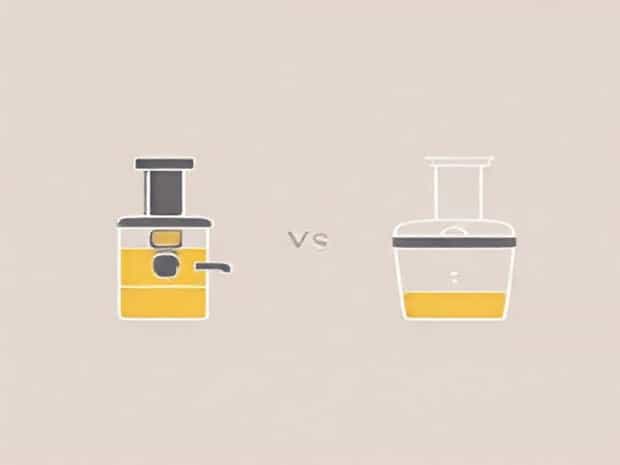
Choosing the right juicer can be a challenging decision for anyone looking to enjoy fresh, homemade juices. Two of the most popular types of juicers on the market today are cold press juicers and centrifugal juicers. Both have their advantages and disadvantages, and understanding how they work, their impact on nutrient retention, and their ease of use is essential for making an informed choice. Many people who are serious about healthy living often find themselves debating whether a cold press or centrifugal juicer is the best option for their daily juice routine, as each type caters to different preferences and lifestyles.
Understanding Cold Press Juicers
Cold press juicers, also known as masticating juicers, operate by slowly crushing and pressing fruits and vegetables to extract juice. This method generates minimal heat, which helps preserve the nutrients, enzymes, and flavor of the produce. The slow extraction process typically involves an auger that grinds the ingredients and presses them to separate the juice from the pulp.
Advantages of Cold Press Juicers
- Higher Nutrient RetentionBecause cold press juicers generate little heat, they retain more vitamins, minerals, and antioxidants compared to high-speed juicers.
- Better Juice QualityThe juice from a cold press juicer often has a richer flavor and smoother texture, with minimal foam or separation.
- Longer Shelf LifeCold-pressed juice can typically be stored in the refrigerator for 24 to 72 hours without significant nutrient loss.
- VersatilityThese juicers can handle leafy greens, wheatgrass, and even nuts to make nut milks, which centrifugal juicers may struggle with.
Disadvantages of Cold Press Juicers
- Slower ProcessCold press juicers take more time to extract juice, which can be a drawback for those seeking quick results.
- Higher CostThey are generally more expensive than centrifugal juicers, both in initial purchase price and maintenance.
- CleaningThe more complex parts can require extra effort to clean, which may deter some users.
Understanding Centrifugal Juicers
Centrifugal juicers operate at high speeds, using a spinning blade to shred fruits and vegetables and a strainer basket to separate the juice from the pulp. This method is fast and convenient, making centrifugal juicers popular among people who want quick results with minimal effort. They work well with hard fruits and vegetables such as apples, carrots, and cucumbers, producing juice in seconds.
Advantages of Centrifugal Juicers
- SpeedCentrifugal juicers extract juice much faster than cold press juicers, which is ideal for busy mornings.
- Lower Initial CostThey are generally more affordable and accessible for first-time juicers.
- Ease of UseSimple assembly and operation make centrifugal juicers convenient for everyday use.
- Compact DesignThese juicers often have a smaller footprint, making them suitable for kitchens with limited counter space.
Disadvantages of Centrifugal Juicers
- Nutrient LossThe high-speed spinning generates heat and exposes the juice to more oxygen, which can reduce nutrient content and enzyme activity.
- Foamy JuiceJuice may separate quickly and contain more foam, which can affect taste and texture.
- Limited VersatilityCentrifugal juicers struggle with leafy greens, soft fruits, and nuts, limiting the variety of juices that can be made.
Comparison Between Cold Press and Centrifugal Juicers
When deciding between cold press and centrifugal juicers, it is important to consider your priorities, including juice quality, speed, cost, and the types of produce you plan to juice regularly. Here are some key points of comparison
Nutrient Content
Cold press juicers retain more nutrients and enzymes because the slow extraction process generates minimal heat. Centrifugal juicers, while convenient, may lead to some nutrient loss due to heat and oxidation. If your primary goal is maximum nutrition, a cold press juicer is generally the better choice.
Juice Quality and Taste
Cold press juice is smoother, richer, and less frothy than juice from a centrifugal juicer. The flavor tends to be more concentrated and natural. Centrifugal juicers may produce juice that separates quickly and has a slightly watery consistency.
Speed and Convenience
Centrifugal juicers are much faster, making them suitable for busy lifestyles. Cold press juicers take more time, which may be inconvenient for those who want a quick glass of juice in the morning. However, many users find the superior quality of cold-pressed juice worth the extra effort.
Cost and Maintenance
Cold press juicers tend to be more expensive, but they offer versatility and better juice quality. Centrifugal juicers are more budget-friendly and easier to maintain, with fewer parts to clean. Your choice may depend on whether you value convenience over nutritional benefits.
Which Juicer is Right for You?
The choice between a cold press juicer and a centrifugal juicer depends on your lifestyle and health priorities. If you want nutrient-dense, high-quality juice and don’t mind a slower process, a cold press juicer is an excellent investment. It is particularly useful for juicing leafy greens, wheatgrass, and other fibrous ingredients.
On the other hand, if speed, affordability, and convenience are more important, a centrifugal juicer may be the better option. It allows for quick preparation of common fruits and vegetables, making it ideal for people with busy schedules or those just starting their juicing journey.
Practical Tips for Using Either Juicer
- Always wash fruits and vegetables thoroughly to ensure clean juice.
- Cut ingredients into manageable pieces to prevent clogging or damage to the juicer.
- Clean the juicer immediately after use to maintain hygiene and performance.
- Experiment with combinations of produce to find flavors and textures you enjoy.
Both cold press and centrifugal juicers have their unique benefits and drawbacks, making them suitable for different types of users. Cold press juicers excel in nutrient retention, juice quality, and versatility, while centrifugal juicers shine in speed, convenience, and affordability. Understanding your priorities and juicing habits can help you make an informed decision, ensuring that your investment in a juicer aligns with your lifestyle and health goals. Whether you prioritize nutrition, taste, or convenience, there is a juicer that will meet your needs and allow you to enjoy fresh, homemade juice every day.