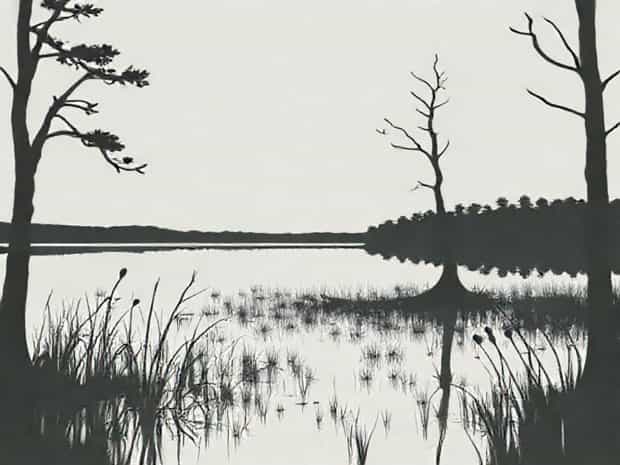
Jug Bay Wetland Sanctuary
Jug Bay Wetland Sanctuary is a remarkable natural area located along the Patuxent River in Maryland, known for its rich biodiversity, serene landscapes, and educational opportunities. Spanning over 1,600 acres of tidal freshwater wetlands, forested uplands, and meandering streams, this sanctuary serves as a haven for wildlife and a vital ecological resource. The sanctuary provides a unique glimpse into the intricate balance of wetland ecosystems, where water, plants, and animals interact to sustain life. For birdwatchers, hikers, students, and nature enthusiasts, Jug Bay offers an immersive experience that combines recreation, research, and conservation. Understanding the sanctuary’s ecological significance, habitat diversity, and visitor opportunities is essential to appreciating its value and ensuring its preservation.
Location and Accessibility
Jug Bay Wetland Sanctuary is situated in southern Maryland, along the tidal Patuxent River, a tributary of the Chesapeake Bay. Its strategic location provides access to both freshwater and brackish habitats, creating a unique environment that supports a wide range of plant and animal species. The sanctuary is accessible by car and offers several trails, boardwalks, and observation points for visitors to explore. Its proximity to major urban areas makes it an important site for environmental education and public engagement. Parking areas, visitor centers, and clearly marked paths ensure that people of all ages can safely enjoy the natural beauty of the sanctuary.
Habitats and Ecosystems
The Jug Bay Wetland Sanctuary encompasses diverse habitats that sustain a wide array of species. Key ecosystems include
- Tidal Freshwater MarshesThese wetlands are influenced by tidal fluctuations but remain primarily freshwater, providing critical breeding and feeding grounds for fish, amphibians, and invertebrates.
- Forested UplandsHardwood and mixed forests adjacent to the wetlands provide shelter for deer, foxes, and a variety of bird species.
- Streams and PondsNumerous streams and shallow ponds support aquatic life, from frogs and turtles to dragonflies and freshwater fish.
- Riparian BuffersVegetated areas along riverbanks help prevent erosion, filter pollutants, and provide habitat for songbirds and small mammals.
The combination of these ecosystems creates a complex and interconnected environment, making Jug Bay an important site for studying ecological interactions and biodiversity.
Wildlife at Jug Bay
Jug Bay Wetland Sanctuary is home to an impressive variety of wildlife. Birdwatchers can observe numerous species, including herons, egrets, ducks, and migratory songbirds. Raptors such as ospreys and hawks are commonly seen hunting along the river and marsh edges. The sanctuary also supports mammals like white-tailed deer, raccoons, and beavers, which contribute to the natural dynamics of the habitats. Amphibians, reptiles, and fish thrive in the marshes and ponds, while insects such as dragonflies and butterflies add to the sanctuary’s vibrant ecosystem. Seasonal changes bring new species and behaviors, making repeated visits rewarding for nature enthusiasts and researchers alike.
Importance of Wetlands
Wetlands like those at Jug Bay play crucial roles in environmental health and human well-being. They act as natural filters, improving water quality by trapping sediments, nutrients, and pollutants before they enter rivers and bays. Wetlands also provide flood protection by absorbing excess water during storms, reducing the impact on nearby communities. Additionally, they serve as breeding and feeding grounds for fish and wildlife, supporting biodiversity and ecological balance. The Jug Bay Wetland Sanctuary exemplifies these benefits, demonstrating the importance of wetland conservation in maintaining healthy ecosystems and mitigating environmental challenges.
Educational and Research Opportunities
Jug Bay Wetland Sanctuary is more than a recreational area; it is a center for environmental education and scientific research. The sanctuary offers programs for students, teachers, and the general public to learn about wetland ecology, conservation practices, and wildlife observation. Educational activities include guided hikes, birdwatching workshops, and hands-on ecological studies, fostering awareness and appreciation for natural habitats. Researchers frequently study water quality, plant communities, and wildlife populations, contributing valuable data to regional conservation efforts. By integrating education and research, Jug Bay serves as a model for community-based environmental stewardship.
Visitor Activities
Visitors to Jug Bay Wetland Sanctuary can enjoy a variety of activities that promote engagement with nature. Popular options include
- HikingTrails and boardwalks provide scenic routes through marshes, forests, and along riverbanks.
- BirdwatchingObservation platforms allow enthusiasts to watch diverse bird species year-round.
- Kayaking and CanoeingThe Patuxent River offers opportunities to explore tidal waters and observe aquatic life.
- PhotographyThe sanctuary’s natural beauty makes it a prime location for landscape and wildlife photography.
- Educational ProgramsWorkshops, guided tours, and seasonal events provide interactive learning experiences for visitors of all ages.
These activities encourage sustainable recreation while promoting awareness of wetland ecosystems and the importance of conservation efforts.
Conservation and Management
Maintaining the ecological integrity of Jug Bay Wetland Sanctuary requires ongoing conservation and management. Efforts include controlling invasive species, restoring native vegetation, monitoring water quality, and protecting wildlife habitats. Volunteer programs and community engagement are essential components of these initiatives, allowing local residents to participate in stewardship activities such as cleanups, tree plantings, and wildlife monitoring. Management strategies are guided by scientific research, ensuring that interventions support long-term sustainability and biodiversity preservation. The sanctuary serves as an example of how public involvement and evidence-based conservation can coexist to protect valuable natural resources.
Challenges Facing the Sanctuary
Despite its protected status, Jug Bay Wetland Sanctuary faces environmental challenges. Urban development, pollution, climate change, and habitat fragmentation can threaten the delicate balance of wetland ecosystems. Rising water levels and changing precipitation patterns may alter habitats, affecting plant and animal communities. Active management and public education are critical to addressing these challenges, emphasizing the need for continued support and awareness to safeguard the sanctuary for future generations.
Jug Bay Wetland Sanctuary is a vital ecological, educational, and recreational resource, offering visitors the chance to experience and learn about wetland ecosystems firsthand. Its diverse habitats, abundant wildlife, and accessible trails make it a valuable destination for birdwatchers, hikers, students, and researchers alike. Conservation and management efforts ensure the protection of its fragile ecosystems, demonstrating the importance of preserving natural habitats in the face of environmental challenges. By visiting, studying, and supporting Jug Bay, individuals contribute to the ongoing effort to maintain healthy wetlands and promote ecological awareness.
Key Takeaways
- Jug Bay Wetland Sanctuary encompasses over 1,600 acres of tidal freshwater wetlands, forests, and streams along the Patuxent River.
- The sanctuary supports diverse wildlife, including birds, mammals, amphibians, and fish, highlighting its ecological importance.
- Wetlands provide critical ecosystem services such as water filtration, flood mitigation, and habitat for wildlife.
- Educational programs and research opportunities allow visitors to learn about wetland ecology and participate in conservation efforts.
- Conservation management focuses on habitat restoration, invasive species control, and community engagement to maintain the sanctuary’s ecological integrity.
- Public awareness and sustainable recreation help ensure the long-term preservation of this valuable natural resource.
By exploring Jug Bay Wetland Sanctuary, visitors gain a deeper understanding of the importance of wetlands, the diversity of species they support, and the role humans play in conserving these critical ecosystems. Its combination of natural beauty, educational opportunities, and ecological significance makes it a unique and indispensable part of Maryland’s natural heritage.