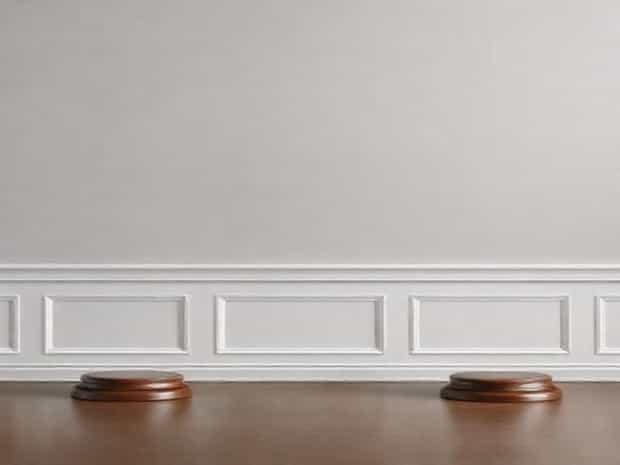
Judges Paneling Vs Wainscoting
Interior design often incorporates various types of wall paneling to enhance the aesthetic appeal of a space while providing functional benefits such as protection and insulation. Among the popular choices are judges paneling and wainscoting. Both options have a rich history and distinctive characteristics, but understanding their differences is crucial for homeowners, designers, and builders seeking to create a specific ambiance. The choice between judges paneling and wainscoting impacts not only the visual style of a room but also its overall feel and design harmony.
Understanding Judges Paneling
Judges paneling is a type of wall covering known for its formal, elegant appearance. It typically consists of flat panels framed with molding, running vertically or horizontally on walls. The style originated from classic judicial and institutional interiors, hence the name judges paneling, and is often associated with sophistication, authority, and timeless design. It can cover a full wall or just a portion, depending on the design intention and room proportions.
Characteristics of Judges Paneling
- Full or Partial Wall CoverageJudges paneling can extend from floor to ceiling, offering a grand and continuous look.
- Framed PanelsEach panel is typically surrounded by molding or trim, adding depth and structure to the wall.
- Material OptionsCommonly made from solid wood, MDF, or engineered wood, allowing for painting or staining to suit interior color schemes.
- Formal AestheticThe style conveys elegance, making it suitable for offices, dining rooms, libraries, and other sophisticated spaces.
Understanding Wainscoting
Wainscoting, on the other hand, is a traditional wall treatment that covers only the lower portion of a wall, usually around one-third of the total height. It serves both decorative and practical purposes, protecting walls from scuffs, furniture contact, and moisture in areas like hallways, bathrooms, and dining rooms. Wainscoting comes in a variety of styles, including raised panel, beadboard, and flat panel, making it highly adaptable to different interior designs.
Characteristics of Wainscoting
- Lower Wall CoverageTypically installed on the lower third of the wall, often capped with a chair rail molding.
- Decorative and ProtectiveAdds texture and visual interest while preventing damage to walls from daily wear and tear.
- Variety of StylesFrom beadboard to raised panels, wainscoting can complement both traditional and contemporary interiors.
- Customizable FinishesCan be painted, stained, or left natural depending on the desired look.
Comparing Judges Paneling and Wainscoting
While judges paneling and wainscoting share similarities as wall treatments, several key differences distinguish them and influence their application in interior design.
Coverage and Placement
Judges paneling is often more extensive, covering entire walls or large sections from floor to ceiling, creating a cohesive and formal appearance. Wainscoting is limited to the lower part of the wall, providing a decorative accent without dominating the entire space. The choice between full coverage and partial coverage affects the perceived scale and style of a room.
Design and Aesthetic
Judges paneling conveys formality and elegance, often used in spaces where a classic, stately look is desired. It is associated with luxury interiors and professional settings such as libraries, studies, and executive offices. Wainscoting, in contrast, can be either formal or casual depending on the style selected. Beadboard wainscoting offers a cottage or coastal feel, while raised panels provide a more traditional and refined look.
Functionality
Both wall treatments offer protection to walls, but wainscoting is particularly practical in high-traffic areas. Its lower wall coverage protects against chair backs, furniture bumps, and general wear, making it ideal for dining rooms, entryways, and children’s spaces. Judges paneling offers less functional protection in high-traffic scenarios unless it extends down to the floor, but its visual impact is stronger for creating a sophisticated interior statement.
Material and Installation
Material choices for both treatments are similar, including solid wood, MDF, and engineered wood, allowing for a variety of finishes and painting options. However, judges paneling often requires more precise craftsmanship due to full-wall coverage and complex molding designs. Wainscoting can be easier to install for DIY projects, especially in the form of beadboard or flat panels.
Design Considerations
When deciding between judges paneling and wainscoting, several factors should guide the choice
Room Size and Height
Full-wall judges paneling can overwhelm smaller rooms, making them feel more confined. In contrast, wainscoting enhances proportion by adding interest without overpowering the space. Taller rooms may benefit from judges paneling, which can accentuate verticality and create a sense of grandeur.
Interior Style
For traditional, formal, or classical interiors, judges paneling is often preferred. Wainscoting, with its variety of styles, offers flexibility for both traditional and modern spaces. Beadboard wainscoting suits casual or coastal designs, while raised panels complement historic or stately homes.
Budget and Installation
Judges paneling typically involves higher costs due to material usage, molding detail, and labor-intensive installation. Wainscoting, covering less wall space, can be more cost-effective and easier to install, especially for DIY enthusiasts. Budget considerations often play a significant role in the final decision.
Styling Tips for Judges Paneling and Wainscoting
Integrating these wall treatments into a cohesive interior design requires thoughtful styling
Pairing with Color and Furniture
- Judges paneling works well with darker, rich colors and traditional furniture for a stately look.
- Wainscoting allows more flexibility with wall colors above the panel, offering opportunities for contrast or complementary shades.
- Consider furniture placement to avoid visual clashes with the panel height, especially for wainscoting.
Accentuating with Trim and Moldings
Both treatments benefit from carefully selected moldings and trim. Chair rails, baseboards, and crown moldings enhance the overall finish and highlight the craftsmanship of judges paneling or wainscoting.
Choosing between judges paneling and wainscoting depends on the desired aesthetic, room function, and budget. Judges paneling offers a formal, full-wall design suited for elegant and professional spaces, while wainscoting provides decorative, functional protection for high-traffic areas with flexible style options. Understanding the differences in coverage, design, functionality, and installation requirements allows homeowners and designers to make informed decisions. By carefully considering these factors, you can enhance the beauty and practicality of any interior while achieving a cohesive, polished look that reflects your personal taste and style preferences.