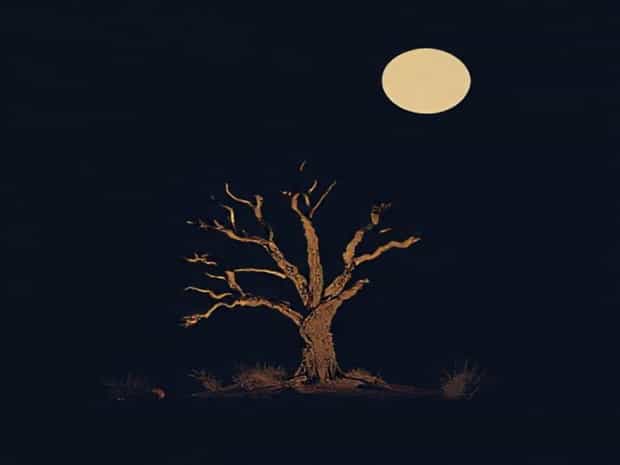
Joshua Tree Moonless Nights
The Joshua Tree National Park is a place of extraordinary natural beauty, and experiencing it on moonless nights offers a completely unique perspective. When the sky is free of the moon’s glow, the desert transforms into an expansive canvas of stars, allowing visitors to witness the universe in its most pristine form. The silhouettes of Joshua trees stand stark against the night sky, their twisted limbs reaching upward as if trying to touch the countless stars above. Moonless nights provide a rare opportunity to see the Milky Way stretch across the heavens, the faint glimmer of distant planets, and the subtle movements of nocturnal wildlife in the shadows. For photographers, astronomers, and nature enthusiasts, these nights reveal an almost otherworldly landscape where the vastness of the cosmos feels intimately connected to the desert below.
Understanding Joshua Tree’s Unique Nightscape
Joshua Tree National Park is located at the intersection of the Mojave and Colorado deserts, creating a remarkable landscape filled with diverse flora and fauna. The park’s elevation and dry desert air contribute to exceptionally clear skies, making it an ideal location for stargazing. On moonless nights, light pollution is minimal, allowing visitors to observe celestial phenomena that are typically obscured in urban areas. The Joshua trees themselves, with their dramatic, spiky forms, add to the surreal experience of night exploration. Their shapes are both eerie and mesmerizing under a blanket of stars, and they create perfect subjects for night photography.
The Science Behind Moonless Nights
Moonless nights occur during the new moon phase when the moon is positioned between the Earth and the Sun. During this phase, the moon does not reflect sunlight toward the Earth, leaving the night sky darker than at any other time. This darkness is crucial for astronomers and stargazers, as it reduces the interference of natural light, making faint stars, meteors, and other celestial objects easier to observe. In Joshua Tree, the clarity of the atmosphere combined with the absence of the moon produces ideal conditions for astrophotography and astronomical observation, allowing visitors to capture the Milky Way in all its splendor or track the movement of planets and satellites across the sky.
Experiencing the Desert at Night
The desert at night, particularly during moonless nights, is a completely different environment from the daytime. Temperatures drop sharply, creating a crisp and refreshing atmosphere that contrasts with the often extreme heat of the desert sun. The sounds of the desert change as well; diurnal animals retreat, while nocturnal creatures such as owls, coyotes, and kangaroo rats become active. This shift offers visitors a chance to hear the unique symphony of the desert at night, from the distant calls of owls to the subtle rustle of desert shrubs moved by small creatures. Walking among the Joshua trees under these conditions evokes a sense of solitude and connection with nature that is difficult to replicate anywhere else.
Wildlife Observations
Moonless nights allow for unique wildlife experiences. Animals that are normally hidden during the day become more visible under the faint starlight. Nocturnal mammals such as bobcats, foxes, and jackrabbits venture out in search of food, and their movements can sometimes be observed from a distance. Many birds, including owls, become active and call out across the desert, contributing to the mysterious and magical ambiance of the night. Even insects like moths and fireflies add subtle life to the darkness, creating fleeting, almost ghostly movements among the shadows of the Joshua trees.
Photography Opportunities
Moonless nights in Joshua Tree provide unparalleled opportunities for night photography. The absence of moonlight allows the stars to appear more vivid, and long-exposure photography can capture the Milky Way arching across the sky above the twisted silhouettes of Joshua trees. Photographers often use this time to create dramatic images that combine the desert landscape with the celestial panorama. Techniques such as stacking multiple exposures or using wide-angle lenses can enhance the depth and detail of these images. Even casual photographers can experience the magic by using basic cameras or smartphones with night mode features to capture the ethereal beauty of the desert night.
Tips for Nighttime Visitors
- Bring Warm ClothingDesert temperatures can drop significantly after sunset, so layering is essential.
- Use Red FlashlightsRed light preserves night vision while allowing for safe navigation among the Joshua trees.
- Plan AheadCheck moon phases and weather forecasts to ensure clear skies during moonless nights.
- Stay on TrailsAvoid venturing too far off marked paths to prevent accidents in the dark.
- Respect WildlifeObserve animals from a distance and avoid disturbing their natural behaviors.
Astronomical Events and Moonless Nights
Moonless nights offer the perfect conditions for observing astronomical events such as meteor showers, planetary alignments, and eclipses. Joshua Tree National Park hosts regular stargazing events where astronomers provide telescopes and expert guidance for visitors. During meteor showers, the absence of moonlight allows shooting stars to be seen more clearly, creating a truly unforgettable experience. Amateur astronomers can track the movement of planets, observe distant galaxies, and even identify constellations that are otherwise faintly visible. These nights allow a rare connection to the universe, fostering both curiosity and awe for visitors of all ages.
Starry Education
Educational programs at Joshua Tree National Park often focus on astronomy, desert ecology, and the importance of preserving dark skies. Moonless nights serve as live classrooms where visitors learn about the science of stars, the life cycles of celestial bodies, and the delicate balance of the desert ecosystem. Understanding the interplay between the desert environment and the night sky deepens appreciation for both natural and astronomical phenomena. These experiences cultivate a sense of stewardship and respect for the natural world, highlighting the importance of conserving both terrestrial and celestial habitats.
Experiencing Joshua Tree National Park on moonless nights is a profound adventure that combines the wonders of the desert with the vastness of the universe. The combination of clear skies, dramatic Joshua tree silhouettes, and minimal light pollution creates a setting that is both humbling and inspiring. Whether you are an avid astronomer, a night photographer, or a nature enthusiast, the magic of moonless nights offers unparalleled opportunities for observation, reflection, and creativity. From observing nocturnal wildlife to capturing stunning photographs of the Milky Way, the desert at night provides experiences that remain etched in memory. Respecting the environment, preparing adequately, and immersing oneself in the natural beauty of Joshua Tree during these dark nights ensures a safe, educational, and deeply moving connection to one of the planet’s most unique landscapes.