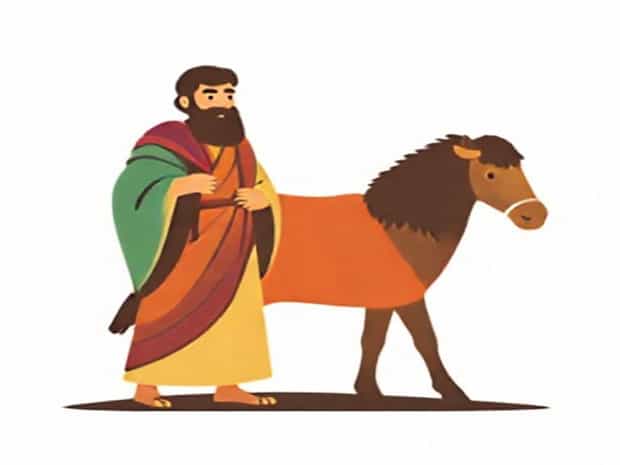
Joseph And His Multicolored Coat Bible Story
The story of Joseph and his multicolored coat is one of the most memorable accounts in the Bible, rich with themes of family conflict, jealousy, betrayal, resilience, and divine providence. Found in the book of Genesis, this narrative continues to inspire people with its lessons on forgiveness and faith. The colorful garment given to Joseph by his father Jacob has become a powerful symbol, not only of favoritism but also of God’s greater plan at work through trials and triumphs. Exploring this story provides insight into how ancient events carry timeless wisdom for modern readers.
The Gift of the Multicolored Coat
Joseph was the beloved son of Jacob, born to him in his old age through his favored wife Rachel. Out of his deep affection, Jacob gave Joseph a special garment, often described as a coat of many colors. This gift was more than just clothing; it was a visible sign of Joseph’s favored position within the family. In a household of twelve brothers, this distinction created jealousy and resentment among his siblings.
Symbolism of the Coat
The multicolored coat represented honor and privilege. In ancient cultures, such a garment would have been costly, reserved for someone set apart. To Joseph’s brothers, the coat was a constant reminder of their father’s preference, fueling bitterness and rivalry. This detail in the story highlights how favoritism can create division, and how external symbols can stir deep emotional responses.
Joseph’s Dreams and Rising Tension
Adding to the tension was Joseph’s ability to dream prophetic visions. He shared two dreams with his brothers in one, their sheaves of grain bowed down to his; in another, the sun, moon, and stars bowed before him. These dreams suggested that Joseph would one day rule over his family. His brothers were angered by what they saw as arrogance, and even Jacob was puzzled by the idea. The combination of favoritism and dreams set the stage for conflict.
-
Joseph’s first dream involved sheaves of grain, a symbol tied to his future role in Egypt’s food supply.
-
The second dream used heavenly bodies to symbolize his family, pointing to his future influence.
-
Both dreams revealed God’s plan, though misunderstood at the time.
The Betrayal by His Brothers
Driven by jealousy, Joseph’s brothers plotted against him. When Jacob sent Joseph to check on them in the fields, they conspired to kill him. Instead, after intervention from his brother Reuben, they threw him into a pit. Later, they sold him to a caravan of Ishmaelite traders headed for Egypt. To cover their actions, they dipped Joseph’s coat in goat’s blood and presented it to Jacob, who believed his beloved son had been devoured by a wild animal. This deceit broke Jacob’s heart.
The Coat as a Tool of Deception
The very gift that had caused envy became the instrument used to deceive their father. The bloodstained garment was a false testimony, showing how symbols of love can be twisted into tools of pain. This moment underscores the destructive power of jealousy and lies within a family.
Joseph’s Journey in Egypt
Though betrayed and enslaved, Joseph’s story did not end in tragedy. In Egypt, he was sold to Potiphar, an officer of Pharaoh. Through his integrity and God’s favor, Joseph rose to a position of trust. However, false accusations led to his imprisonment. Even in prison, Joseph found favor, interpreting dreams for fellow inmates and eventually for Pharaoh himself. His ability to interpret Pharaoh’s troubling dreams about famine led to his rise as second in command over all Egypt.
From Suffering to Sovereignty
Joseph’s journey illustrates resilience and faith. What seemed like endless suffering was part of God’s plan to position him for a greater purpose. The pit, the prison, and the palace were all stages leading Joseph toward his destiny. His coat had once marked him as favored in his family, but his trials marked him as chosen for God’s larger mission.
Reunion and Forgiveness
When famine struck the land, Joseph’s brothers traveled to Egypt seeking food. Unaware that the powerful official before them was their brother, they bowed down to him, fulfilling the dreams Joseph had once shared. Instead of seeking revenge, Joseph tested their hearts and ultimately revealed his identity. He forgave them, declaring in Genesis 5020, You meant evil against me, but God meant it for good, to bring about that many people should be kept alive.
Lessons in Forgiveness
Joseph’s response shows the depth of his character. Despite betrayal and pain, he chose reconciliation. The story demonstrates that forgiveness is a powerful act that brings healing and restores relationships. Joseph’s example continues to encourage believers to trust in God’s providence and to extend grace even when wronged.
The Lasting Message of the Multicolored Coat
The story of Joseph and his multicolored coat carries enduring lessons. It shows how favoritism and jealousy can destroy family bonds, how betrayal can turn lives upside down, and how faith and resilience can turn suffering into triumph. Above all, it reveals God’s sovereignty, working through human actions to bring about His purpose.
-
The coat reminds us of the dangers of favoritism and pride.
-
The betrayal highlights the destructive nature of jealousy.
-
The rise of Joseph in Egypt illustrates God’s providence and faithfulness.
-
The reunion emphasizes the power of forgiveness and reconciliation.
Modern Reflections on Joseph’s Story
Today, Joseph’s story remains relevant. Many people face betrayal, setbacks, or unjust circumstances. Like Joseph, individuals may feel forgotten or misjudged, but his journey shows that faith can turn hardship into opportunity. The multicolored coat serves as a reminder that outward symbols of favor cannot shield one from trials, but God’s unseen hand guides every step toward a greater purpose.
Applications for Daily Life
Believers can apply lessons from Joseph’s life by trusting God in difficult seasons, practicing forgiveness, and maintaining integrity even when no one is watching. Joseph’s story encourages resilience and reminds us that trials can prepare us for roles we cannot yet see.
The account of Joseph and his multicolored coat is far more than a family drama; it is a powerful biblical story of God’s providence, human weakness, and divine redemption. The coat of many colors became a symbol of both jealousy and destiny, setting in motion a journey that would save nations. Joseph’s ability to forgive and recognize God’s hand in his suffering offers a timeless lesson of hope. For readers today, this story continues to inspire trust in God’s plan, faith in times of hardship, and a commitment to extend forgiveness, just as Joseph did to his brothers.