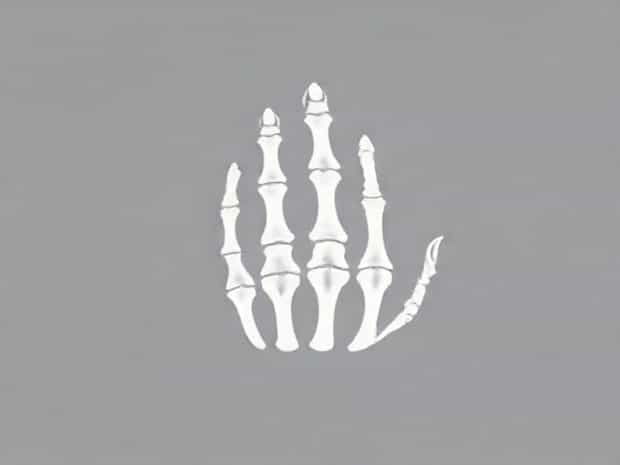
Joints Between Phalanges Are Called
The human hand is a remarkable structure that allows for precision, strength, and versatility in performing countless daily tasks. Central to its functionality are the joints between the phalanges, which enable movement of the fingers. These joints are essential for grasping, typing, writing, playing musical instruments, and other fine motor activities. Understanding the anatomy, classification, and biomechanics of the joints between phalanges is critical for students of anatomy, healthcare professionals, and anyone interested in musculoskeletal function, as injuries or disorders in these joints can significantly impact hand function and overall quality of life.
Introduction to Phalanges
The phalanges are the bones of the fingers and toes, forming the distal segments of the limbs. Each finger consists of three phalanges – proximal, middle, and distal – except the thumb, which has only two proximal and distal. The phalanges articulate with one another at specialized joints that provide the range of motion necessary for various hand functions. These joints are classified based on their anatomical features and movements, providing both stability and flexibility to the fingers.
Classification of Phalangeal Joints
The joints between phalanges are primarily classified as interphalangeal joints. They can be further divided into two types based on their location
- Proximal Interphalangeal Joints (PIP) – Located between the proximal and middle phalanges, these joints allow bending and straightening of the fingers.
- Distal Interphalangeal Joints (DIP) – Located between the middle and distal phalanges, these joints provide additional flexion and extension for fine finger movements.
In the thumb, there is only one interphalangeal joint due to the absence of a middle phalanx. These joints are hinge-type synovial joints, permitting primarily flexion and extension, which are crucial for grasping and manipulating objects.
Anatomy of Interphalangeal Joints
Each interphalangeal joint is composed of articulating bone surfaces, a joint capsule, synovial fluid, ligaments, and surrounding muscles. The articulating surfaces are covered with articular cartilage, reducing friction and absorbing shock during movement. The joint capsule is a fibrous structure that encloses the joint and maintains stability, while synovial fluid lubricates the joint, facilitating smooth motion.
Ligaments of Interphalangeal Joints
Ligaments provide crucial stability to the joints between phalanges. They include
- Collateral Ligaments – Located on the sides of each interphalangeal joint, these ligaments prevent excessive lateral movement and provide stability during flexion and extension.
- Volar Plate – A thick fibrocartilaginous structure on the palmar side of the joint that prevents hyperextension and supports the joint during gripping.
Muscle Influence
Movement at the interphalangeal joints is controlled by extrinsic and intrinsic muscles. Extrinsic muscles originate in the forearm and insert onto the phalanges, including the flexor digitorum superficialis and flexor digitorum profundus, which flex the PIP and DIP joints respectively. Extensor muscles, such as the extensor digitorum and lumbricals, assist in extension of these joints. Intrinsic hand muscles, including interossei and lumbricals, help fine-tune movements, allowing precise control for tasks like typing or playing instruments.
Movements of the Joints Between Phalanges
The primary movements of the interphalangeal joints include flexion and extension. Flexion refers to bending the joint, bringing the fingertip closer to the palm, while extension straightens the finger. The range of motion varies by joint, with PIP joints typically allowing more movement than DIP joints. These movements are coordinated to enable complex hand functions, such as forming a fist, grasping objects, or performing intricate manipulations with the fingers.
Functional Importance
The joints between phalanges play a critical role in human dexterity. By allowing the fingers to bend and straighten with precision, they enable gripping, holding, and manipulating objects of varying sizes and shapes. Fine motor skills, such as writing, sewing, or playing musical instruments, rely heavily on the coordinated movement of these joints. Injuries or dysfunctions, such as arthritis or ligament damage, can severely limit hand function and daily activities.
Clinical Significance
Interphalangeal joints are susceptible to various injuries and conditions, including fractures, dislocations, ligament sprains, and degenerative diseases like osteoarthritis. Understanding the anatomy and biomechanics of these joints is essential for accurate diagnosis, treatment, and rehabilitation.
Common Conditions
- Osteoarthritis – Degeneration of articular cartilage in the interphalangeal joints, leading to pain, stiffness, and reduced mobility.
- Rheumatoid Arthritis – An autoimmune condition affecting the synovial lining of the joints, causing inflammation, deformity, and loss of function.
- Fractures and Dislocations – Trauma to the phalanges can disrupt joint alignment and stability, requiring immobilization or surgical intervention.
- Ligament Injuries – Collateral ligament or volar plate injuries can lead to joint instability and impaired movement.
Diagnosis and Imaging
Medical imaging, including X-rays, MRI, and ultrasound, is essential for evaluating injuries or degenerative changes in the joints between phalanges. Accurate assessment helps guide treatment strategies, whether conservative management with splints and physiotherapy or surgical repair is required.
Rehabilitation and Therapy
Rehabilitation focuses on restoring range of motion, strength, and coordination. Physical and occupational therapists use targeted exercises to improve flexibility, strengthen surrounding muscles, and enhance functional hand use. Early intervention is crucial to prevent long-term stiffness or deformity in the interphalangeal joints.
Summary of Key Points
The joints between phalanges, known as interphalangeal joints, are hinge-type synovial joints that allow flexion and extension of the fingers. They are categorized as proximal interphalangeal (PIP) and distal interphalangeal (DIP) joints, with the thumb having only one interphalangeal joint. These joints consist of articular surfaces, joint capsules, ligaments, and muscles, all working together to provide stability and controlled movement. Proper function of these joints is essential for grip, manipulation, and fine motor skills, and dysfunction can significantly impact daily activities.
Understanding the joints between phalanges is fundamental to comprehending the anatomy and functionality of the human hand. These interphalangeal joints, supported by ligaments, muscles, and connective tissue, allow precise and coordinated finger movements essential for a wide range of activities. Knowledge of their structure, biomechanics, and clinical relevance is crucial for medical professionals, therapists, and individuals aiming to maintain optimal hand health. Proper care, early diagnosis of injuries, and rehabilitation strategies ensure these joints continue to function efficiently, maintaining dexterity, strength, and overall hand performance.