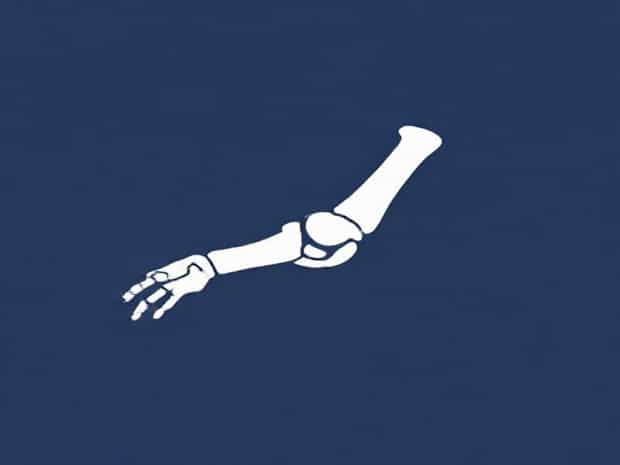
Joints At The End Of The Arm
The human arm is a complex structure of bones, muscles, tendons, ligaments, and joints that allows us to perform a wide range of movements, from lifting and grasping to writing and waving. At the end of the arm, the joints play a crucial role in connecting the forearm to the hand and providing flexibility, stability, and precision. Without these specialized joints, the fine motor skills and strength we rely on every day would not be possible. To understand the anatomy and physiology of the joints at the end of the arm, it is helpful to explore their structure, types, and functions in detail.
Anatomical Overview of the Arm
The arm is divided into three main parts the upper arm, the forearm, and the hand. The upper arm contains the humerus bone, while the forearm consists of the radius and ulna. These bones articulate at various joints, enabling movement. At the distal end of the forearm, near the wrist and hand, several joints work together to provide dexterity and strength. These include the wrist joint, radioulnar joint, carpometacarpal joints, metacarpophalangeal joints, and interphalangeal joints.
The Wrist Joint (Radiocarpal Joint)
The wrist joint is the primary joint connecting the forearm to the hand. It is classified as a condyloid joint, which allows movement in two planes flexion/extension and abduction/adduction. This joint is formed by the distal ends of the radius and ulna and the proximal row of carpal bones, mainly the scaphoid, lunate, and triquetrum.
Movements of the Wrist Joint
- Flexion– bending the wrist forward.
- Extension– bending the wrist backward.
- Abduction– moving the wrist sideways toward the thumb.
- Adduction– moving the wrist sideways toward the little finger.
- Circumduction– a circular movement combining all motions.
Distal Radioulnar Joint
The distal radioulnar joint is located near the wrist, where the head of the ulna articulates with the ulnar notch of the radius. It is a pivot-type synovial joint that enables pronation and supination, meaning the ability to rotate the forearm so the palm faces up or down. This function is essential for activities like turning a doorknob, using tools, or rotating the hand during writing.
Carpometacarpal Joints
The carpometacarpal joints (CMC joints) connect the distal row of carpal bones to the bases of the metacarpal bones. Among these, the most important is the carpometacarpal joint of the thumb, also known as the first CMC joint. It is a saddle joint that allows a wide range of movement, including opposition, which is the ability to touch the thumb to the fingertips. This motion is unique to primates and vital for grasping objects.
Functions of the CMC Joints
- Enable gripping and pinching movements.
- Provide stability for the palm during heavy lifting.
- Allow fine manipulation through thumb opposition.
Metacarpophalangeal Joints
The metacarpophalangeal joints (MCP joints) are located at the knuckles, where the metacarpal bones meet the proximal phalanges of the fingers. These joints are condyloid synovial joints, which allow flexion, extension, abduction, and adduction. They are crucial for tasks such as typing, gripping, and gesturing. The MCP joints also contribute to the strength and coordination of the hand.
Interphalangeal Joints
The interphalangeal joints (IP joints) exist between the phalanges of the fingers. Each finger, except the thumb, has two sets of IP joints the proximal interphalangeal joint (PIP) and the distal interphalangeal joint (DIP). The thumb has only one interphalangeal joint. These are hinge joints that allow flexion and extension, making them vital for precise movements such as buttoning clothes, holding a pen, or playing a musical instrument.
Movements of the Interphalangeal Joints
- Flexion– bending the finger forward.
- Extension– straightening the finger back to its normal position.
Ligaments Supporting the Joints
The joints at the end of the arm are supported by strong ligaments that stabilize them while allowing movement. Important ligaments include the collateral ligaments of the fingers, which prevent excessive sideways motion, and the flexor and extensor retinacula at the wrist, which secure tendons in place. Without these supportive structures, the joints would be prone to dislocations and instability.
Muscles Controlling Joint Movements
Movement at the end of the arm is powered by several muscle groups located in the forearm and hand. The flexor muscles, such as flexor digitorum superficialis and flexor digitorum profundus, allow bending of the fingers and wrist. The extensor muscles, like extensor digitorum, extend the fingers and wrist. Intrinsic hand muscles, such as the lumbricals and interossei, provide fine control of finger movement and grip strength.
Common Disorders Affecting Arm Joints
Because the joints at the end of the arm are constantly in use, they are vulnerable to injuries and disorders. Some common conditions include
- Carpal Tunnel Syndrome– compression of the median nerve at the wrist, causing pain and numbness.
- Arthritis– inflammation of the joints, leading to stiffness and reduced mobility.
- Tendonitis– inflammation of tendons around the wrist and fingers.
- Fractures– bone breaks near the wrist or fingers that affect joint alignment.
Importance of Joints at the End of the Arm
The joints at the end of the arm are essential for both gross motor and fine motor functions. They allow humans to interact with their environment in highly specialized ways, such as writing, drawing, using tools, or playing musical instruments. The adaptability and range of motion provided by these joints distinguish human hands from most other species.
Understanding the anatomy and physiology of the joints at the end of the arm highlights their importance in daily life. From the wrist joint to the tiny interphalangeal joints, each structure works in harmony to enable strength, flexibility, and precision. Protecting these joints through proper ergonomics, exercise, and medical care when necessary ensures their longevity and function. The remarkable design of the human arm joints reflects a perfect balance between stability and mobility, making them indispensable for countless tasks we perform every day.