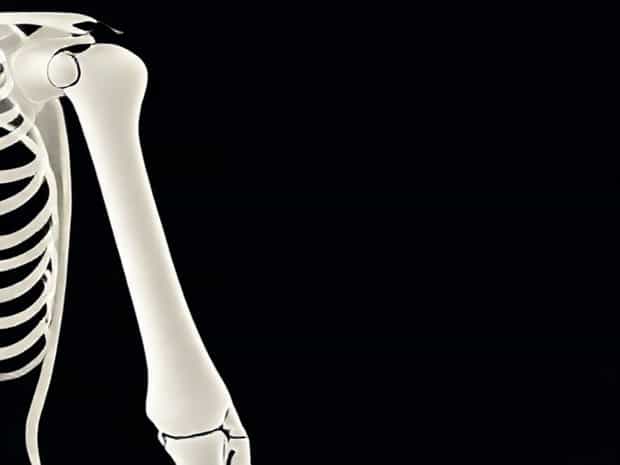
Joint Between Humerus And Ulna
The joint between the humerus and the ulna is a fundamental component of the human elbow, providing stability and a wide range of motion essential for daily activities. This articulation allows the arm to bend and straighten, enabling actions like lifting, throwing, pushing, and pulling. The structural design of this joint ensures proper alignment of bones while distributing forces efficiently during movement. Understanding the anatomy, function, and clinical relevance of the humeroulnar joint is crucial for anyone interested in musculoskeletal health, orthopedic medicine, or rehabilitation therapy.
Anatomy of the Humeroulnar Joint
The humeroulnar joint is a hinge-type synovial joint formed between the distal end of the humerus and the proximal end of the ulna. It primarily involves the trochlea of the humerus and the greater sigmoid notch (also called the trochlear notch) of the ulna. The humerus has a spool-shaped trochlea that fits snugly into the concave notch of the ulna, allowing the elbow to flex and extend with stability. This joint is reinforced by surrounding ligaments and muscles, which ensure proper function and protect against dislocations or excessive movement.
Key Structures of the Humeroulnar Joint
- Trochlea of HumerusThe spool-shaped surface that articulates with the ulna’s greater sigmoid notch.
- Greater Sigmoid Notch of UlnaA concave surface on the ulna that cradles the trochlea, forming the hinge mechanism.
- Olecranon ProcessThe prominent bony projection at the ulna’s posterior end, preventing hyperextension by engaging with the olecranon fossa of the humerus.
- Coronoid ProcessProjects anteriorly from the ulna and fits into the coronoid fossa during elbow flexion, enhancing stability.
- Ulnar Collateral LigamentProvides medial stability and prevents excessive valgus movement.
- Joint CapsuleSurrounds the articulation, containing synovial fluid to reduce friction.
Function and Biomechanics
The primary function of the humeroulnar joint is to allow smooth flexion and extension of the elbow. Its hinge-like design ensures that the movement is mostly in a single plane, although slight rotational adjustments occur due to the interaction with the humeroradial joint. The alignment of the trochlea and the greater sigmoid notch distributes mechanical stress evenly across the joint during activities such as lifting heavy objects or performing push-ups. Proper biomechanics prevent wear and tear on the articular surfaces and minimize the risk of injuries like dislocations or fractures.
Range of Motion
- Flexion Typically up to 145 degrees, allowing the hand to move toward the shoulder.
- Extension Usually 0 degrees, with hyperextension prevented by the olecranon process and ligaments.
- Functional stability Maintained through muscular support, including the triceps, brachialis, and anconeus muscles.
- Interaction with the humeroradial joint Allows slight rotational adjustments for precise hand positioning.
Muscles Supporting the Humeroulnar Joint
Several muscles contribute to the movement and stabilization of the humeroulnar joint. The triceps brachii, attaching to the olecranon, extends the elbow, while the brachialis inserts on the coronoid process and flexes the joint. The anconeus muscle, a small triangular muscle near the elbow, assists in extension and stabilization. Additionally, the forearm flexors and extensors indirectly support the joint by maintaining tension across the elbow during various tasks. Proper muscle function is essential for protecting the joint from injuries and ensuring smooth articulation.
Key Muscles and Their Roles
- Triceps Brachii Primary extensor of the elbow, attaches to the olecranon.
- Brachialis Strong flexor of the elbow, attaches to the coronoid process.
- Anconeus Stabilizes the joint and assists with extension.
- Forearm Flexors and Extensors Indirectly support elbow stability during gripping and lifting.
Ligamentous Support
The humeroulnar joint relies heavily on ligaments for stability. The ulnar collateral ligament complex on the medial side prevents excessive valgus stress, while the radial collateral ligament on the lateral side provides lateral stability. These ligaments work with the joint capsule to ensure that the articulation remains secure during both static postures and dynamic movements. Ligament injuries, such as tears of the ulnar collateral ligament, are common in athletes performing repetitive throwing motions, emphasizing the importance of these structures in joint health.
Ligaments and Their Importance
- Ulnar Collateral Ligament Resists valgus stress, preventing medial instability.
- Radial Collateral Ligament Maintains lateral stability during motion.
- Annular Ligament Encircles the head of the radius, supporting rotation and indirectly affecting humeroulnar stability.
- Joint Capsule Contains synovial fluid, reduces friction, and adds structural integrity.
Clinical Relevance
The humeroulnar joint is frequently involved in orthopedic injuries due to its role in daily activities and sports. Fractures of the olecranon or coronoid process, elbow dislocations, and ligament tears are common conditions affecting this joint. Proper diagnosis often requires imaging, including X-rays, CT scans, or MRI, to assess bone alignment and soft tissue integrity. Treatment may involve conservative management, such as physical therapy, or surgical interventions for severe injuries. Understanding the anatomy and biomechanics of the humeroulnar joint is essential for effective treatment and rehabilitation.
Common Injuries
- Olecranon fractures resulting from falls or direct trauma.
- Coronoid process fractures affecting joint stability.
- Elbow dislocations caused by hyperextension or trauma.
- Ulnar collateral ligament tears, common in throwing athletes.
- Arthritis leading to degeneration of the joint surfaces.
Imaging and Diagnosis
Accurate evaluation of the humeroulnar joint is essential for diagnosing injuries and planning treatment. X-ray imaging provides a basic assessment of bone alignment and fractures. CT scans offer detailed views for complex fractures or joint deformities. MRI is useful for evaluating soft tissue structures such as ligaments and muscles, while ultrasound can be employed to assess dynamic joint movement. Proper imaging ensures that clinicians can develop effective treatment plans and prevent long-term complications.
Diagnostic Techniques
- X-ray For initial assessment of bone integrity and alignment.
- CT Scan Detailed 3D visualization of fractures and joint structure.
- MRI Evaluates soft tissue, ligaments, and cartilage.
- Ultrasound Useful for dynamic evaluation of tendons and ligaments.
The joint between the humerus and ulna is a complex and vital structure that enables elbow flexion, extension, and overall upper limb functionality. Its stability relies on the precise interaction between bones, ligaments, and muscles. Injuries to this joint can significantly impair arm function, highlighting the importance of understanding its anatomy and biomechanics. Proper knowledge of the humeroulnar joint allows healthcare professionals to diagnose injuries accurately, implement effective treatments, and guide rehabilitation to restore optimal mobility and strength in the elbow.