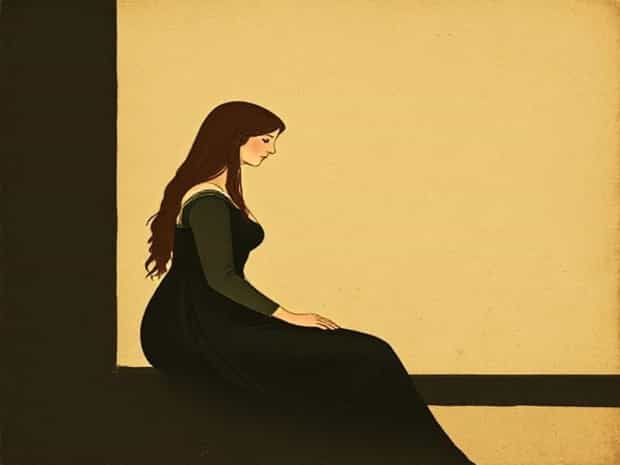
John William Waterhouse Lady Of Shalott
John William Waterhouse’s painting, Lady of Shalott, is one of the most evocative and celebrated works of the Pre-Raphaelite movement, capturing a moment of tragic beauty with exceptional detail and emotional depth. Inspired by Alfred, Lord Tennyson’s poem of the same name, the painting depicts the doomed heroine as she embarks on her final journey down the river toward Camelot. Waterhouse’s mastery of light, color, and composition conveys both melancholy and elegance, drawing viewers into the narrative of isolation, fate, and the power of desire. The Lady of Shalott remains a timeless symbol of romantic tragedy and artistic brilliance, admired by art enthusiasts and scholars around the world.
The Inspiration Behind Lady of Shalott
Waterhouse’s painting was inspired by Tennyson’s 1833 poem, which tells the story of a young woman cursed to live in a tower on the island of Shalott, unable to look directly at the outside world. The Lady can only view the world through a mirror, weaving what she sees into a tapestry. When she glimpses the knight Sir Lancelot, she defies the curse, looking directly at him, which seals her tragic fate. Waterhouse captures the moment when the Lady has left her tower, drifting toward her death, creating a powerful visual narrative that complements Tennyson’s lyrical storytelling.
Waterhouse and the Pre-Raphaelite Influence
John William Waterhouse was a later adherent of the Pre-Raphaelite style, a movement known for its vibrant colors, attention to detail, and literary subjects. Unlike earlier Pre-Raphaelites, Waterhouse blended classical composition with more naturalistic techniques, creating scenes that feel both timeless and realistic. His Lady of Shalott reflects this synthesis, with intricate detailing in the flowing gown, the boat, and the surrounding water, emphasizing realism while maintaining a dreamlike, romantic quality. This combination has made his work enduringly popular among both critics and the general public.
Analyzing the Composition of the Painting
The composition of Lady of Shalott demonstrates Waterhouse’s skill in guiding the viewer’s eye and evoking emotion. The Lady is positioned diagonally in her boat, creating a sense of movement and inevitability. Her gaze, slightly downcast, and the delicate positioning of her hands enhance the sense of melancholy and resignation. The water, rich in reflections and naturalistic details, mirrors her emotional state and the tension between beauty and sorrow. Each element, from the woven tapestry to the scattered flowers, contributes to the story being told through visual means.
Use of Color and Light
Color and light are central to the painting’s emotional impact. Waterhouse employs a palette of muted greens, blues, and golds, which evoke a sense of calm tinged with sorrow. The light subtly illuminates the Lady’s face and the folds of her gown, drawing attention to her as the focal point of the composition. This careful modulation of light and shadow not only enhances realism but also reinforces the narrative, emphasizing her isolation and the poignancy of her final journey.
Symbolism in Lady of Shalott
The painting is rich with symbolic elements that enhance the story. The boat represents the Lady’s passage from life to death, a visual metaphor for her fate. Flowers in the boat often symbolize both beauty and transience, while the tapestry she has woven reflects her constrained life and her attempt to interpret the world from a distance. The flowing water symbolizes both freedom and inevitability, guiding her toward Camelot and her ultimate demise. These symbols make the painting more than a mere illustration of a poem; they create layers of meaning and emotional resonance.
The Lady’s Expression and Gesture
One of the most striking features of Waterhouse’s work is the Lady’s expression. Her serene yet sorrowful gaze, combined with the delicate positioning of her hands, communicates resignation, awareness of fate, and a quiet dignity. This careful attention to facial expression and body language allows viewers to empathize with her plight and understand the emotional gravity of the moment. Waterhouse’s ability to convey complex emotion through subtle gestures is a hallmark of his artistic skill.
The Cultural and Artistic Impact
Lady of Shalott has had a lasting impact on both art and literature. Waterhouse’s depiction has influenced countless reproductions, posters, and academic discussions, becoming an iconic representation of Pre-Raphaelite ideals. The painting exemplifies the movement’s fascination with medieval themes, romanticism, and the fusion of literature and visual art. Its enduring popularity is a testament to Waterhouse’s ability to translate poetic narrative into visual form, appealing to audiences across generations and cultures.
Why Collectors Value Lady of Shalott Prints
Framed prints and reproductions of Lady of Shalott are highly sought after by collectors and enthusiasts. The painting’s intricate detail, emotional depth, and historical significance make it a centerpiece for any collection. High-quality prints capture the nuances of Waterhouse’s brushwork, the subtleties of light and shadow, and the richness of his color palette. Owning a print allows admirers to experience the same evocative qualities of the original work without the prohibitive cost of an original painting, making it accessible to a broader audience.
Techniques for Appreciating the Artwork
Observing Detail and Craftsmanship
To fully appreciate Lady of Shalott, it is helpful to examine the intricate details of Waterhouse’s technique. Notice the texture of the flowing gown, the individual strands of hair, and the careful depiction of the water’s surface. These details contribute to the painting’s realism and emotional resonance, demonstrating the artist’s meticulous craftsmanship and attention to visual storytelling.
Understanding the Narrative Context
Understanding Tennyson’s poem enhances the viewer’s appreciation of the painting. The Lady’s tragic story, her isolation, and the moment of defiance before her death imbue the painting with depth and meaning. Recognizing the literary source allows viewers to see beyond the surface beauty, understanding the symbolic and narrative layers that make the painting compelling and enduring.
Legacy of Waterhouse’s Lady of Shalott
Waterhouse’s Lady of Shalott remains a quintessential example of Pre-Raphaelite artistry and narrative painting. It continues to captivate audiences with its combination of romanticism, realism, and storytelling. Exhibited in museums and reproduced in galleries worldwide, the painting has become a cultural icon, influencing artists, illustrators, and admirers of literary-inspired art. Its ability to evoke empathy, wonder, and reflection ensures that Lady of Shalott will remain a celebrated work for generations to come.
Final Thoughts
John William Waterhouse’s Lady of Shalott exemplifies the intersection of literature and visual art, combining technical mastery with emotional depth. The painting captures the tragic beauty of the Lady, her journey, and the inevitability of fate, drawing viewers into a poetic and immersive world. Through detailed composition, symbolic elements, and masterful use of color and light, Waterhouse has created a work that is both timeless and profoundly moving. Appreciating and studying this painting allows viewers to explore the enduring power of narrative art and the lasting influence of the Pre-Raphaelite movement.
For art enthusiasts, collectors, and admirers of romantic and literary-inspired art, Lady of Shalott remains a masterpiece that embodies the elegance, tragedy, and storytelling genius of John William Waterhouse. Its combination of beauty, emotion, and symbolism ensures its continued relevance and admiration in the world of fine art.