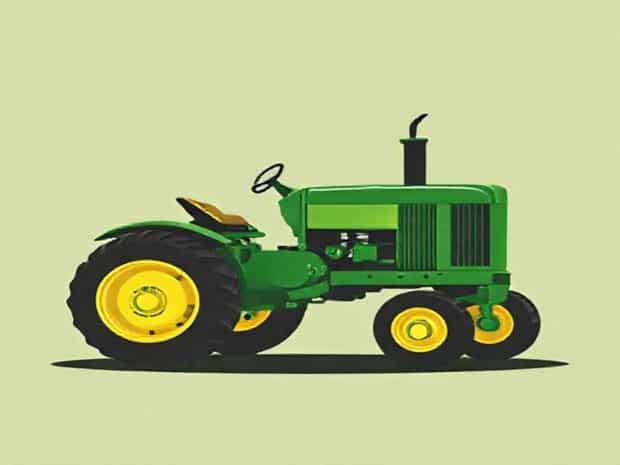
John Deere Model B Petcock
The John Deere Model B tractor is a classic piece of agricultural machinery, widely recognized for its reliability and durability. One of the critical yet often overlooked components of this tractor is the petcock, which plays an essential role in controlling fuel flow and maintaining the engine’s efficiency. The petcock is a small valve located on the fuel tank that allows operators to manage fuel delivery to the carburetor, helping to prevent leaks, flooding, and other fuel-related issues. Understanding the function, maintenance, and replacement of the John Deere Model B petcock is vital for ensuring optimal performance and longevity of the tractor. Farmers, collectors, and vintage tractor enthusiasts often seek detailed information on this component to keep their machines in peak condition.
Overview of the John Deere Model B Petcock
The petcock on a John Deere Model B serves as a fuel control valve, typically installed at the base of the fuel tank. Its primary function is to allow the operator to start or stop the flow of gasoline from the tank to the carburetor. By turning the petcock, users can either permit fuel to flow freely, restrict it, or shut it off entirely. This functionality is especially important when performing maintenance, transporting the tractor, or storing it for extended periods. The design of the petcock is simple yet effective, ensuring that fuel delivery is reliable while reducing the risk of leaks or spillage.
Types of Petcocks Used in Model B Tractors
Over the years, John Deere produced several variations of the Model B, and the petcock design evolved slightly depending on the year and production batch. The main types include
- Manual PetcockOperated by turning a small lever, allowing full, reserve, or off positions for fuel control.
- Vacuum or Fuel-Controlled PetcockUses engine vacuum or pressure to regulate fuel flow automatically. Less common but found in later models.
- Replacement Aftermarket PetcockModern reproductions or improved versions are available to replace worn or leaking original parts.
Functions and Importance of the Petcock
The petcock is more than just a fuel valve; it is a critical component for engine management and safety. Its key functions include
- Fuel Flow ControlAllows precise regulation of gasoline from the tank to the carburetor, preventing flooding and fuel waste.
- Storage and SafetyShutting off the petcock prevents fuel from flowing when the tractor is not in use, reducing fire hazards and leakage.
- Maintenance SupportEnables safe draining or servicing of the fuel system without spillage or contamination.
- Reserve Fuel AccessSome petcocks have a reserve setting, providing access to additional fuel when the main supply is depleted, allowing the operator to reach a refueling point.
Identifying a Faulty Petcock
Like any mechanical component, the petcock can wear out over time, leading to performance issues. Common signs of a faulty John Deere Model B petcock include
- Fuel leaks around the valve or fuel tank connection.
- Difficulty starting the tractor due to improper fuel flow.
- Engine flooding caused by uncontrolled fuel delivery.
- Inconsistent engine performance when switching between main and reserve fuel settings.
Maintenance and Replacement Tips
Proper maintenance of the petcock can extend its life and ensure reliable operation. Regular checks and cleaning can prevent many common issues
Cleaning the Petcock
Over time, dirt, debris, and sediment from fuel can accumulate in the petcock, restricting flow or causing leaks. To clean it
- Turn off the fuel supply using the petcock and disconnect the fuel line.
- Remove the petcock from the fuel tank carefully.
- Soak it in a mild solvent or carburetor cleaner to dissolve buildup.
- Use a small brush or compressed air to remove stubborn debris from internal passages.
- Reinstall and test the valve to ensure proper operation.
Replacing a Worn Petcock
If cleaning does not restore proper function, replacement may be necessary. Replacement steps include
- Purchase a compatible petcock for the John Deere Model B. OEM parts are ideal, but high-quality aftermarket options are also available.
- Turn off the fuel supply and drain the fuel tank if needed.
- Remove the old petcock carefully, avoiding fuel spills.
- Install the new petcock, ensuring a tight seal with gaskets or washers provided.
- Reconnect the fuel line and test the valve in all positions to verify proper fuel flow.
Tips for Longevity
To maximize the lifespan of a John Deere Model B petcock and prevent unnecessary repairs
- Use clean, filtered fuel to reduce sediment buildup inside the petcock.
- Operate the petcock gently, avoiding excessive force when turning it on or off.
- Check for leaks periodically and replace worn gaskets promptly.
- Drain the fuel when storing the tractor for extended periods to prevent varnish or sediment accumulation.
Common Misconceptions
Some operators may overlook the importance of the petcock, assuming it is a simple component that requires no attention. However, a malfunctioning petcock can cause engine performance issues, fuel wastage, or even safety hazards. Understanding its critical role ensures that maintenance schedules include checks and, if necessary, replacement. Additionally, using non-compatible aftermarket parts can lead to leaks or improper fuel flow, so selecting the right replacement is essential.
The John Deere Model B petcock may appear to be a minor component, but its role in controlling fuel flow and ensuring engine reliability is significant. Regular maintenance, cleaning, and timely replacement are essential practices for keeping the tractor operating efficiently. Whether you are a farmer using the tractor daily or a collector maintaining a vintage piece, understanding the function, types, and care of the petcock will help preserve the performance and longevity of the John Deere Model B. By prioritizing attention to this small yet critical valve, operators can prevent fuel-related issues and enjoy years of reliable service from this classic agricultural machine.