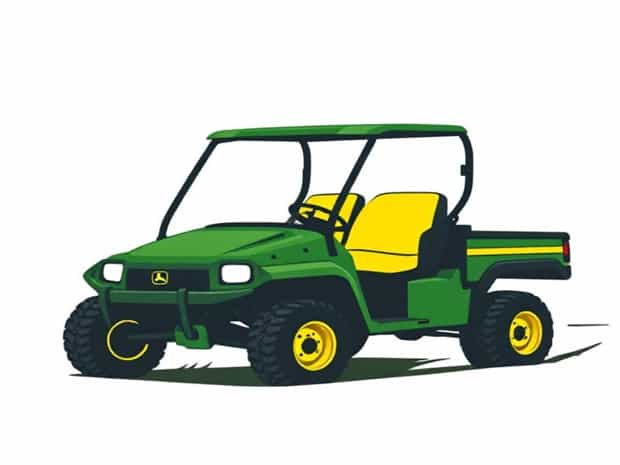
John Deere Gator Running Sluggish
Experiencing a sluggish John Deere Gator can be frustrating, especially when you rely on this versatile utility vehicle for daily work on farms, construction sites, or recreational activities. A Gator that runs slowly or lacks the usual power can hinder productivity and lead to unnecessary downtime. Understanding the potential causes, from mechanical issues to maintenance lapses, is essential for diagnosing and resolving performance problems. Addressing sluggishness promptly ensures the Gator operates safely and efficiently while extending its lifespan and reliability.
Common Causes of a John Deere Gator Running Sluggish
Several factors can contribute to a John Deere Gator exhibiting sluggish behavior. These issues can be categorized into engine-related problems, fuel system complications, transmission and drivetrain concerns, and routine maintenance deficiencies. Identifying the root cause requires careful inspection and methodical troubleshooting.
Engine Performance Issues
The engine is the heart of your John Deere Gator, and any impairment can directly impact speed and responsiveness. Common engine-related issues include
- Dirty or Clogged Air FilterA restricted air filter reduces airflow, decreasing combustion efficiency and causing the Gator to lose power.
- Spark Plug ProblemsWorn or fouled spark plugs can result in incomplete combustion, misfires, or rough idling, making the vehicle feel sluggish.
- Low CompressionWorn piston rings, valves, or cylinder issues can lower engine compression, reducing power output.
- Exhaust BlockagesClogged mufflers or exhaust systems can restrict exhaust flow, limiting engine performance.
Fuel System Complications
The fuel system is crucial for delivering the correct air-fuel mixture to the engine. Problems in this area often lead to poor acceleration and reduced power
- Dirty Fuel FiltersA clogged fuel filter can limit fuel flow, starving the engine and causing sluggishness.
- Old or Contaminated FuelFuel that has degraded or contains water can lead to poor combustion and hesitation.
- Carburetor or Fuel Injector IssuesDeposits in the carburetor or injectors can alter fuel delivery, resulting in slow response or uneven engine performance.
Transmission and Drivetrain Concerns
Even with a healthy engine, problems in the transmission or drivetrain can cause sluggish movement
- Hydrostatic Transmission FluidLow or degraded fluid can reduce efficiency in hydrostatic models, making acceleration slow.
- Drive Belt WearWorn, loose, or broken drive belts can decrease power transmission to the wheels.
- Clutch or Gear IssuesMalfunctioning clutches, gear slippage, or differential problems may result in reduced traction and slower performance.
Maintenance and Environmental Factors
Routine maintenance and environmental conditions play a significant role in Gator performance. Neglecting basic upkeep or operating in harsh conditions can lead to sluggishness
- Battery and Electrical SystemWeak batteries or poor electrical connections can affect ignition timing and fuel system operation.
- Temperature ExtremesCold weather can thicken fluids and reduce engine efficiency temporarily, while extreme heat can cause overheating and power loss.
- Tire PressureUnderinflated tires increase rolling resistance, making the Gator feel slower and less responsive.
Diagnosing a Sluggish John Deere Gator
Diagnosing the cause of a sluggish Gator involves a systematic approach. Begin with the simplest potential problems and move toward more complex systems. This approach saves time and ensures that minor issues are not overlooked.
Step-by-Step Diagnostic Approach
- Inspect Air and Fuel SystemsCheck air filters, fuel filters, and fuel quality first. Replace any dirty or clogged components and refill with fresh fuel if necessary.
- Check Spark Plugs and IgnitionRemove and inspect spark plugs for wear, fouling, or damage. Replace plugs as needed and ensure ignition timing is correct.
- Review Transmission and Drive ComponentsCheck hydrostatic fluid levels, belts, and clutch mechanisms. Replace or adjust components showing signs of wear.
- Verify Tire Pressure and Wheel ConditionEnsure all tires are properly inflated and examine wheels for damage or excessive wear that might reduce efficiency.
- Examine Battery and Electrical ConnectionsTest battery voltage and inspect wiring for corrosion or loose connections.
Solutions for Improving Gator Performance
Once the root cause of sluggishness is identified, corrective measures can restore normal operation. Simple maintenance adjustments and component replacements often yield immediate results.
Routine Maintenance
Maintaining your John Deere Gator regularly is key to preventing sluggishness
- Replace air and fuel filters according to the manufacturer’s schedule.
- Check and replace spark plugs as needed.
- Change hydrostatic or engine fluids at recommended intervals.
- Inspect belts, clutches, and other drive components regularly.
- Keep tires properly inflated and check for damage.
Component Repairs and Replacements
If maintenance does not resolve sluggishness, specific repairs may be necessary
- Replace worn or damaged drive belts and clutches.
- Flush and refill hydrostatic transmission fluid if degraded.
- Repair or replace carburetor or fuel injectors to restore proper fuel delivery.
- Address engine compression issues through professional servicing if necessary.
Preventive Measures to Avoid Future Sluggishness
Preventing performance issues in a John Deere Gator requires proactive care and attention to operating conditions. Implementing preventive measures ensures reliable performance over time.
- Schedule regular maintenance checks based on usage intensity.
- Use high-quality fuel and lubricants suitable for your Gator model.
- Store the Gator in a protected environment to avoid extreme temperature effects.
- Train operators to avoid overloading or aggressive driving that can strain components.
- Keep an eye on warning indicators and unusual noises, addressing them promptly.
A John Deere Gator running sluggishly can be caused by a variety of factors, ranging from simple maintenance issues like dirty filters or underinflated tires to more complex engine, fuel system, or transmission problems. Understanding the common causes and following a systematic diagnostic approach helps in identifying and correcting the issue efficiently. Regular maintenance, careful operation, and timely repairs are essential for maintaining peak performance. By implementing preventive measures and addressing problems promptly, Gator owners can ensure their vehicles remain reliable, responsive, and ready for any task, making them a dependable tool for both work and recreational use.