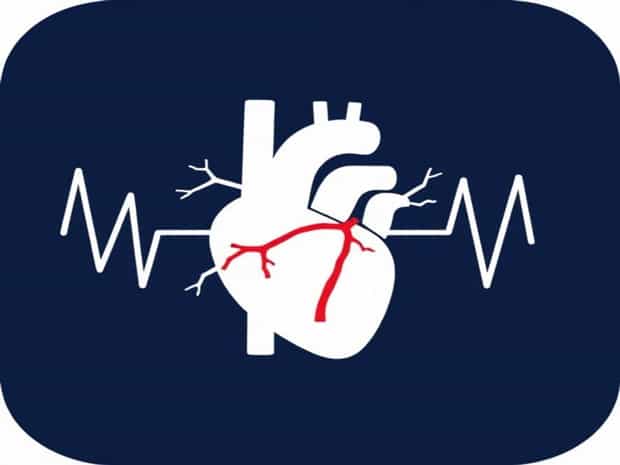
Job Of Coronary Arteries
The human heart is an extraordinary organ that works tirelessly to pump blood throughout the body, supplying oxygen and nutrients to vital tissues and organs. Central to this function are the coronary arteries, which play a critical role in maintaining the heart’s own blood supply. Unlike other organs, the heart requires a continuous and specialized blood flow to sustain its constant activity. The coronary arteries are responsible for delivering oxygen-rich blood to the heart muscle, ensuring that it can function efficiently and maintain overall cardiovascular health.
Overview of Coronary Arteries
The coronary arteries are a network of blood vessels that wrap around the surface of the heart. They are essential for providing the myocardium, the muscular layer of the heart, with the oxygen and nutrients it needs to contract effectively. There are two primary coronary arteries the left coronary artery (LCA) and the right coronary artery (RCA). Each of these main arteries branches into smaller vessels, supplying different regions of the heart muscle.
Left Coronary Artery (LCA)
The left coronary artery is a major vessel that branches into two critical arteries the left anterior descending (LAD) artery and the circumflex (LCx) artery. The LAD artery runs along the front of the heart and supplies the front and bottom of the left ventricle as well as the front of the septum, which separates the left and right ventricles. The circumflex artery, on the other hand, circles the heart to supply blood to the lateral and posterior aspects of the left ventricle.
Right Coronary Artery (RCA)
The right coronary artery originates from the right side of the aorta and supplies blood primarily to the right atrium, right ventricle, and the bottom portion of the left ventricle. Additionally, the RCA provides blood to the sinoatrial (SA) node and atrioventricular (AV) node, which are critical components in the heart’s electrical system that regulate heartbeat and rhythm.
Functions of the Coronary Arteries
The primary job of coronary arteries is to ensure that the heart muscle receives a continuous supply of oxygen-rich blood. Since the heart is constantly contracting, even brief interruptions in blood flow can lead to tissue damage. Some key functions include
- Oxygen DeliveryCoronary arteries deliver oxygenated blood directly to the myocardium, enabling the heart to contract and pump efficiently.
- Nutrient SupplyBeyond oxygen, coronary arteries provide essential nutrients, including glucose and fatty acids, which are required for energy production within heart cells.
- Removal of WasteCoronary veins run alongside arteries, helping remove carbon dioxide and metabolic byproducts from the heart muscle.
- Supporting Electrical FunctionBy supplying the SA and AV nodes, coronary arteries help maintain the heart’s electrical activity and regulate the heartbeat.
Importance in Cardiovascular Health
Healthy coronary arteries are vital for overall cardiovascular health. Any obstruction or narrowing of these vessels can reduce blood flow, leading to ischemia, or insufficient oxygen delivery to the heart muscle. Conditions like coronary artery disease (CAD) occur when plaque buildup narrows or blocks these arteries, increasing the risk of heart attacks. Maintaining the health of coronary arteries through a balanced diet, regular exercise, and avoidance of smoking is essential for preventing cardiovascular complications.
Coronary Artery Disease and Complications
When coronary arteries become damaged or blocked, the heart muscle cannot receive adequate blood supply, which can lead to serious health issues. Common complications include
- AnginaChest pain or discomfort resulting from reduced blood flow to the heart muscle.
- Heart Attack (Myocardial Infarction)Occurs when a coronary artery becomes completely blocked, causing permanent damage to the heart muscle.
- ArrhythmiasIrregular heartbeats caused by impaired blood flow to the heart’s electrical nodes.
- Heart FailureChronic inadequate blood supply can weaken the heart over time, reducing its ability to pump effectively.
Diagnostic Methods
Various medical techniques are used to assess the health of coronary arteries and identify potential blockages. These include
- Electrocardiogram (ECG)Measures electrical activity of the heart and can indicate areas of reduced blood flow.
- Coronary AngiographyA specialized imaging technique that uses contrast dye to visualize blockages in the coronary arteries.
- CT Coronary AngiogramA non-invasive scan that provides detailed images of coronary arteries to detect narrowing or plaque buildup.
- Stress TestsAssess how the heart functions under physical exertion and can reveal areas with insufficient blood flow.
Maintaining Healthy Coronary Arteries
Preventing coronary artery disease and promoting the health of these vessels involves lifestyle choices and medical monitoring. Key strategies include
- Adopting a heart-healthy diet rich in fruits, vegetables, whole grains, and lean proteins.
- Engaging in regular cardiovascular exercise to improve circulation and heart function.
- Avoiding tobacco use, which can damage arterial walls and promote plaque formation.
- Monitoring blood pressure, cholesterol levels, and blood sugar to reduce risk factors.
- Managing stress and maintaining a healthy weight to reduce cardiovascular strain.
Treatments for Coronary Artery Blockages
When blockages occur, several treatments can restore blood flow and prevent complications. These include
- MedicationsDrugs such as statins, antiplatelets, and beta-blockers help manage cholesterol, prevent clots, and reduce heart workload.
- Angioplasty and StentingA minimally invasive procedure to open narrowed arteries and insert a stent to maintain blood flow.
- Coronary Artery Bypass Grafting (CABG)A surgical procedure to create alternative pathways for blood flow around blocked arteries.
- Lifestyle ModificationsContinuing healthy habits post-treatment is crucial to prevent recurrence of blockages.
The job of coronary arteries is fundamental to the survival and efficient functioning of the human heart. By delivering oxygen and essential nutrients, removing metabolic waste, and supporting electrical conduction, these arteries sustain life with every heartbeat. Understanding their role underscores the importance of maintaining cardiovascular health and preventing conditions such as coronary artery disease. Through lifestyle choices, regular medical monitoring, and timely interventions, individuals can support the health of their coronary arteries, ensuring the heart continues to function optimally throughout life.