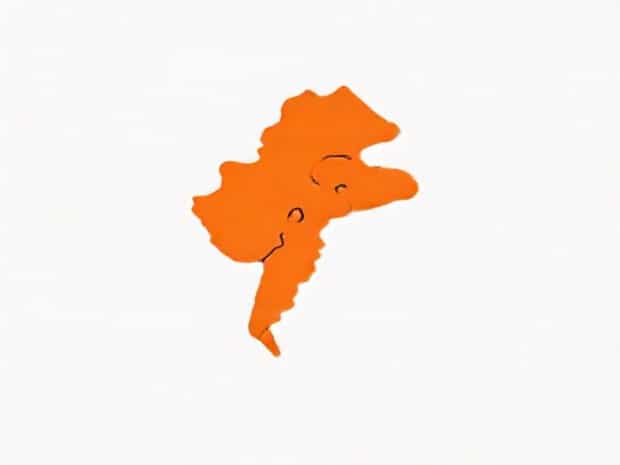
Jharkhand Gk In English
Jharkhand, located in eastern India, is a state known for its rich cultural heritage, natural resources, and unique tribal traditions. It is one of the youngest states of India, carved out of Bihar in the year 2000. Learning Jharkhand GK in English helps students, aspirants, and curious readers understand the state’s history, geography, politics, and important facts. The state plays a key role in India’s industrial and cultural landscape, making it an important subject for general knowledge and competitive exams.
History of Jharkhand
The history of Jharkhand is deeply connected with tribal communities and their resistance against foreign and local rulers. The word Jharkhand means land of forests, and historically it has been inhabited by tribal groups like Santhals, Mundas, and Oraons. These communities played a vital role in the freedom struggle and in resisting colonial exploitation.
Formation of the State
Jharkhand was officially formed on 15 November 2000, on the birth anniversary of Birsa Munda, a tribal freedom fighter. Before that, the region was part of Bihar. The demand for a separate state was based on cultural identity, resource management, and the desire for political recognition of tribal people.
Geography of Jharkhand
Geographically, Jharkhand is rich and diverse. The state is covered with forests, hills, rivers, and mineral reserves. It shares its borders with Bihar, Uttar Pradesh, Chhattisgarh, Odisha, and West Bengal.
Major Rivers
- Damodar River
- Subarnarekha River
- Koel River
- Mayurakshi River
These rivers provide irrigation and hydroelectric power, supporting agriculture and industries in the state.
Forests and Wildlife
Jharkhand is known for its dense forests and wildlife sanctuaries. Important forests include Saranda and Palamu. Wildlife sanctuaries and national parks like Betla National Park and Hazaribagh Wildlife Sanctuary are home to elephants, tigers, leopards, and several bird species.
Economy and Natural Resources
Jharkhand is often called the mineral hub of India because it is rich in coal, iron ore, copper, mica, and uranium. A large part of India’s steel industry depends on the minerals from Jharkhand.
Industries in Jharkhand
- Steel industry – Jamshedpur is home to Tata Steel, one of the largest steel plants in Asia.
- Coal mining – The Damodar Valley region is famous for coal mining.
- Thermal power plants – Several coal-based power plants provide electricity to the region.
- Handicrafts – Tribal handicrafts and bamboo products are significant local industries.
Culture and Traditions
The culture of Jharkhand reflects the traditions of its tribal population. Folk dances, music, and festivals are an integral part of life. Each community has its own unique style of dance, often performed during harvest seasons and religious events.
Popular Festivals
- Sarhul – Celebrated by tribal communities to honor nature and forests.
- Karma – A festival of brotherhood and prosperity.
- Tusu – Celebrated during harvest time, especially in rural areas.
- Chhath Puja – Widely observed by non-tribal populations as well.
Languages Spoken
While Hindi is the official language, several regional languages are spoken across Jharkhand, such as
- Santhali
- Kurukh
- Ho
- Nagpuri
- Bengali
Important Cities of Jharkhand
Jharkhand has several important cities that contribute to its economy, culture, and politics.
- Ranchi– The capital city, known for its scenic beauty and industrial growth.
- Jamshedpur– An industrial hub with Tata Steel and other factories.
- Dhanbad– Famous as the Coal Capital of India.
- Bokaro– Known for the Bokaro Steel Plant, one of the largest in the country.
- Hazaribagh– Famous for its natural beauty and wildlife.
Famous Personalities from Jharkhand
Jharkhand has produced several notable personalities who have contributed in fields like politics, sports, and culture.
- Birsa Munda– A tribal freedom fighter and revered leader.
- MS Dhoni– Former Indian cricket team captain, born in Ranchi.
- Jaipal Singh Munda– A politician and hockey player who led India’s first Olympic gold medal-winning team in 1928.
- Kunjal Kumari– A well-known folk singer and cultural icon of the state.
Politics and Governance
The political structure of Jharkhand includes a legislative assembly, governor, and chief minister. Political issues in the state often revolve around tribal rights, development, and resource management.
Key Facts
- Current capital – Ranchi
- High Court – Located in Ranchi
- Total districts – 24
- Date of formation – 15 November 2000
Education in Jharkhand
Jharkhand has made progress in education with the establishment of several important institutions. Students preparing for competitive exams often study Jharkhand GK in English to get a better understanding of the state’s educational system and achievements.
Major Institutions
- Indian Institute of Management (IIM), Ranchi
- Indian School of Mines (ISM), Dhanbad, now IIT (ISM)
- Birla Institute of Technology, Mesra
- National University of Study and Research in Law (NUSRL), Ranchi
Tourism in Jharkhand
The natural beauty of Jharkhand attracts tourists from across the country. With hills, waterfalls, temples, and wildlife, the state offers diverse experiences.
Popular Tourist Spots
- Dassam Falls – A scenic waterfall near Ranchi.
- Hundru Falls – Another famous waterfall in Ranchi district.
- Parasnath Hill – A major pilgrimage site for Jains.
- Netarhat – Known as the Queen of Chotanagpur.
- Deoghar – Famous for the Baidyanath temple, one of the twelve Jyotirlingas.
Jharkhand is a state full of history, culture, and natural wealth. Its forests, minerals, and traditions make it unique in the Indian context. Understanding Jharkhand GK in English is essential for students, job aspirants, and anyone interested in the diversity of India. From its tribal roots to its modern industries, Jharkhand continues to play an important role in shaping the nation’s identity and progress.