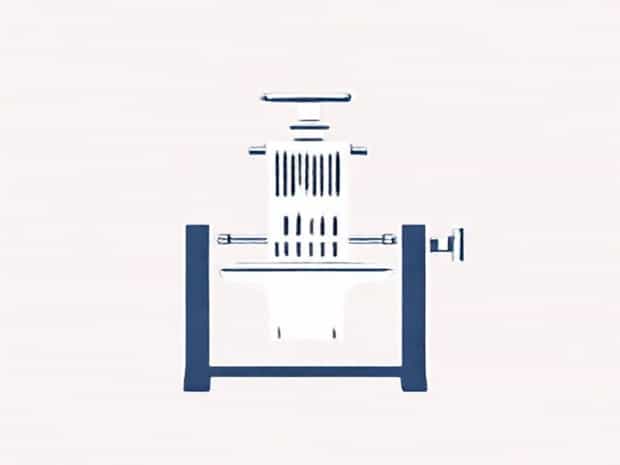
Jet Dyeing Machine Diagram
Textile dyeing has evolved significantly over the years, and one of the most efficient methods used in modern textile industries is jet dyeing. Jet dyeing machines are known for their high efficiency, uniform dyeing, and ability to handle delicate fabrics without causing damage. Understanding the layout and function of a jet dyeing machine is crucial for textile engineers, technicians, and anyone involved in the fabric production process. A jet dyeing machine diagram provides a clear representation of its components, helping users grasp how fabric moves through the system, how dyes are circulated, and how temperature and pressure are controlled to achieve consistent results.
Overview of a Jet Dyeing Machine
A jet dyeing machine is a type of high-pressure, high-temperature textile dyeing equipment used to dye knitted and woven fabrics. It operates on the principle of circulating dye liquor under pressure, ensuring that the fabric is evenly exposed to the dye. Jet dyeing machines are suitable for a variety of fibers, including cotton, polyester, silk, and blends. They are widely used in industrial settings because they offer precise control over dye concentration, temperature, and liquor flow, leading to excellent color uniformity and reduced water and energy consumption compared to traditional dyeing methods.
Main Components of a Jet Dyeing Machine
The diagram of a jet dyeing machine typically includes several essential components, each playing a critical role in the dyeing process. These components work together to move fabric through the machine, circulate dye liquor, and maintain the correct temperature and pressure. The key parts include
- Fabric CarrierThis part holds the fabric, often in rope or open-width form, and moves it through the dye liquor at controlled speeds.
- Jet NozzleThe nozzle propels fabric through the machine using the circulating dye liquor, ensuring even exposure to the dye.
- Dye Liquor TankThe reservoir that contains the dye solution, equipped with a circulation system to maintain a consistent flow.
- Circulation PumpResponsible for moving the dye liquor through the machine and the jet nozzle, creating the necessary pressure for uniform dyeing.
- Heating SystemHeaters maintain the dye liquor at the required temperature, which is crucial for proper dye absorption and fixation.
- Pressure VesselThe chamber where fabric and dye liquor interact under high pressure, enabling high-temperature dyeing for synthetic fibers.
- Control PanelAllows operators to monitor and adjust temperature, pressure, liquor ratio, and circulation speed, ensuring precise control over the dyeing process.
- Exhaust and Drain SystemFacilitates the removal of used dye liquor and steam, ensuring safety and efficiency in operation.
Functioning of a Jet Dyeing Machine
The jet dyeing process begins by loading the fabric into the machine, which is then circulated through the dye liquor under high pressure. The dye liquor, maintained at a specific temperature and flow rate, passes through the jet nozzle, propelling the fabric continuously. This circulation ensures that each portion of the fabric is exposed to the dye evenly, preventing streaks or uneven coloration. The closed-loop system minimizes water usage, reduces energy consumption, and allows precise control of dye concentration and temperature.
Fabric Movement and Dye Circulation
In the diagram, the fabric enters the circulation loop through the fabric inlet and passes through the jet nozzle multiple times. The nozzle accelerates the fabric, creating a high-velocity flow that ensures proper penetration of dye molecules into the fibers. The circulation pump maintains a steady flow of dye liquor from the tank to the nozzle and back, creating a continuous loop. This system allows for high-speed dyeing while protecting delicate fabrics from mechanical damage.
Temperature and Pressure Control
Temperature and pressure are critical factors in jet dyeing. The heating system, often connected to the pressure vessel, maintains the dye liquor at the required temperature, which varies depending on the type of fiber and dye. Synthetic fibers like polyester require high-temperature dyeing under pressurized conditions to achieve proper dye fixation. The pressure vessel ensures that the fabric remains in contact with the dye liquor under controlled pressure, improving dye penetration and color consistency.
Advantages of Using Jet Dyeing Machines
- Uniform DyeingContinuous circulation and high-velocity fabric movement ensure even color distribution without streaks or patchiness.
- Energy EfficiencyReduced water and energy consumption compared to traditional dyeing methods due to the closed-loop system.
- VersatilitySuitable for various fabric types, including delicate, knitted, woven, and synthetic fabrics.
- High ProductivityCapable of dyeing large quantities of fabric in shorter timeframes with consistent results.
- Minimal Fabric DamageThe gentle movement of fabric through the nozzle reduces mechanical stress and preserves fabric integrity.
Maintenance and Safety Considerations
Regular maintenance of a jet dyeing machine is essential to ensure consistent performance and prevent breakdowns. Key maintenance tasks include cleaning the jet nozzle, checking the circulation pump, monitoring the pressure vessel for leaks, and inspecting the heating system. Safety is also critical, as the machine operates under high pressure and temperature. Operators must follow standard safety protocols, including wearing protective gear and ensuring proper ventilation to handle steam and chemicals safely.
Common Applications
Jet dyeing machines are widely used in the textile industry for various applications. They are ideal for dyeing knitted fabrics such as T-shirts, sportswear, and hosiery. Woven fabrics like cotton, silk, and blends also benefit from the uniformity and efficiency of jet dyeing. Additionally, synthetic fibers, including polyester and nylon, are commonly dyed in jet dyeing machines due to their requirement for high-temperature, pressurized dyeing conditions. The versatility and reliability of these machines make them an integral part of modern textile production.
Environmental Benefits
Modern jet dyeing machines are designed with environmental considerations in mind. The closed-loop circulation system minimizes water waste and reduces chemical discharge. Efficient heating and pressure control lower energy consumption, contributing to sustainable textile manufacturing practices. By optimizing resource usage while maintaining high-quality dyeing, jet dyeing machines play a role in reducing the environmental footprint of textile production.
The jet dyeing machine diagram serves as a valuable tool for understanding the complex process of high-speed, high-efficiency fabric dyeing. By visualizing the components and their interactions, operators and engineers can optimize machine performance, ensure consistent color quality, and maintain safety standards. Jet dyeing machines combine advanced technology, precision control, and environmental efficiency, making them an essential asset in modern textile manufacturing.
Understanding how fabric moves through the machine, how dye liquor circulates, and how temperature and pressure are controlled allows for improved troubleshooting, better process optimization, and reduced production costs. As the textile industry continues to evolve, jet dyeing machines will remain a cornerstone of efficient, high-quality fabric dyeing processes.
By studying the jet dyeing machine diagram and familiarizing themselves with its components, textile professionals can make informed decisions about machine operation, maintenance, and process adjustments. The combination of efficiency, versatility, and environmental benefits ensures that jet dyeing machines will continue to play a vital role in textile production worldwide.
Ultimately, a clear understanding of the jet dyeing machine, guided by its diagram, empowers operators to achieve consistent, high-quality results, supporting the demands of modern textile industries while maintaining sustainability and operational efficiency.