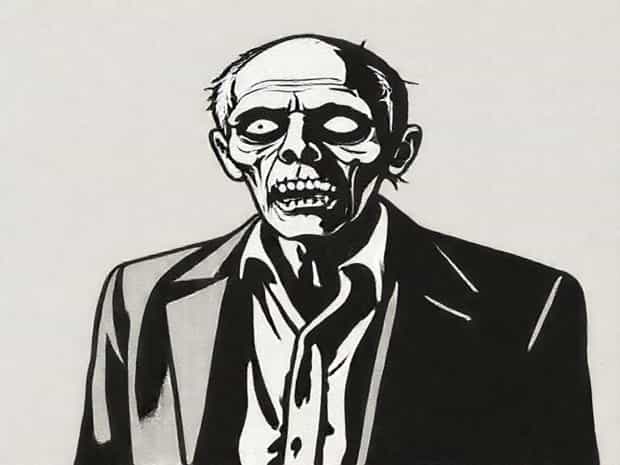
Jerry Saltz Zombie Formalism
Jerry Saltz, a prominent contemporary art critic, has sparked extensive discussion and debate with his critique of what he terms zombie formalism,” a phenomenon in the contemporary art world where paintings and other works prioritize style and surface over meaning, emotion, or social engagement. Saltz’s analysis challenges both artists and collectors to reconsider the value of works that emphasize visual patterning, repetition, and market-friendly aesthetics while lacking deeper conceptual or expressive content. The term “zombie formalism” itself suggests a lifelessness beneath a polished exterior, critiquing the hollow imitation of formal techniques without the vitality or intent that historically defined impactful art. Understanding Saltz’s perspective on this trend provides insight into the ongoing conversation about the state of contemporary painting, the art market, and the responsibilities of artists, critics, and collectors alike.
Defining Zombie Formalism
Zombie formalism refers to a trend primarily seen in contemporary painting, characterized by works that mimic the formal qualities of abstract expressionism, minimalism, or geometric abstraction without the accompanying conceptual depth or personal expression. These works often feature repetitive patterns, color fields, and simplified forms, producing visually pleasing but emotionally or intellectually unengaging pieces. According to Jerry Saltz, the term captures the idea that while these paintings appear alive with form and color, they are effectively “dead” in terms of content and significance, appealing more to market demands than to cultural or artistic discourse.
Key Characteristics
Works classified under zombie formalism typically share several traits
- Emphasis on surface aesthetics and formal composition rather than narrative or concept
- Repetition of patterns, shapes, or techniques with minimal variation
- Neutral or generic emotional tone, avoiding explicit expression or engagement
- Production geared toward gallery or collector preferences rather than critical exploration
- Detachment from socio-political commentary or personal artistic voice
These features, while producing visually appealing works, have prompted critics like Saltz to question whether the art world is prioritizing marketability over genuine creativity.
Jerry Saltz’s Critique
Jerry Saltz has been vocal about the implications of zombie formalism on contemporary painting. He argues that this trend reflects a broader commercialization of the art world, where works are produced to satisfy collectors’ tastes, increase market value, and conform to trends rather than to communicate ideas or push artistic boundaries. Saltz contends that this focus on formal mimicry and style results in a proliferation of artworks that lack depth, substance, or personal expression, effectively reducing painting to a decorative commodity. He also emphasizes the risk of these works overshadowing more meaningful, innovative, or challenging artistic practices in galleries and exhibitions.
Impact on Artists and the Art Market
The rise of zombie formalism has significant implications for both artists and the art market. Emerging artists may feel pressured to adopt a similar approach to achieve commercial success, potentially sacrificing originality or personal vision. Collectors, in turn, may inadvertently encourage this trend by prioritizing recognizable visual styles and market-friendly aesthetics. Saltz warns that while the market may temporarily reward zombie formalist works, their cultural and historical value is limited, and over-reliance on this approach can lead to a homogenized art scene lacking innovation and depth.
Historical Context
While zombie formalism is a contemporary term, Saltz situates it within a historical lineage of art movements. He contrasts these works with the original impulses behind abstract expressionism, minimalism, and conceptual art, which were grounded in strong personal, social, or philosophical motivations. Whereas the masters of these movements pursued expressive freedom, emotional intensity, or intellectual engagement, zombie formalist works often prioritize aesthetics over intent. This historical perspective highlights the tension between formal innovation and the pursuit of genuine meaning in art.
Critical Responses
Saltz’s identification of zombie formalism has provoked discussion and debate among critics, curators, and artists. Some defend these works as valid expressions of contemporary aesthetic exploration, arguing that simplicity, repetition, and surface focus can convey subtle emotional or conceptual layers. Others support Saltz’s critique, acknowledging the danger of market-driven art overshadowing more substantive practices. This dialogue reflects broader concerns about authenticity, artistic integrity, and the role of criticism in shaping both cultural discourse and market dynamics.
Examples in Contemporary Art
Zombie formalism is often associated with younger generations of painters who emerged in the early 2000s, frequently exhibiting in galleries in major art hubs such as New York and Los Angeles. Common examples include works that
- Use large, flat color fields with minimal variation
- Employ repetitive geometric patterns without narrative context
- Replicate the visual language of abstract masters without introducing new ideas
While visually engaging, these works exemplify the formal mimicry that Saltz critiques, emphasizing aesthetic appeal over deeper engagement.
Implications for Art Criticism
Jerry Saltz’s critique of zombie formalism underscores the importance of critical discourse in the contemporary art world. By naming and analyzing this trend, Saltz encourages critics, curators, and collectors to look beyond surface appeal and consider the conceptual, emotional, and cultural significance of artworks. His critique also challenges artists to pursue originality, authenticity, and meaningful expression, rather than simply catering to market trends.
Zombie formalism, as identified by Jerry Saltz, represents a critical moment in contemporary painting where style and surface often overshadow substance and depth. Through his analysis, Saltz highlights the risks of market-driven art production, the potential stifling of genuine creativity, and the need for ongoing critical evaluation. While visually appealing, these works often lack the vitality, conceptual rigor, and emotional resonance that have historically defined impactful art. By engaging with Saltz’s critique, artists, collectors, and critics are encouraged to prioritize meaningful artistic expression and to be mindful of the ways market forces can shape creative production. The discussion surrounding zombie formalism continues to influence contemporary art discourse, underscoring the ongoing tension between commercial appeal and authentic artistic innovation in today’s art world.