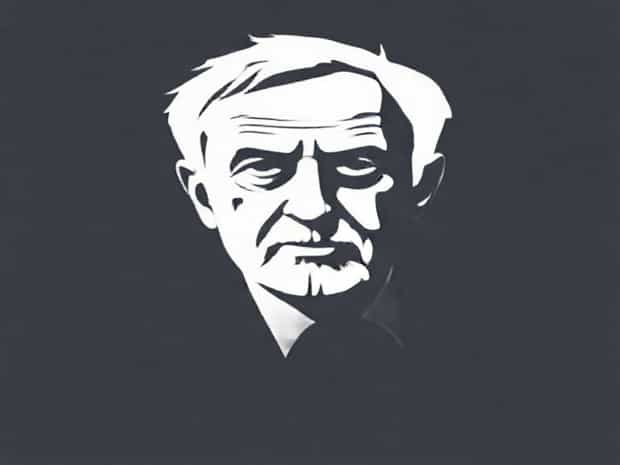
Jeremy Corbyn’S Expulsion Explained
Jeremy Corbyn, the former leader of the UK Labour Party, has been a figure of considerable controversy within British politics, and his expulsion from the party has drawn widespread attention and debate. The decision to expel Corbyn was not made lightly and has roots in long-standing internal disputes, ideological divisions, and allegations that have surrounded his tenure and post-leadership activities. Understanding the context and reasoning behind this unprecedented move requires examining the Labour Party’s internal processes, the political climate at the time, and the specific events that triggered the expulsion.
Background on Jeremy Corbyn
Jeremy Corbyn served as the leader of the Labour Party from 2015 to 2020, becoming known for his left-wing policies and his strong advocacy for social justice, public ownership of key industries, and international peace initiatives. His leadership style differed markedly from his predecessors, emphasizing grassroots activism and prioritizing party members’ engagement in policy formulation. While he gained a substantial following among younger voters and progressive activists, his tenure was also marked by controversies that challenged the party’s unity.
Key Policies and Leadership Style
- Economic PoliciesCorbyn advocated for wealth redistribution, nationalization of key sectors such as rail and energy, and increased social spending to reduce inequality.
- Foreign PolicyHe emphasized diplomacy over military intervention and supported human rights initiatives globally.
- Party ReformCorbyn sought to empower grassroots members, allowing them greater influence over candidate selections and policy platforms.
Despite these initiatives, his leadership faced criticism from within the party, particularly from MPs and party members who questioned his handling of internal disputes and public controversies.
Events Leading to the Expulsion
The expulsion of Jeremy Corbyn can be traced to several interconnected issues. The primary catalyst involved allegations of antisemitism within the Labour Party during his leadership. The party faced multiple investigations and was criticized for its slow and inconsistent response to complaints. Corbyn’s handling of these issues, including his public statements and actions, became a focal point of internal party tension.
Labour Party’s Internal Investigations
Between 2015 and 2020, Labour faced numerous allegations of antisemitism among its members. Corbyn, as leader, was expected to address these complaints effectively. Several internal reports concluded that while Corbyn personally did not harbor antisemitic views, his responses to complaints and statements were insufficient in demonstrating strong condemnation of antisemitism. This perceived inaction and the resulting public perception created divisions between Corbyn and other party members, particularly MPs who were vocal about restoring trust and credibility.
Official Reasons for the Expulsion
Corbyn’s expulsion was formally announced after the Labour Party’s disciplinary processes determined that his public comments and behavior since leaving the leadership breached party rules. The party cited concerns that his actions undermined Labour’s values and harmed its reputation. Specifically, the decision was influenced by
- Public StatementsCorbyn made remarks that were interpreted as dismissive of internal complaints and critical of the party’s handling of antisemitism investigations.
- Party Rules ViolationsThe Labour Party determined that Corbyn’s comments violated codes of conduct expected from members, particularly former leaders who continue to represent the party publicly.
- Reputational ConcernsThe ongoing public disputes and Corbyn’s media engagements were seen as creating division within the party, affecting its ability to present a united front ahead of future elections.
Reactions to the Expulsion
The expulsion of Jeremy Corbyn sparked a wide range of reactions, reflecting the deep political divisions within the Labour Party and the broader UK political landscape. Supporters of the decision argued that it was necessary to restore credibility, uphold party rules, and address the ongoing fallout from antisemitism allegations. Critics, however, claimed that the expulsion was politically motivated, aiming to marginalize Corbyn’s ideological influence within the party and suppress left-wing perspectives.
Supporters’ Perspective
- Argue that the decision demonstrates accountability and adherence to party rules.
- View the move as necessary to rebuild public trust in Labour and distance the party from controversy.
- Emphasize the importance of protecting the party’s reputation in upcoming elections.
Critics’ Perspective
- Claim the expulsion undermines internal party democracy by silencing dissenting voices.
- Suggest the decision reflects broader ideological battles, marginalizing Corbyn’s left-wing policies.
- Express concern that such actions could deepen divisions among party members and supporters.
Implications for the Labour Party
Jeremy Corbyn’s expulsion has far-reaching implications for the Labour Party. The decision highlights the party’s struggle to balance accountability, ideological diversity, and unity. It also signals the challenges leaders face in navigating internal disputes while maintaining public trust. Key implications include
- Internal Party DynamicsThe expulsion may shift the balance of power within the party, favoring centrist voices over left-wing factions.
- Electoral ConsiderationsLabour’s public image and ability to attract voters may be affected by perceptions of internal conflict and ideological purges.
- Policy DirectionThe move may influence the party’s future policy positions, potentially moving toward more moderate platforms to appeal to a broader electorate.
Historical Context and Comparisons
While Jeremy Corbyn’s expulsion is unprecedented in recent Labour Party history, it is not entirely unique in global political contexts. Political parties often face difficult decisions when former leaders engage in actions perceived as damaging to party integrity or reputation. Comparisons can be drawn to other political parties worldwide where disciplinary actions against high-profile figures have been used to enforce rules, maintain unity, and navigate ideological conflicts.
Lessons for Political Leadership
- Highlight the importance of addressing internal controversies promptly and transparently.
- Demonstrate that public perception and media scrutiny can have significant consequences for party cohesion.
- Emphasize the delicate balance between maintaining ideological diversity and enforcing party discipline.
Jeremy Corbyn’s expulsion from the Labour Party marks a significant moment in British political history, reflecting ongoing tensions over leadership accountability, ideological alignment, and the handling of sensitive issues such as antisemitism. While the decision has supporters who argue it protects the party’s integrity, it also has critics who view it as politically motivated and potentially divisive. Understanding the background, reasons, and implications of Corbyn’s expulsion provides a clearer picture of the challenges faced by modern political parties in maintaining unity, credibility, and effective governance in the contemporary political landscape.