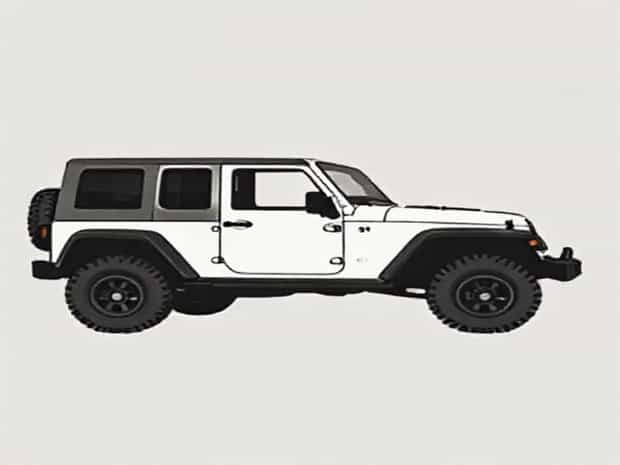
Jeep Wrangler Expensive To Maintain
The Jeep Wrangler is a legendary off-road vehicle known for its rugged design, iconic style, and exceptional off-road capabilities. However, many owners often find themselves questioning whether the Wrangler is expensive to maintain. From regular oil changes to specialized off-road repairs, the costs associated with owning a Jeep Wrangler can be higher than typical passenger vehicles. Understanding the reasons behind these expenses, including parts, labor, and maintenance requirements, is essential for both prospective buyers and current owners. By exploring the factors that contribute to the cost of maintaining a Jeep Wrangler, owners can make informed decisions and better plan their automotive budget while enjoying the benefits of one of the most versatile and durable SUVs on the market.
Factors Contributing to Maintenance Costs
There are several key factors that make maintaining a Jeep Wrangler potentially expensive compared to other vehicles. These include the vehicle’s design, off-road capabilities, availability of parts, and the need for specialized labor.
Complex Off-Road Systems
The Jeep Wrangler is built to handle extreme terrains, including mud, rocks, snow, and sand. To achieve this, it is equipped with specialized suspension systems, four-wheel-drive components, and heavy-duty axles. These systems, while enhancing off-road performance, require regular maintenance and can be costly to repair if damaged. Components like differential gears, transfer cases, and sway bars may wear faster under off-road conditions, leading to higher maintenance expenses.
Parts Availability and Cost
Jeep Wrangler parts are often more expensive than standard vehicle components. This includes both OEM (Original Equipment Manufacturer) parts and aftermarket upgrades. Replacement parts such as high-performance shocks, tires, and brake components designed for rugged use can be significantly more costly than parts for a typical SUV. Additionally, older Jeep Wrangler models may have limited parts availability, increasing costs for rare or discontinued components.
Labor Costs
Due to the Wrangler’s specialized design, certain repairs and maintenance tasks require experienced mechanics familiar with off-road systems. Labor rates for these services are typically higher than for standard vehicles. Tasks like replacing a transfer case, repairing a suspension lift, or performing axle work can be time-intensive and require skilled labor, which adds to the overall maintenance cost.
Common Maintenance Expenses
Understanding the most common maintenance expenses associated with Jeep Wranglers can help owners anticipate costs and budget effectively. Routine maintenance, tire replacement, and off-road repairs are among the major contributors.
Oil Changes and Fluid Checks
Regular oil changes are essential for keeping a Jeep Wrangler running smoothly. Due to the larger engine sizes in many Wranglers, oil capacity is higher, which can increase the cost of each oil change. In addition to engine oil, other fluids such as transmission fluid, brake fluid, and differential oil must be regularly checked and replaced to prevent wear and damage.
Tire Replacement
Tires on a Jeep Wrangler are often larger and designed for off-road use, making them more expensive than standard SUV tires. Owners who frequently drive off-road may need to replace tires more often due to increased wear from rough terrain. Specialized tires like all-terrain or mud-terrain options can cost several hundred dollars each, adding significantly to maintenance costs.
Brake Maintenance
The Jeep Wrangler’s weight and off-road usage put extra stress on the braking system. Brake pads, rotors, and calipers may wear faster under these conditions. Regular inspections and replacements are necessary to ensure safe braking, and high-performance components can increase the cost compared to standard vehicles.
Suspension and Steering Components
Off-road adventures can take a toll on suspension and steering components. Shocks, struts, ball joints, and control arms may wear faster when navigating uneven terrain. Maintaining these parts in optimal condition is critical for both safety and performance. Replacing suspension components can be costly, especially when opting for high-quality aftermarket upgrades designed for extreme off-road use.
Preventive Maintenance Strategies
While Jeep Wrangler maintenance can be expensive, preventive measures can help reduce overall costs and extend the life of the vehicle. Regular inspections, proper lubrication, and timely repairs are key strategies.
Regular Inspections
- Check suspension and steering components for wear.
- Inspect tires for uneven wear and proper inflation.
- Examine brake systems for pads, rotors, and caliper condition.
- Monitor fluid levels and look for leaks in engine, transmission, and differentials.
Use of High-Quality Fluids and Parts
Investing in high-quality oils, lubricants, and replacement parts can reduce wear and prevent premature failure. Premium components may have a higher upfront cost but can save money in the long run by reducing the frequency of repairs and replacements.
Off-Road Driving Practices
Moderating extreme off-road driving and avoiding unnecessary stress on the vehicle can help minimize wear on critical components. While the Wrangler is designed for rugged use, responsible driving can extend the life of tires, suspension, and drivetrain systems.
Extended Warranty and Maintenance Plans
For owners concerned about maintenance costs, considering an extended warranty or Jeep maintenance plan may provide peace of mind. These plans can cover routine maintenance, repairs, and certain parts replacements, potentially offsetting the higher costs associated with the Wrangler.
Benefits of Extended Warranty
- Reduces unexpected repair costs for major components.
- Provides coverage for off-road-related damage in some plans.
- Offers access to authorized Jeep service centers with trained technicians.
Maintenance Packages
Some dealerships offer maintenance packages that cover scheduled services like oil changes, tire rotations, and fluid replacements. These packages can simplify budgeting and ensure the Jeep is maintained according to manufacturer guidelines.
The Jeep Wrangler is a remarkable off-road vehicle that offers exceptional capability and iconic style, but these benefits come with higher maintenance costs compared to standard SUVs. Factors such as complex off-road systems, specialized parts, and labor requirements contribute to the expense. Routine maintenance, tire and brake replacement, and suspension care are key contributors to the overall cost. However, preventive maintenance strategies, careful driving habits, and the use of extended warranties or maintenance plans can help manage expenses effectively. Understanding why a Jeep Wrangler is expensive to maintain allows owners to plan their budget and enjoy the unmatched performance and adventure that the Wrangler delivers, while keeping maintenance manageable and the vehicle in top condition for years to come.