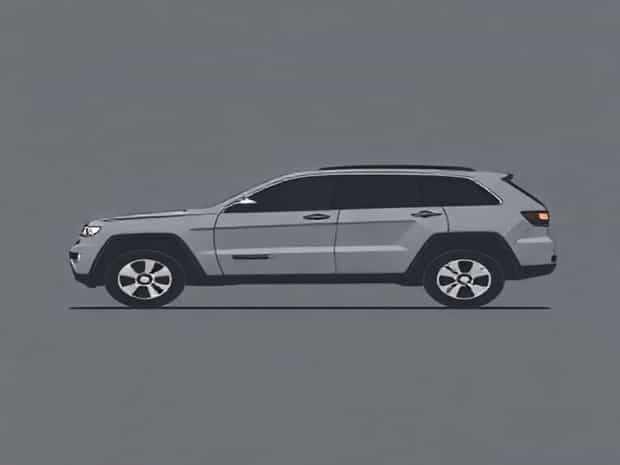
Jeep Grand Cherokee Downshift Problem
The Jeep Grand Cherokee is a popular midsize SUV known for its rugged design, off-road ability, and luxury features. However, like many vehicles equipped with advanced automatic transmissions, some drivers have reported issues with downshifting. A Jeep Grand Cherokee downshift problem can manifest in several ways, including rough gear changes, delayed responses, or sudden jerks while slowing down. Understanding the possible causes, symptoms, and solutions helps owners address these issues before they lead to costly repairs or unsafe driving conditions.
Common Symptoms of Downshift Problems
Owners who experience Jeep Grand Cherokee downshift problems usually notice the issue during normal driving, especially when decelerating or coming to a stop. Some of the most reported symptoms include
- Harsh or Jerky DownshiftsThe transmission shifts abruptly when moving from higher to lower gears.
- Delayed ResponseThe SUV hesitates before downshifting, causing sluggish acceleration or awkward slowing.
- Unexpected Gear ChangesThe vehicle downshifts without reason, even when cruising steadily.
- Noise or VibrationClunking sounds or shudders occur when gears shift downward.
- Transmission Warning LightIn some cases, the dashboard may display a warning related to transmission performance.
Possible Causes of Downshifting Issues
The Jeep Grand Cherokee uses complex automatic transmissions, including the 8-speed ZF gearbox in newer models. Several factors can contribute to downshift problems
Transmission Software Issues
Modern Grand Cherokees rely on electronic control modules to manage shifting patterns. A software glitch may cause irregular downshifts, delayed gear engagement, or improper timing.
Low or Contaminated Transmission Fluid
Automatic transmissions require clean and sufficient fluid to function properly. Dirty or low transmission fluid can lead to slipping, overheating, or difficulty downshifting.
Worn Clutches or Bands
Inside the transmission, clutches and bands engage gears. If they wear out, gear shifts may feel harsh or inconsistent.
Faulty Sensors
Sensors such as the throttle position sensor, vehicle speed sensor, or transmission range sensor play a critical role in gear timing. A faulty sensor may send incorrect signals to the transmission control unit, leading to improper downshifts.
Valve Body Malfunction
The valve body directs fluid pressure to different parts of the transmission. If it becomes clogged or damaged, downshifting can become rough or delayed.
Generations Affected
While transmission problems can occur in any model year, Jeep Grand Cherokee downshift problems are more commonly reported in certain versions
- 2014-2020 modelsEquipped with the ZF 8-speed automatic transmission, some owners noted rough shifting or hesitation, especially after software updates.
- Older models (2005-2010)With 5-speed automatics, issues often involved worn parts or fluid contamination.
Diagnosing Downshift Problems
Accurate diagnosis is key to solving Jeep Grand Cherokee transmission issues. Steps typically include
- Checking for error codes using an OBD-II scanner.
- Inspecting transmission fluid for level, color, and smell.
- Testing sensors and electrical connections for faults.
- Conducting a road test to observe shifting behavior under different conditions.
Solutions to Downshift Issues
Once the root cause is identified, solutions may range from simple maintenance to complex repairs
Transmission Fluid Service
Replacing old or contaminated transmission fluid often resolves minor shifting issues. Jeep recommends using manufacturer-approved fluid to maintain performance.
Software Updates or Reflashing
If the problem is electronic, dealerships can reprogram or update the transmission control module. This solution has helped many owners experiencing downshift hesitation.
Sensor Replacement
Faulty sensors should be replaced to restore accurate communication between the engine and transmission.
Valve Body Repair
A malfunctioning valve body may require cleaning, repair, or replacement to restore smooth downshifts.
Transmission Rebuild
In severe cases, a full rebuild or replacement may be necessary if internal components are too worn or damaged.
Preventing Future Problems
While some Jeep Grand Cherokee downshift problems are unavoidable, owners can reduce risks through preventive care
- Regularly check and replace transmission fluid as recommended.
- Avoid aggressive driving that puts extra strain on the transmission.
- Schedule software updates from authorized dealerships when available.
- Address warning lights or unusual noises immediately to prevent bigger issues.
Cost of Repairs
The cost of fixing downshift issues varies widely. A fluid change may cost around $150-$250, while software updates are often covered under warranty or service campaigns. Sensor replacements can range from $200-$500. More serious repairs like valve body replacement or transmission rebuilds may cost between $1,500 and $4,000, depending on the severity.
Owner Experiences and Complaints
Many Grand Cherokee owners have shared their experiences with downshift problems, often describing sudden jerks when slowing down or hesitation when accelerating again. Some report improvements after dealer software updates, while others required more extensive repairs. These shared experiences highlight the importance of addressing issues early before they worsen.
Is It Safe to Drive with Downshift Problems?
Driving with a downshift problem can be risky. Sudden jerks or delays in gear engagement may affect acceleration, braking, and overall vehicle control. While the Jeep Grand Cherokee remains drivable in many cases, it is recommended to have the issue inspected and repaired as soon as possible for safety and long-term reliability.
A Jeep Grand Cherokee downshift problem can be frustrating, but understanding the symptoms, causes, and solutions helps owners take the right action. From fluid maintenance and software updates to valve body repairs, there are multiple ways to address shifting issues before they lead to costly damage. Preventive care and prompt repairs not only improve driving comfort but also ensure the Jeep Grand Cherokee continues to deliver the performance and dependability it is known for.