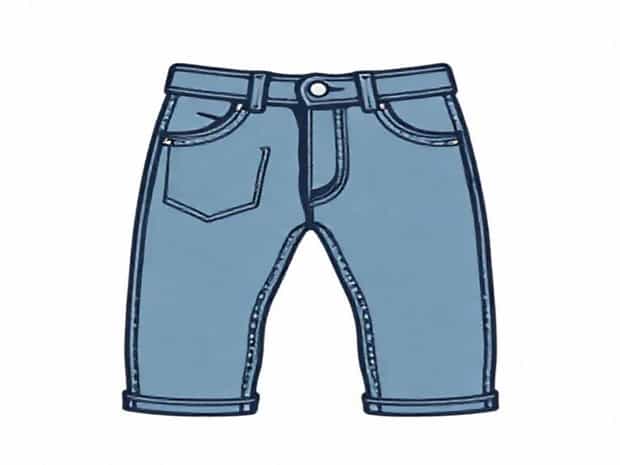
Jeans Are Made Of
Jeans are one of the most popular and enduring pieces of clothing in the world, recognized for their durability, versatility, and timeless style. They have become a wardrobe staple for people of all ages and cultures. While many appreciate their look and comfort, few stop to consider what jeans are made of and how their unique materials contribute to their functionality. Understanding the fabrics, fibers, and construction methods behind jeans can deepen appreciation for this everyday garment and highlight the combination of craftsmanship and innovation that makes them so resilient.
The Primary Material Denim
The most common fabric used in jeans is denim, a sturdy cotton twill textile. Denim is woven in a way that creates diagonal ribbing, giving the fabric strength and durability while maintaining flexibility. This weaving pattern also contributes to the classic appearance of jeans, including the visible diagonal lines on the fabric surface. Denim can be produced in various weights, textures, and finishes, allowing manufacturers to create jeans suited for different purposes, from heavy-duty workwear to fashion-forward styles.
Cotton The Core Fiber
Cotton is the foundational fiber used in making denim. Its natural softness, breathability, and durability make it ideal for everyday wear. High-quality cotton ensures that jeans are comfortable against the skin while remaining strong enough to withstand repeated use. The type of cotton used can vary, with long-staple cottons often preferred for premium jeans due to their smooth texture and minimal fraying. Cotton also absorbs dyes well, which is important for achieving the range of colors and finishes seen in modern jeans.
Additional Fibers and Blends
While traditional jeans are made entirely of cotton, many modern jeans incorporate additional fibers to improve stretch, comfort, and fit. Elastane, also known as spandex or Lycra, is commonly blended with cotton to create stretch denim. This blend allows jeans to conform to the body, providing flexibility and ease of movement. Polyester or other synthetic fibers may also be added to increase durability, reduce shrinkage, and enhance color retention. These blends enable jeans to maintain their shape and appearance over time.
- Elastane/SpandexProvides stretch and flexibility for a better fit.
- PolyesterIncreases durability and helps prevent shrinking.
- Other FibersOccasionally, fibers like rayon or lyocell are added for softness and drape.
The Role of Indigo Dye
Indigo dye is central to the classic look of blue jeans. Derived from natural or synthetic sources, indigo dye penetrates only the surface of cotton fibers, giving denim its characteristic fading over time. This fading contributes to the worn-in, vintage appearance that many denim enthusiasts appreciate. Different dyeing techniques, including rope dyeing or garment dyeing, can affect the texture, color depth, and aging properties of the jeans. The combination of denim weaving and indigo dyeing creates the iconic look that makes jeans instantly recognizable.
Construction Elements of Jeans
Jeans are more than just fabric; their construction involves various components that enhance durability and style. Traditional jeans feature reinforced stitching, metal rivets, and sturdy buttons, all designed to withstand stress and wear. The stitching is often done with thick, contrasting thread to ensure strength and durability while adding a distinctive design element. Rivets are placed at key stress points, such as pockets, to prevent tearing. Waistbands, belt loops, and hems are also reinforced to maintain shape and function over time.
Design Features and Functional Components
Jeans include multiple functional and stylistic features beyond basic stitching and fabric. Pockets, including the classic five-pocket design, provide utility and contribute to the overall aesthetic. Zippers or button flies are commonly used as closures, with high-quality options ensuring smooth operation and longevity. Many jeans also feature decorative elements, such as embroidery, distressing, or fading patterns, which enhance their visual appeal without compromising the core durability of the garment.
- Five-pocket designTraditional layout for utility and style.
- RivetsMetal reinforcements to prevent tearing at stress points.
- StitchingThick thread ensures durability and adds distinctive design elements.
- Waistbands and belt loopsReinforced to maintain structure and fit.
- Zippers or button fliesSecure closure systems with longevity.
Different Types of Denim Used in Jeans
Jeans are made from various types of denim, each offering different textures, weights, and characteristics. Raw denim is untreated and untreated, known for its stiffness and deep indigo color that fades uniquely over time. Washed denim has been pre-treated to soften the fabric and reduce shrinkage, providing immediate comfort and wearability. Stretch denim incorporates elastane for flexibility, while selvedge denim is woven on traditional shuttle looms, creating a tightly bound edge that resists unraveling. Each type of denim influences the final look, feel, and performance of the jeans.
Environmental Considerations
The production of jeans involves significant water, energy, and chemical use, particularly during cotton cultivation and denim dyeing. Many manufacturers are now adopting sustainable practices, such as organic cotton, water-saving dyeing methods, and recycled fibers. These initiatives aim to reduce the environmental footprint of jeans production while maintaining quality and durability. Consumers increasingly seek jeans made from sustainable materials, combining fashion with eco-conscious choices.
Understanding what jeans are made of highlights the intricate combination of materials, fibers, and construction techniques that contribute to their enduring popularity. At their core, jeans are crafted from durable cotton denim, often enhanced with synthetic fibers for stretch and resilience. Indigo dyeing, reinforced stitching, and functional design elements all play a role in creating jeans that are practical, stylish, and long-lasting. With different types of denim, including raw, washed, stretch, and selvedge, consumers can choose jeans that fit their needs and preferences. Additionally, the move toward sustainable materials reflects a growing awareness of environmental impact, ensuring that jeans remain a relevant, iconic garment for generations to come.