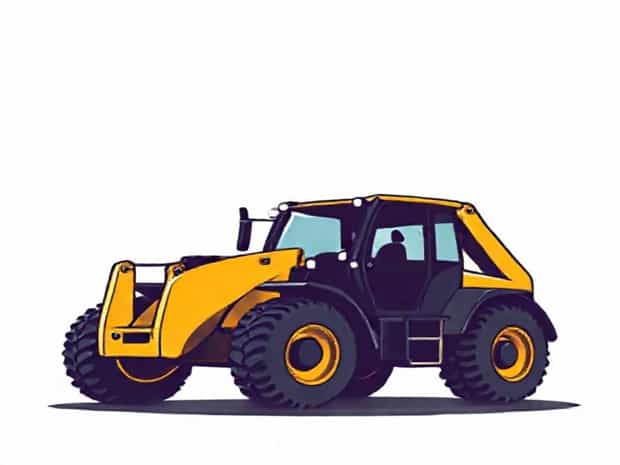
Jcb Telehandler Boom Won’T Retract
Operating a JCB telehandler is essential for construction, agriculture, and material handling tasks, but sometimes equipment issues can disrupt workflow. One common problem operators encounter is when the telehandler boom won’t retract. This issue can cause significant delays, create safety risks, and lead to potential damage if not addressed promptly. Understanding why a JCB telehandler boom won’t retract, recognizing the common causes, and knowing the appropriate troubleshooting steps is crucial for operators and maintenance personnel to ensure safe and efficient operation of the equipment.
Understanding the JCB Telehandler Boom
The boom on a JCB telehandler is the extendable arm used to lift, move, and place loads at various heights and distances. The telescopic nature of the boom allows it to extend and retract smoothly, providing versatility in handling tasks. Hydraulic systems primarily control the movement of the boom, making hydraulic pressure, cylinders, and control valves essential for proper operation. Any disruption in these components can prevent the boom from retracting effectively, which requires careful attention to diagnose and repair.
Function of the Hydraulic System
The hydraulic system in a JCB telehandler consists of hydraulic pumps, cylinders, valves, and hoses. When the operator moves the control lever, hydraulic fluid is directed to extend or retract the boom. The system relies on adequate fluid pressure and properly functioning components to operate smoothly. If the boom fails to retract, it often indicates a problem within the hydraulic system or associated mechanical parts.
Common Causes for Boom Not Retracting
Several factors can prevent a JCB telehandler boom from retracting. Identifying the root cause is critical to performing the correct repair and avoiding further damage. The most common causes include
1. Hydraulic Fluid Issues
- Low Hydraulic FluidInsufficient fluid levels can reduce system pressure, preventing the boom from moving correctly.
- Contaminated FluidDirt or water in the hydraulic fluid can clog valves and disrupt smooth operation.
- Air in the SystemAir pockets can cause erratic movement or prevent the boom from fully retracting.
2. Hydraulic Cylinder Problems
The hydraulic cylinders are critical for extending and retracting the boom. Common cylinder issues include leaks, worn seals, or bent rods, which can prevent proper movement. Inspecting the cylinder for visible damage and checking for hydraulic leaks are essential steps in diagnosing the problem.
3. Control Valve Malfunctions
Control valves direct hydraulic fluid to the appropriate parts of the boom system. If a valve is stuck, damaged, or blocked, it may prevent fluid from reaching the cylinder needed for retraction. Maintenance personnel should test the control valves and ensure they operate smoothly and respond to the operator’s commands.
4. Mechanical Obstructions
Sometimes, physical blockages or misalignment in the boom assembly can hinder retraction. This could include debris, bent sections, or worn guides. Visual inspection of the boom rails and mechanical connections can identify such issues, which can then be cleared or repaired.
5. Electrical or Sensor Failures
Modern JCB telehandlers often include sensors and electronic controls that interact with the hydraulic system. Faulty sensors, damaged wiring, or electronic malfunctions can prevent the boom from retracting, even if the hydraulic system is in perfect condition. Diagnostic tools can help detect electrical issues and identify the exact location of the problem.
Troubleshooting Steps
When dealing with a JCB telehandler boom that won’t retract, following a systematic troubleshooting process is key. Steps include
Step 1 Check Hydraulic Fluid Levels
Inspect the hydraulic fluid reservoir to ensure it is filled to the recommended level. If fluid levels are low, top up with the appropriate hydraulic oil. Also, check for contamination or unusual fluid color, which may indicate a need for replacement.
Step 2 Inspect Hydraulic Cylinders
Examine the boom cylinders for leaks, bent rods, or worn seals. If leaks are detected, the seals may need replacement, or the cylinder may require repair. Ensure that the rods are straight and move freely without obstruction.
Step 3 Test Control Valves
Operate the boom controls while observing the valves to ensure they respond correctly. If valves appear stuck or do not direct fluid properly, they may need cleaning, repair, or replacement. Hydraulic pressure testing can also reveal issues within the valve system.
Step 4 Look for Mechanical Obstructions
Perform a visual inspection along the boom rails and joints to identify debris or misalignment. Remove any foreign objects and check for bent or damaged components that may need straightening or replacement.
Step 5 Examine Electrical Components
For telehandlers equipped with electronic controls, use diagnostic tools to check sensor functionality and wiring connections. Replace or repair any faulty components to restore proper boom operation.
Preventive Maintenance Tips
Preventing boom retraction problems is often easier than repairing them. Regular maintenance can ensure smooth operation and reduce downtime. Key preventive measures include
- Regularly checking and topping up hydraulic fluid levels.
- Inspecting hydraulic cylinders and hoses for leaks or damage.
- Cleaning and lubricating control valves and boom joints.
- Performing periodic inspections of electronic sensors and wiring.
- Keeping the boom free from debris and mechanical obstructions.
When to Call a Professional
If troubleshooting does not resolve the issue, or if the problem involves major hydraulic or electronic failures, it is advisable to contact a certified JCB technician. Attempting complex repairs without proper expertise can lead to further damage or safety hazards. Professional service ensures the telehandler is restored to full functionality safely and efficiently.
A JCB telehandler boom that won’t retract can disrupt work and pose safety risks. Understanding the potential causes, such as hydraulic fluid issues, cylinder problems, control valve malfunctions, mechanical obstructions, or electronic failures, is crucial for proper diagnosis. Following systematic troubleshooting steps, performing preventive maintenance, and consulting professionals when needed can restore smooth operation and maintain the longevity of the telehandler. Ensuring the boom retracts reliably allows operators to work efficiently and safely in various construction and material handling tasks, minimizing downtime and maximizing productivity.