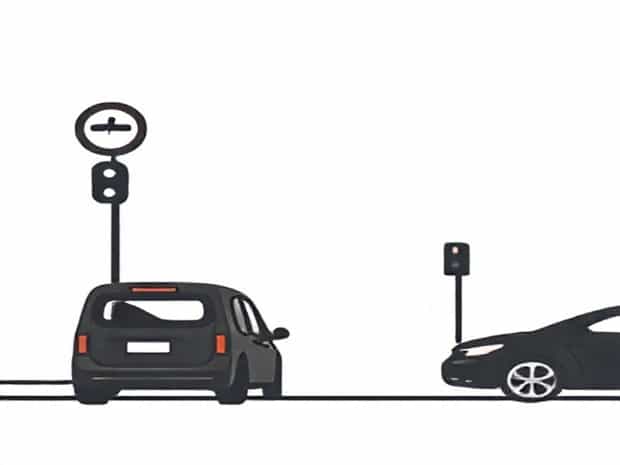
Janno Lieber Congestion Pricing
Janno Lieber, the CEO of the Metropolitan Transportation Authority (MTA) in New York, has become a central figure in the discussion of congestion pricing, a policy designed to reduce traffic congestion in urban areas while generating revenue for public transportation. Congestion pricing involves charging drivers a fee for entering certain high-traffic zones during peak hours, encouraging the use of alternative transportation modes such as subways, buses, and bikes. Under Lieber’s leadership, New York City’s congestion pricing initiative has gained momentum, aiming to alleviate gridlock, improve air quality, and fund critical infrastructure projects. Lieber’s approach emphasizes balancing economic, environmental, and social considerations to ensure the program is effective and equitable.
Understanding Congestion Pricing
Congestion pricing is an urban traffic management strategy implemented in major cities worldwide, including London, Singapore, and Stockholm. The primary goal is to reduce vehicular traffic in densely populated areas, particularly during peak commuting hours. By imposing fees for entering congested zones, cities can incentivize commuters to shift to public transportation, carpooling, or off-peak travel, thereby reducing traffic jams and pollution.
Economic Implications of Congestion Pricing
One of the major benefits of congestion pricing is its economic impact. By reducing traffic congestion, cities can increase productivity, decrease fuel consumption, and lower vehicle maintenance costs. The revenue generated from congestion fees can be reinvested into public transportation infrastructure, enhancing services such as subways, buses, and bike-sharing programs. Janno Lieber has highlighted the importance of using these funds to modernize transit systems, expand capacity, and improve accessibility for all commuters.
Environmental Benefits
Reducing the number of vehicles on the road also has significant environmental benefits. Congestion pricing helps decrease greenhouse gas emissions, lower air pollution levels, and promote sustainable transportation alternatives. Lieber has emphasized that the program aligns with broader climate goals, contributing to a cleaner, healthier urban environment and mitigating the effects of climate change in New York City.
Janno Lieber’s Role in Congestion Pricing
As MTA CEO, Janno Lieber has played a pivotal role in planning, advocating, and implementing congestion pricing in New York City. His leadership focuses on ensuring that the policy is both practical and fair, addressing concerns from various stakeholders, including commuters, businesses, and community groups.
Stakeholder Engagement
Lieber has prioritized engaging with multiple stakeholders to build support for congestion pricing. Public forums, community meetings, and consultations with business leaders have been central to his approach. By listening to concerns about affordability, traffic diversion, and the impact on small businesses, Lieber has sought to design a system that balances revenue generation with social equity.
Infrastructure and Technology
Effective congestion pricing requires sophisticated technology for monitoring traffic and collecting fees. Lieber has overseen the deployment of cameras, sensors, and automated tolling systems to ensure accurate and efficient operations. He has also emphasized integrating these systems with existing MTA infrastructure, allowing seamless management of public transit resources and traffic flows.
Challenges and Controversies
Despite its potential benefits, congestion pricing has faced criticism and challenges. Some opponents argue that fees disproportionately affect lower-income drivers, while others fear traffic diversion to surrounding neighborhoods. Janno Lieber has acknowledged these concerns and proposed measures to mitigate negative effects, including discounts for low-income commuters and investments in alternative transportation options.
Equity Considerations
Ensuring fairness is a key aspect of Lieber’s congestion pricing strategy. Programs such as reduced rates for essential workers, low-income residents, and frequent transit users aim to make the system more equitable. By addressing these social concerns, Lieber hopes to minimize resistance and ensure that congestion pricing benefits the broader community.
Political and Public Debate
Congestion pricing has also been a topic of political debate. Some policymakers support the initiative as a solution to chronic traffic and underfunded public transit, while others question its economic impact and fairness. Lieber has taken a proactive stance in educating the public and legislators about the long-term benefits, emphasizing the program’s potential to improve urban mobility and fund critical infrastructure projects.
Expected Outcomes and Benefits
The implementation of congestion pricing under Janno Lieber’s guidance is expected to yield multiple benefits for New York City and its residents. These outcomes extend beyond traffic reduction to include broader social, economic, and environmental advantages.
Traffic Reduction and Improved Commute
By discouraging unnecessary car trips during peak hours, congestion pricing is anticipated to reduce traffic congestion significantly. This leads to shorter commute times, less stress for drivers, and more efficient movement of goods and services throughout the city. Lieber has emphasized that smoother traffic flows will improve the quality of life for residents and support economic activity.
Funding Public Transit
The revenue generated from congestion pricing will provide a sustainable funding source for the MTA. Lieber plans to channel these funds into modernizing the subway system, expanding bus networks, and maintaining essential infrastructure. Enhanced transit services can encourage even more residents to shift away from private vehicles, creating a virtuous cycle of reduced congestion and improved mobility.
Environmental Improvements
Reduced vehicular traffic translates into lower emissions, improved air quality, and a decrease in noise pollution. Lieber’s congestion pricing plan is aligned with New York City’s broader climate goals, aiming to reduce the city’s carbon footprint and promote sustainable urban living. Cleaner air and fewer traffic-related pollutants benefit public health, particularly in densely populated neighborhoods.
Lessons from Janno Lieber’s Approach
Several key lessons emerge from Janno Lieber’s approach to congestion pricing
- Holistic PlanningEffective congestion pricing requires coordination across technology, infrastructure, public policy, and social programs.
- Stakeholder EngagementListening to community concerns and addressing equity issues is critical for gaining public support.
- Data-Driven DecisionsUsing real-time traffic data and predictive modeling enhances the efficiency and effectiveness of the system.
- Long-Term VisionCongestion pricing is not just a revenue tool but a means to promote sustainable transportation and improve urban quality of life.
Janno Lieber’s leadership in implementing congestion pricing represents a forward-thinking approach to urban transportation challenges. By combining technological innovation, stakeholder engagement, and a commitment to equity, Lieber aims to reduce traffic congestion, improve public transit, and enhance environmental sustainability in New York City. The success of this initiative will serve as a model for other cities considering similar measures, highlighting how thoughtful leadership can transform urban mobility and create a more sustainable, livable city. Congestion pricing under Lieber’s guidance demonstrates that addressing complex urban problems requires balancing economic, social, and environmental priorities while maintaining a long-term vision for public benefit.