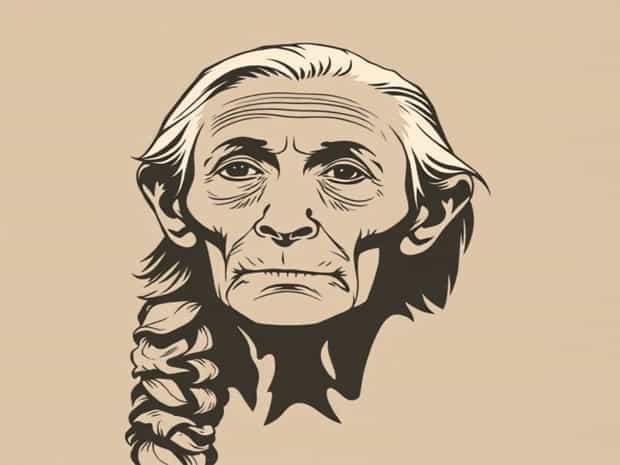
Jane Goodall Observational Study
Jane Goodall’s observational study of chimpanzees is one of the most influential and groundbreaking research projects in the field of primatology. Her work has not only expanded scientific understanding of chimpanzee behavior but has also reshaped ideas about the connection between humans and other primates. Beginning in the 1960s, Goodall spent decades observing chimpanzees in their natural habitat in Gombe Stream National Park, Tanzania, recording detailed notes on their social interactions, tool use, and emotional behaviors. Her patient, meticulous, and immersive approach to observational study revealed behaviors previously thought to be uniquely human, fundamentally altering the way scientists study animals in the wild.
Background of Jane Goodall’s Research
Jane Goodall began her research in 1960, under the guidance of renowned anthropologist Louis Leakey. Unlike previous studies that often relied on capturing or experimenting on animals, Goodall chose an observational approach, spending long hours following chimpanzee communities without interfering in their natural behaviors. This method allowed her to witness genuine interactions and develop a deep understanding of chimpanzee society. Goodall’s innovative approach emphasized patience, careful documentation, and emotional attunement, marking a significant departure from more invasive research methods prevalent at the time.
Objectives of the Observational Study
The main objectives of Goodall’s observational study were to understand chimpanzee social structures, communication methods, and behavioral patterns. Specifically, she sought to
- Document social hierarchies and relationships within chimpanzee communities.
- Observe tool use and problem-solving behaviors.
- Identify emotional and communicative expressions among chimpanzees.
- Compare chimpanzee behaviors with human traits to explore evolutionary links.
- Contribute data to conservation efforts and animal welfare awareness.
Methodology of Jane Goodall’s Observational Study
Goodall’s methodology was rooted in patient, non-intrusive observation. She employed techniques that allowed her to integrate into the chimpanzees’ environment while minimizing human impact. Key elements of her methodology included
- HabituationGradually gaining the trust of chimpanzees so they would behave naturally around her.
- Long-term observationSpending years recording daily behaviors to detect patterns over time.
- Individual identificationNaming and tracking individual chimpanzees to monitor social dynamics and personality traits.
- Behavioral documentationKeeping meticulous notes and sketches of observed behaviors, interactions, and tool use.
- Non-invasive techniquesAvoiding interference to ensure the authenticity of natural behaviors.
Major Findings from the Observational Study
Jane Goodall’s observational study produced several groundbreaking discoveries that challenged prior assumptions about animal intelligence and behavior
- Tool UseGoodall observed chimpanzees fashioning sticks to extract termites from mounds, demonstrating that tool use is not unique to humans.
- Complex Social BehaviorShe documented intricate social hierarchies, alliances, and grooming behaviors that maintain group cohesion.
- Emotional DepthChimpanzees displayed empathy, grief, joy, and problem-solving abilities, highlighting emotional complexity.
- Hunting and Meat SharingGoodall observed coordinated hunting and food sharing, indicating cooperation beyond mere survival instincts.
- Conflict and AggressionShe documented intergroup conflicts and violent behaviors, revealing parallels to human social dynamics.
Impact on Science and Society
Goodall’s observational study revolutionized the study of animal behavior. By demonstrating that chimpanzees exhibit intelligence, emotion, and culture-like behaviors, she challenged the strict division between humans and animals. Her research influenced ethology, anthropology, and psychology, encouraging scientists to consider the cognitive and emotional capacities of non-human species. Beyond academia, Goodall’s findings sparked global awareness of conservation issues and the ethical treatment of animals, inspiring generations of scientists, educators, and environmentalists.
Applications in Conservation and Ethics
The insights from Jane Goodall’s observational study directly informed conservation strategies for chimpanzees and other wildlife. Key applications include
- Protecting habitats in Gombe and other regions to preserve chimpanzee populations.
- Promoting ethical guidelines in wildlife research to prioritize non-invasive observation.
- Educating the public about the intelligence and social complexity of chimpanzees to foster empathy and conservation support.
- Supporting international efforts to reduce poaching and illegal wildlife trade.
Long-Term Observations and Continuing Research
One of the most remarkable aspects of Goodall’s work is its long-term nature. Decades of continuous observation have allowed researchers to study generational changes, social evolution, and adaptation in chimpanzee communities. Longitudinal studies have revealed patterns in mating, leadership, and group dynamics, providing invaluable data for understanding primate behavior and evolution. Goodall’s commitment to long-term fieldwork demonstrates the power of persistent observational study in producing deep insights that cannot be achieved through short-term research alone.
Challenges Faced During the Observational Study
Conducting an observational study in the wild presented numerous challenges. Goodall contended with harsh environmental conditions, disease risks, and the need to remain unobtrusive to avoid influencing chimpanzee behavior. Additionally, gaining funding and institutional support for a female scientist working in a remote location during the 1960s required persistence and determination. Despite these obstacles, her dedication enabled her to produce groundbreaking findings that continue to shape primatology and wildlife conservation.
Legacy of Jane Goodall’s Observational Study
Jane Goodall’s observational study is celebrated not only for its scientific contributions but also for its lasting impact on public awareness and environmental activism. Her approach demonstrated that patient, empathetic observation can yield profound insights into animal behavior. Goodall’s work has inspired the creation of the Jane Goodall Institute, which continues to support research, conservation, and community-centered programs. Her pioneering methods and discoveries underscore the importance of careful, ethical study in understanding the natural world.
In summary, Jane Goodall’s observational study of chimpanzees represents a milestone in scientific research. Through patient, long-term observation, she revealed the intelligence, emotional depth, and complex social structures of chimpanzees, reshaping our understanding of primates and human evolution. Her work has had profound effects on science, conservation, and ethical perspectives on animal treatment. By combining meticulous observation with compassion and respect for wildlife, Jane Goodall set a standard for observational research that continues to influence scientists and conservationists worldwide.