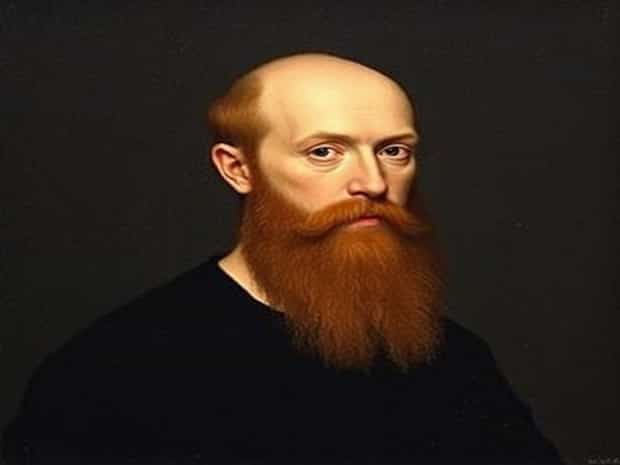
Jan Van Eyck Self Portrait
When art lovers and historians talk about the work of Jan van Eyck, one of the names most associated with the Northern Renaissance, the discussion often turns to his possible self portrait. The painting, commonly referred to as Portrait of a Man” or “Man in a Red Turban,” continues to spark debate. Many believe it is a representation of the artist himself, making it one of the earliest surviving self portraits in European art. The fascination with this work lies not only in its technical brilliance but also in its mystery and the way it reveals the innovation of van Eyck’s time.
The Background of Jan van Eyck
Jan van Eyck was a Flemish painter active in the early 15th century, around 1390 to 1441. He is widely credited with advancing the use of oil paint, bringing an unmatched level of detail, realism, and luminosity to his works. Van Eyck served as a court painter to Philip the Good, Duke of Burgundy, which gave him access to wealth, commissions, and influence. His artistry and innovations helped set the stage for what would become the Northern Renaissance, blending incredible technical skill with profound human expression.
The Painting Known as “Man in a Red Turban”
Created in 1433, this portrait is often suggested to be a self portrait of Jan van Eyck. The sitter, a man wearing a striking red turban or chaperon, looks directly at the viewer with an intensity that feels alive even after nearly six centuries. The gaze is confident, steady, and somewhat enigmatic, leaving viewers to wonder about the identity of the man behind the eyes. What makes this work so significant is the fact that direct gazes toward the viewer were unusual at the time, strengthening the belief that the subject is van Eyck himself.
Evidence That It Could Be a Self Portrait
Art historians point to several reasons why “Man in a Red Turban” may indeed be a self portrait
- Direct GazeThe subject looks out at the viewer directly, something rare in early 15th-century portraiture, hinting at the personal involvement of the artist.
- Date and InscriptionThe frame once carried an inscription in Latin that included the phrase As I can, a motto often associated with van Eyck, suggesting authorship and self-representation.
- Stylistic ElementsThe detailed rendering of skin, eyes, and textures feels intimate, almost as though van Eyck was studying himself in a mirror.
While absolute proof is impossible, these factors make the self portrait theory compelling.
Symbolism and Artistic Innovation
The portrait stands out not just for who it might depict but also for what it represents in art history. The red turban is striking, symbolizing wealth, intellect, or status. The deep, dark background makes the face and headwear stand out dramatically, a technique that highlights the artist’s command of light and shadow. The precision in the wrinkles of the skin, the texture of the fabric, and the moist reflection in the eyes reveal van Eyck’s technical mastery with oil paint, which was groundbreaking at the time.
The Role of Oil Painting
One of the reasons Jan van Eyck is remembered as a revolutionary is his refinement of oil painting techniques. Before his time, tempera was the dominant medium, but van Eyck’s oils allowed for richer color, smoother blending, and intricate layers. In “Man in a Red Turban,” these qualities are fully visible. The lifelike presence of the sitter owes much to these innovations, giving us one of the first portraits in Western art that feels truly three-dimensional and alive.
Comparison with Other Works
Van Eyck’s other paintings, such as the Ghent Altarpiece and the Arnolfini Portrait, also demonstrate his attention to detail and mastery of realism. However, “Man in a Red Turban” feels more personal. Unlike commissioned works that often idealized their subjects, this portrait carries a raw honesty. If it is indeed a self portrait, it would show van Eyck as a confident master of his craft, unafraid to depict himself with realism rather than flattery.
The Debate Among Scholars
Despite the evidence, not all historians agree that this is a self portrait. Some suggest it may have been a study of a generic model or a symbolic representation rather than a true likeness of the artist. Yet the direct gaze, combined with the motto and date, continues to persuade many experts. The uncertainty only adds to the painting’s intrigue, making it one of the most discussed works of the Renaissance.
Why This Portrait Matters
The significance of Jan van Eyck’s self portrait or possible self portrait goes beyond personal vanity. It represents a shift in how artists began to see themselves during the Renaissance. No longer merely craftsmen working under patronage, painters like van Eyck asserted their identity and status as creators of intellectual and cultural value. By painting himself, van Eyck was declaring his presence in history, aligning himself with the humanist values of individuality and self-expression.
The Legacy of the Self Portrait
Whether or not “Man in a Red Turban” is definitively Jan van Eyck’s self portrait, its influence on later artists is undeniable. The tradition of self portraiture flourished during and after the Renaissance, with artists like Albrecht Dürer, Rembrandt, and Vincent van Gogh creating iconic images of themselves. Van Eyck’s contribution may well have helped establish self portraiture as a legitimate and respected genre in European art.
Visiting the Painting Today
The painting is currently housed in the National Gallery in London, where visitors can study it up close. Seeing it in person reveals the depth of color, the sharpness of detail, and the lifelike quality that reproductions cannot fully capture. For many, standing in front of this portrait is like meeting the artist himself across centuries.
The painting known as “Man in a Red Turban” remains one of the most fascinating works of Jan van Eyck and of Renaissance art in general. While the question of whether it is truly a self portrait may never be answered with certainty, the possibility enhances its allure. What cannot be denied is the painting’s technical brilliance, emotional depth, and historical significance. In its gaze, viewers see both the mystery of identity and the birth of the modern self portrait tradition. Jan van Eyck, through this work, ensured his presence would endure far beyond his lifetime.