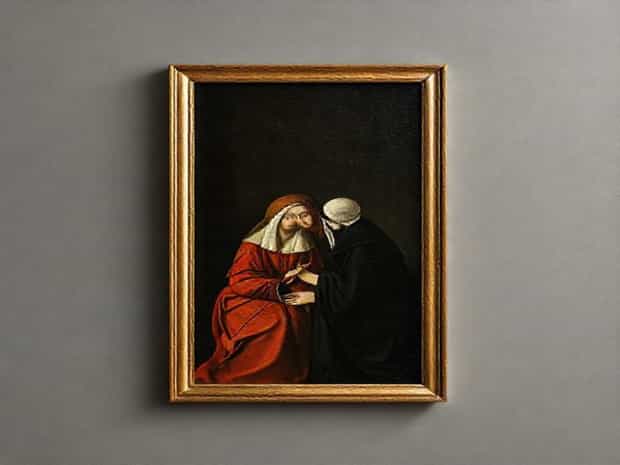
Jan Van Eyck Famous Paintings
Jan van Eyck is regarded as one of the most important painters of the Northern Renaissance, and his famous paintings continue to captivate art lovers and historians around the world. Known for his meticulous attention to detail, innovative use of oil paints, and the ability to capture both realism and symbolism, van Eyck’s works set a new standard for European art in the 15th century. His paintings are not only visually stunning but also rich in narrative and symbolic elements, offering insight into the culture, religion, and social life of his time. Exploring Jan van Eyck’s famous paintings allows us to appreciate his pioneering techniques and the lasting impact of his artistry.
The Ghent Altarpiece
One of Jan van Eyck’s most renowned works is the Ghent Altarpiece, also known as the Adoration of the Mystic Lamb, completed in 1432 in collaboration with his brother Hubert van Eyck. This monumental polyptych is located in the Saint Bavo Cathedral in Ghent, Belgium, and is considered a masterpiece of Northern Renaissance art. The altarpiece consists of multiple panels depicting religious scenes with extraordinary attention to detail, vivid colors, and complex symbolism. Van Eyck’s ability to portray textures, such as fabrics, metallic surfaces, and natural elements, creates an immersive visual experience.
Significance of the Ghent Altarpiece
The Ghent Altarpiece is celebrated for its innovative techniques and the depth of its narrative. Van Eyck’s use of oil paints allowed for intricate detailing and realistic lighting effects that were unprecedented at the time. The central theme of the altarpiece focuses on the Adoration of the Lamb, symbolizing the sacrifice of Christ and the redemption of humanity. Each figure, from angels to saints, is depicted with individual personality and lifelike presence, highlighting van Eyck’s interest in humanism and observation.
The Arnolfini Portrait
Another famous painting by Jan van Eyck is the Arnolfini Portrait, created in 1434. This double portrait of Giovanni di Nicolao di Arnolfini and his wife is celebrated for its extraordinary realism and meticulous attention to detail. Van Eyck captures not only the physical likeness of the subjects but also the intricate textures of their clothing, the furniture, and even the reflective surfaces within the room. The painting is often studied for its use of perspective, light, and symbolism, which provides a deeper understanding of marriage, wealth, and social status during the period.
Symbolism in the Arnolfini Portrait
The Arnolfini Portrait is filled with symbolic elements that reveal van Eyck’s attention to narrative detail. The small dog at the couple’s feet represents loyalty and fidelity, while the single lit candle in the chandelier symbolizes divine presence. The convex mirror in the background reflects not only the couple but also two additional figures, adding a layer of complexity and mystery. These elements demonstrate van Eyck’s mastery of combining realism with deeper thematic meaning.
Portrait of a Man in a Red Turban
The Portrait of a Man in a Red Turban, painted in 1433, is believed to be a self-portrait of Jan van Eyck. This work is highly admired for its striking use of color, particularly the bright red turban, and its meticulous rendering of facial features. The painting captures the textures of skin, hair, and fabric with remarkable realism. The intense gaze of the subject engages viewers directly, reflecting van Eyck’s skill in portraying personality and human presence. This portrait is often studied as a pioneering example of Northern Renaissance portraiture.
Technical Mastery in the Red Turban Portrait
Van Eyck’s use of oil paints in this portrait allows for subtle shading and depth, giving the face a lifelike quality. The meticulous attention to detail, from the glint in the eyes to the soft transitions of light across the skin, highlights his innovative approach to realism. This work also emphasizes the importance of individuality, a key characteristic of Renaissance humanism.
The Madonna of Chancellor Rolin
The Madonna of Chancellor Rolin, painted around 1435, is another notable work by Jan van Eyck. The painting depicts Chancellor Nicolas Rolin kneeling before the Virgin Mary, who holds the Christ Child. The background features a detailed landscape with a bridge, river, and carefully rendered architectural elements. Van Eyck’s ability to combine portraiture, religious symbolism, and landscape in a harmonious composition makes this painting a hallmark of his style.
Elements of Composition
In the Madonna of Chancellor Rolin, van Eyck demonstrates his skill in integrating figures with an expansive, realistic background. The use of perspective, reflection, and natural light creates a sense of depth that draws viewers into the scene. The symbolism is rich the Virgin represents divine grace, while Rolin’s position shows humility and devotion. This painting illustrates van Eyck’s ability to merge narrative, spiritual themes, and technical precision.
The Annunciation
Jan van Eyck also created multiple versions of the Annunciation, a common religious theme depicting the angel Gabriel announcing to the Virgin Mary that she would bear Christ. These paintings demonstrate van Eyck’s mastery of detail, light, and color. The architectural settings, intricate fabrics, and naturalistic depiction of plants reflect his commitment to realism and observation of the world around him. The Annunciation panels are notable for the delicate balance between divine narrative and human emotion.
Symbolic Details
In van Eyck’s Annunciation paintings, every element carries meaning. Lilies symbolize purity, books represent knowledge and faith, and carefully placed lighting emphasizes the presence of the divine. Van Eyck’s attention to these details reinforces the spiritual message while showcasing his technical skill.
Legacy of Jan van Eyck’s Famous Paintings
Jan van Eyck’s famous paintings have had a lasting impact on the development of European art. His pioneering use of oil paints, attention to naturalistic detail, and ability to convey both realism and symbolism influenced generations of Northern Renaissance artists, including Hans Memling, Rogier van der Weyden, and Albrecht Dürer. Van Eyck’s emphasis on individuality, careful observation, and technical innovation helped define the artistic standards of his era and beyond.
Influence on Art History
Van Eyck’s works are often cited as a bridge between medieval Gothic art and the Northern Renaissance. His combination of symbolic depth, realistic detail, and innovative techniques set a precedent for future painters. By studying his famous paintings, art historians and students can understand the evolution of European painting and the emergence of new artistic ideals during the 15th century.
Jan van Eyck’s famous paintings, including the Ghent Altarpiece, the Arnolfini Portrait, the Portrait of a Man in a Red Turban, the Madonna of Chancellor Rolin, and the Annunciation, demonstrate his mastery of technique, composition, and symbolism. Each painting reveals his commitment to realism, attention to detail, and innovative use of oil paints. Van Eyck’s influence on Northern Renaissance art cannot be overstated, as his works continue to inspire artists, scholars, and enthusiasts worldwide. Through his paintings, we gain a window into the cultural, religious, and artistic achievements of 15th-century Europe, cementing his legacy as one of history’s most important and celebrated painters.