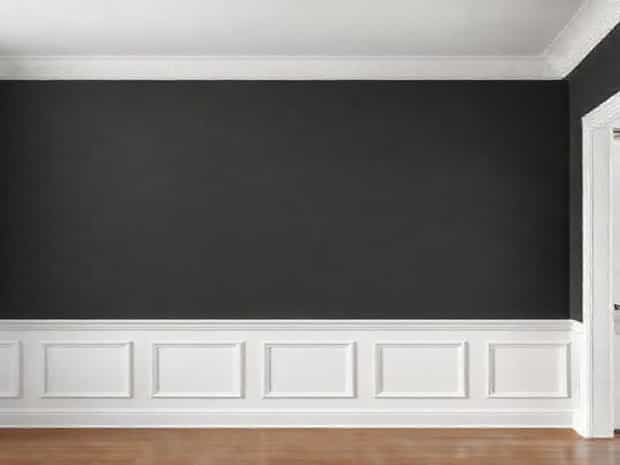
James Hardie ? Wainscoting
Homeowners searching for durable and stylish wall treatments often come across the name James Hardie and wonder whether wainscoting is part of their product line. Wainscoting is a classic design element that adds texture, protection, and character to interiors, while James Hardie is a brand widely associated with fiber cement siding and exterior solutions. The combination of these two terms often leads to questions about whether James Hardie manufactures wainscoting panels, how their materials could be used for similar applications, and what alternatives might exist for interior design projects that aim to achieve a wainscoting look with long-lasting performance.
Understanding James Hardie as a Brand
James Hardie is a globally recognized company that specializes in fiber cement products. The brand is best known for exterior siding, trim, and cladding solutions designed to resist fire, pests, moisture, and weather conditions. Instead of focusing on interior products like traditional wainscoting, James Hardie’s main mission revolves around creating long-lasting building materials that enhance curb appeal and protect homes from environmental damage.
Because of the brand’s strength in durable panels and trim boards, some homeowners and contractors wonder if James Hardie products can be adapted for interior applications like wainscoting. While the company does not directly market James Hardie wainscoting, certain materials can inspire design solutions that deliver a similar look and functionality.
What is Wainscoting?
Wainscoting refers to wooden or paneling treatments applied to the lower portion of walls, often rising between 36 and 42 inches from the floor. It originated as a way to protect walls from scuffs and damage while adding a decorative touch. Today, wainscoting serves both practical and aesthetic purposes, bringing elegance and dimension to dining rooms, hallways, staircases, and more.
Common types of wainscoting include
- Beadboard– Narrow vertical planks with a tongue-and-groove design.
- Raised Panel– Traditional panels with beveled edges for a formal look.
- Flat Panel– Simple and modern with clean lines.
- Board and Batten– Vertical boards with battens covering the seams.
While most wainscoting is made from wood, MDF, or PVC, homeowners may wonder if James Hardie’s cement-based products could be an alternative due to their durability.
James Hardie Products and Their Role in Interior Design
Technically, James Hardie does not produce wainscoting panels intended for interior use. The product line focuses on exterior siding and trim. However, the flat boards and trim pieces designed for exterior cladding could inspire creative uses in interiors where extra durability is desired. For example, in high-traffic hallways or mudrooms, homeowners may prefer the sturdiness of fiber cement panels compared to wood or MDF.
That being said, one must consider that James Hardie materials are heavier and harder to work with compared to traditional wainscoting materials. They require specialized tools and installation methods, which might make them less practical for interior wall treatments. Still, the interest in combining James Hardie durability with the charm of wainscoting reflects how popular both concepts are in the home improvement world.
Benefits of Wainscoting for Interiors
Whether or not James Hardie is involved, the benefits of adding wainscoting to interior walls are clear
- Durability– Protects walls from scratches, dents, and everyday wear.
- Style– Adds timeless elegance and character to any room.
- Versatility– Complements traditional, transitional, and modern interiors.
- Customization– Can be painted in any color to match the room’s design scheme.
- Value– Enhances the visual appeal of a home, potentially increasing resale value.
For homeowners seeking these benefits, traditional wood or MDF wainscoting may remain the most practical choice, but the thought of integrating durable materials like fiber cement opens up new possibilities in design innovation.
Why James Hardie and Wainscoting Get Linked Together
The reason people often search for James Hardie wainscoting is likely due to the brand’s strong association with panels and wall cladding. Since wainscoting is also a wall treatment, it’s natural for people to wonder if James Hardie offers an interior version. Additionally, the company’s products are known for their crisp, clean lines and customizable finishes, which visually resemble the structured look of wainscoting panels.
Contractors and designers may also explore James Hardie products when thinking outside the box, especially in transitional spaces such as enclosed porches, basements, or entryways where moisture and durability are concerns. In such cases, using exterior-grade materials indoors may provide added longevity compared to traditional wood paneling.
Alternatives to James Hardie for Wainscoting
If you are specifically searching for wainscoting solutions, it is best to explore traditional and widely available materials such as
- Solid Wood Panels– Offers authenticity and a premium look.
- MDF (Medium Density Fiberboard)– Cost-effective and easy to paint.
- PVC Panels– Moisture-resistant and great for bathrooms or kitchens.
- Pre-fabricated Kits– Simplifies installation for DIY enthusiasts.
These alternatives are lightweight, easier to install, and specifically designed for interior aesthetics and functionality. They provide the same visual charm that homeowners desire when searching for wainscoting, without the challenges of working with fiber cement materials.
Considerations Before Using Exterior Products Inside
While creative use of James Hardie boards indoors may seem appealing, it is important to evaluate practicality. Fiber cement products require proper cutting tools, dust control measures, and secure fastening methods. Without professional installation, adapting them for interior wainscoting may be more complicated than expected. Additionally, the cost of James Hardie materials may be higher compared to traditional interior paneling options.
For most homeowners, it may make more sense to choose materials that are specifically intended for indoor use while drawing inspiration from the clean, durable aesthetic associated with James Hardie.
James Hardie and wainscoting are often mentioned together because both represent quality and style in wall treatments, even though the company itself does not manufacture wainscoting panels. Instead, James Hardie specializes in exterior siding and trim products that focus on durability, weather resistance, and long-term performance. For homeowners seeking the charm of wainscoting, traditional materials like wood, MDF, or PVC remain the most practical solutions. However, the curiosity about James Hardie’s role in wainscoting highlights how influential the brand has become in the broader conversation about home design and construction. Whether indoors or outdoors, choosing the right materials ensures that both beauty and function are achieved in every space.