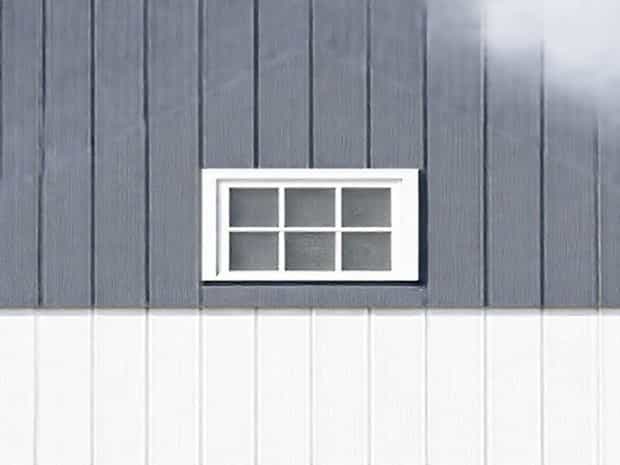
James Hardie ? Vertical Siding
James Hardie vertical siding is a popular choice for homeowners and builders looking for a durable, low-maintenance, and aesthetically pleasing exterior solution. Known for its high-quality fiber cement construction, James Hardie siding offers excellent resistance to moisture, fire, and pests, making it suitable for a variety of climates and architectural styles. Homeowners often choose vertical siding for its unique visual appeal, which can create a modern, rustic, or traditional look depending on the design. This type of siding is designed to enhance curb appeal while providing long-lasting protection for residential and commercial properties.
What is James Hardie Vertical Siding?
James Hardie vertical siding is made from fiber cement, a composite material that combines cement, sand, and cellulose fibers. This material is renowned for its strength and durability, offering superior performance compared to traditional wood siding. Vertical siding refers to the orientation of the panels, which are installed in a vertical pattern rather than horizontally. This design choice creates clean lines and a striking architectural look that can complement various home styles, including modern, farmhouse, and contemporary designs.
Benefits of Vertical Siding
There are several advantages to choosing James Hardie vertical siding over other siding materials
- DurabilityFiber cement is highly resistant to warping, cracking, and splitting, ensuring a long lifespan.
- Low MaintenanceUnlike wood, vertical siding does not require frequent painting or sealing, reducing ongoing maintenance costs.
- Moisture ResistanceJames Hardie siding is designed to withstand high humidity and heavy rain, making it ideal for coastal or wet climates.
- Fire ResistanceFiber cement siding is non-combustible, providing added protection for homes in fire-prone areas.
- Insect and Pest ResistanceUnlike wood, fiber cement is not susceptible to termite or insect damage.
- Aesthetic FlexibilityVertical siding creates a visually striking look and can be paired with different colors and textures for a custom appearance.
Installation Considerations
Proper installation is essential to maximize the benefits of James Hardie vertical siding. The siding panels are installed vertically from the foundation to the roofline, which helps in efficient water drainage and reduces the risk of moisture buildup. Homeowners should consider professional installation to ensure correct alignment, proper flashing, and secure attachment. This not only enhances the durability and appearance of the siding but also protects the property against weather-related issues.
Design Options and Styles
James Hardie offers a variety of vertical siding profiles to suit different design preferences. Popular options include
- Board and BattenAlternating wide boards with narrow battens for a classic, rustic look often seen on farmhouses.
- Channel or Groove PanelsPanels with subtle grooves that create texture and dimension for a modern appearance.
- Smooth PanelsSleek, clean lines that work well for contemporary and minimalist designs.
The siding is available in a wide range of colors and finishes through James Hardie’s ColorPlus® Technology, which ensures a uniform, fade-resistant coating that lasts for years. This technology reduces the need for painting and enhances the overall longevity and appeal of the siding.
Energy Efficiency
James Hardie vertical siding can also contribute to energy efficiency. When combined with proper insulation and air barriers, fiber cement siding helps maintain a consistent indoor temperature, reducing the workload on heating and cooling systems. While it is not a direct insulator, the durability and tight installation reduce gaps and drafts, contributing indirectly to energy savings. Homeowners can pair vertical siding with exterior insulation systems for enhanced energy performance.
Maintenance and Longevity
One of the main reasons homeowners choose James Hardie vertical siding is its low-maintenance nature. Unlike wood, fiber cement siding does not rot or require frequent sealing. Annual cleaning with a garden hose or pressure washer is usually sufficient to remove dirt and debris. Additionally, the siding’s strong resistance to moisture, pests, and fire ensures that it can last for decades with minimal upkeep, making it a cost-effective long-term investment for property owners.
Environmental Considerations
James Hardie is committed to sustainable manufacturing practices. Fiber cement siding is made from natural and abundant materials, and the company’s production processes aim to minimize environmental impact. Choosing vertical siding not only provides durability and aesthetic appeal but also supports environmentally responsible building practices. Additionally, the long lifespan of the siding reduces the frequency of replacement, which contributes to lower waste and resource consumption over time.
Cost and Value
The cost of James Hardie vertical siding varies depending on the style, panel size, and installation complexity. While it may be more expensive initially compared to vinyl or traditional wood siding, the long-term value is significant. Reduced maintenance costs, enhanced durability, and improved curb appeal make fiber cement siding a worthwhile investment. Many homeowners find that the aesthetic and functional benefits outweigh the upfront cost, particularly in regions prone to extreme weather or high humidity.
James Hardie vertical siding offers a versatile and durable exterior solution that combines aesthetic appeal with practical performance. With a range of styles, colors, and textures, it can complement various architectural designs while providing long-lasting protection against fire, moisture, and pests. Proper installation, combined with minimal maintenance, ensures that the siding remains an attractive and functional part of any home for decades. For homeowners seeking a reliable, visually striking, and low-maintenance exterior, James Hardie vertical siding is an excellent choice that enhances both the value and beauty of a property.