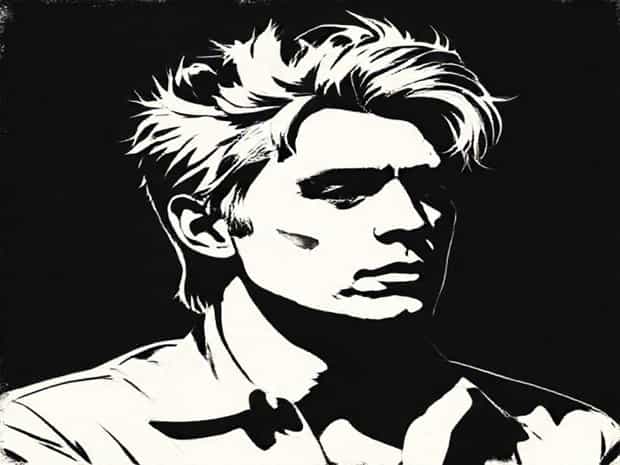
James Dean ? Andy Warhol
The connection between James Dean and Andy Warhol may not be as widely discussed as Warhol’s portraits of Marilyn Monroe or Campbell’s Soup Cans, but it is a fascinating subject that reflects the intersection of cinema, celebrity culture, and modern art. James Dean, the rebellious Hollywood actor whose life was tragically cut short, became a symbol of youthful defiance and cultural change. Andy Warhol, on the other hand, turned celebrity imagery into fine art, transforming icons into subjects of artistic exploration. When Warhol created works inspired by James Dean, he was not only honoring the actor but also exploring themes of fame, tragedy, and the fleeting nature of stardom. Looking at James Dean through Andy Warhol’s eyes allows us to better understand both figures and how their legacies became intertwined.
James Dean as a Cultural Icon
James Dean rose to fame in the 1950s with films like Rebel Without a Cause, East of Eden, and Giant. Though his career consisted of only three major movies, he left an indelible mark on Hollywood and popular culture. His brooding style, rebellious image, and untimely death in 1955 at just 24 years old turned him into a legend. Dean became the face of youthful discontent, embodying emotions that resonated with an entire generation. Even decades later, his image continues to evoke nostalgia and fascination.
The Tragic Death of James Dean
One of the reasons James Dean became such a mythic figure was the way his life ended. He died in a car crash while driving his Porsche 550 Spyder, a vehicle nicknamed Little Bastard. His sudden passing shocked fans worldwide, solidifying his reputation as a fallen star. For Andy Warhol, who was deeply interested in the fragility of life and the culture of celebrity, Dean’s story presented an irresistible subject for artistic exploration.
Andy Warhol’s Fascination with Fame
Andy Warhol’s art often revolved around celebrity culture, mass production, and the way society consumes images of famous people. His portraits of Marilyn Monroe, Elvis Presley, and Elizabeth Taylor highlight how fame transforms individuals into symbols. Warhol was fascinated by both the allure and the tragedy of celebrity life. The stories of stars who burned brightly but briefly captured his imagination, and James Dean fit this theme perfectly. By creating works of Dean, Warhol not only celebrated the actor’s fame but also commented on the tragic brevity of his career.
James Dean in Warhol’s Art
Warhol produced a number of works featuring James Dean, often highlighting his most iconic roles or referencing the tragic circumstances of his death. Some of Warhol’s Dean-inspired art features bold, contrasting colors that emphasize the actor’s face, making him appear larger than life while still haunted by fragility. These pieces are part of Warhol’s broader series of celebrity portraits, where he explored the line between adoration and commodification. Dean, like Monroe, became both a beloved individual and a reproducible image, endlessly consumed by culture.
The Symbolism Behind Warhol’s James Dean
When Warhol chose James Dean as a subject, it was more than admiration; it was a reflection of deeper themes in both of their lives. Dean’s death at a young age symbolizes the fleeting nature of beauty, fame, and youth. Warhol, who often dealt with themes of mortality and tragedy, found in Dean’s story a perfect embodiment of these ideas. Just as Monroe’s death added depth to Warhol’s silkscreens of her, Dean’s tragic end gave his portrait work an emotional weight that resonated with audiences.
Celebrity and Tragedy in Pop Art
Warhol’s interest in tragic figures was not accidental. He believed that fame often carried a destructive side, and he used his art to expose this tension. By repeatedly printing James Dean’s image, Warhol emphasized how society consumes tragedy as much as it consumes glamour. This approach forces viewers to confront their own role in idolizing celebrities while simultaneously being drawn to their downfalls. In this way, Dean’s face became a powerful tool for Warhol to explore the duality of fame.
Shared Themes Between James Dean and Andy Warhol
Although they came from different artistic worlds Dean in acting and Warhol in visual art they shared overlapping themes in their public personas and legacies. Both were innovators who challenged traditional norms. Dean redefined what it meant to be a Hollywood leading man, while Warhol redefined the boundaries of art. Both also became symbols of their era Dean as the ultimate 1950s rebel and Warhol as the defining artist of 1960s Pop Art. Their intersection highlights how art and cinema feed into each other to shape cultural memory.
Impact on Future Generations
Warhol’s depictions of James Dean helped ensure that the actor’s image remained relevant for new generations. By transforming Dean into Pop Art, Warhol gave his likeness new life outside of film. Dean became not just a Hollywood legend but also a subject of fine art, bridging two different cultural worlds. This crossover continues to influence how celebrities are remembered and represented, showing how one medium can extend the legacy of another.
Collecting Warhol’s James Dean Works
Today, Warhol’s James Dean portraits are highly sought after by collectors and art enthusiasts. They combine the cultural weight of Dean’s legendary status with Warhol’s distinctive artistic style. Many of these works are displayed in galleries or private collections, where they continue to spark discussions about fame, mortality, and artistic interpretation. Their value lies not only in their artistic quality but also in their symbolic significance, as they unite two icons of American culture in one image.
Why Their Connection Still Matters
The connection between James Dean and Andy Warhol matters because it illustrates how art preserves and reshapes cultural memory. Dean’s short life and enduring fame represent the fragility of human existence, while Warhol’s art highlights society’s obsession with repeating and consuming these stories. Together, they remind us that fame is both timeless and fleeting, powerful yet vulnerable. Their legacies continue to inspire discussions about celebrity culture, making them just as relevant today as they were in their lifetimes.
Interesting Facts Linking James Dean and Andy Warhol
- Both became cultural icons in different decades, yet their images continue to resonate together in modern art.
- Warhol used silkscreen printing to reproduce Dean’s image, turning his face into a symbol of both tragedy and glamour.
- James Dean’s rebellious spirit aligned with Warhol’s vision of challenging traditional norms in art and society.
- Dean’s tragic car accident paralleled Warhol’s fascination with death and mortality, themes seen throughout his work.
- Their connection highlights the broader relationship between cinema, fame, and contemporary art.
Exploring James Dean and Andy Warhol together offers a deeper look into how art and celebrity culture intersect. Dean’s image as the ultimate rebel without a cause, combined with Warhol’s bold, repetitive style, created an enduring symbol of fame, tragedy, and cultural memory. Warhol’s works immortalized Dean beyond Hollywood, ensuring that his face became part of the fine art conversation. Together, they remind us of the power of imagery, the fleeting nature of life, and the way culture continues to consume and reinterpret icons long after their time. The story of James Dean and Andy Warhol is not just about art or cinema, but about the lasting impact of cultural legends who continue to inspire curiosity and admiration.