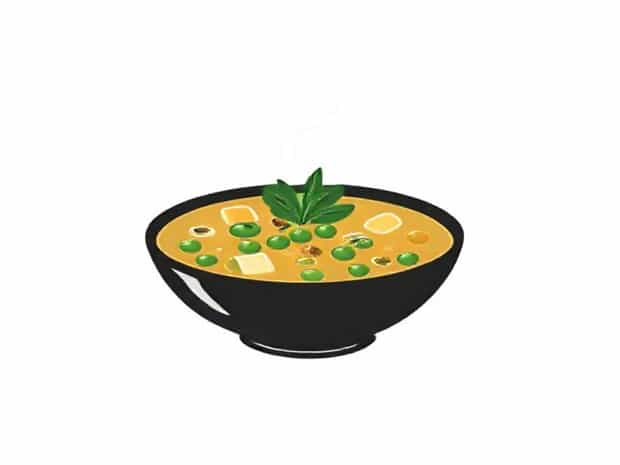
Jamaican Gungo Peas Soup With Pigtail
Jamaican Gungo Peas Soup with Pigtail is a hearty and flavorful dish that embodies the rich culinary traditions of Jamaica. This soup, made from gungo peas also known as pigeon peas and seasoned with a variety of herbs and spices, is often enhanced with salted or fresh pigtail, giving it a smoky, savory depth that is beloved by many. Often served as a main meal, this soup is nourishing, comforting, and packed with protein and fiber. Its combination of legumes, meat, vegetables, and spices makes it a quintessential example of Jamaican comfort food that is enjoyed in homes and restaurants across the island.
What are Gungo Peas?
Gungo peas, or pigeon peas, are a type of legume that are widely used in Caribbean and African cuisines. In Jamaica, gungo peas are especially popular during the fall season, as they are often associated with traditional dishes prepared for holidays and community gatherings. These peas are known for their nutty flavor, firm texture, and high nutritional value. They are a rich source of protein, dietary fiber, and essential vitamins and minerals, making them an excellent choice for a filling and healthy soup.
Nutritional Benefits of Gungo Peas
- High in plant-based protein, which supports muscle repair and growth.
- Rich in dietary fiber, aiding digestion and promoting satiety.
- Contains essential vitamins such as folate, B vitamins, and minerals like iron and magnesium.
- Low in fat, making it a heart-healthy ingredient when paired with lean meats or moderate portions of salted pigtail.
The Role of Pigtail in the Soup
Pigtail is a common addition to Jamaican soups and stews, prized for the rich, smoky flavor it imparts. Typically cured or salted, pigtail is simmered along with other ingredients to infuse the broth with savory depth. While it is high in sodium, it also contributes collagen and gelatin, which give the soup a satisfying texture and mouthfeel. In traditional Jamaican cooking, pigtail is often balanced with fresh vegetables and herbs to create a well-rounded and flavorful dish.
Preparation of Pigtail
Before adding pigtail to the soup, it is typically soaked or boiled to remove excess salt and impurities. Some cooks may parboil the pigtail and discard the water, while others may rinse it thoroughly to achieve a less intense saltiness. Once prepared, the pigtail is added to the soup along with gungo peas and other ingredients, where it simmers slowly to release its unique flavor into the broth.
Ingredients Commonly Used in Jamaican Gungo Peas Soup
While recipes may vary slightly depending on family traditions or personal preferences, a typical Jamaican Gungo Peas Soup with Pigtail includes the following key ingredients
- Gungo peas (pigeon peas), fresh or dried
- Salted or fresh pigtail
- Seasoning herbs such as thyme, scallion, and parsley
- Vegetables like carrots, pumpkin, yam, and green bananas
- Scotch bonnet pepper for heat (optional)
- Garlic, ginger, and onion for aromatic depth
- Salt, black pepper, and allspice to taste
- Water or stock to create a rich broth
Step-by-Step Cooking Process
Making Jamaican Gungo Peas Soup with Pigtail requires time and patience, as the soup develops its flavors over a slow simmer. The following steps outline a traditional approach to preparing this dish
Step 1 Prepare the Gungo Peas
If using dried gungo peas, soak them overnight to reduce cooking time and soften them. Fresh gungo peas can be used directly after rinsing.
Step 2 Prepare the Pigtail
Soak or parboil the salted pigtail to remove excess salt, then rinse thoroughly. Cut into manageable pieces for even cooking.
Step 3 Saute Aromatics
In a large pot, sauté chopped onion, garlic, ginger, and scallion in a small amount of oil to release their fragrance. This forms the flavor base for the soup.
Step 4 Combine Ingredients
Add the gungo peas, pigtail, seasoning herbs, and enough water or stock to cover the ingredients. Bring to a boil and then reduce heat to a gentle simmer.
Step 5 Add Vegetables
Once the peas begin to soften, add root vegetables such as pumpkin, carrots, yam, or green bananas. Continue simmering until all ingredients are tender and the soup has a rich, thick consistency.
Step 6 Season and Adjust
Adjust seasoning with salt, black pepper, and allspice to taste. Add scotch bonnet pepper if a spicy kick is desired. Allow the soup to simmer for an additional 10-15 minutes to allow flavors to meld.
Serving Suggestions
Jamaican Gungo Peas Soup with Pigtail is traditionally served hot, often accompanied by a side of bread or rice for a complete meal. It is perfect for breakfast, lunch, or dinner and is especially popular during cooler weather when a hearty, warming meal is desired. Leftovers can be stored in the refrigerator and often taste even better the next day, as the flavors continue to develop.
Accompaniments
- Steamed white rice or brown rice
- Crusty bread for dipping into the broth
- Hot sauce or additional scotch bonnet for spice enthusiasts
- Fresh herbs as a garnish to enhance aroma and color
Cultural Significance
Gungo Peas Soup with Pigtail is more than just a meal in Jamaica; it is a reflection of the island’s culinary heritage and resourceful cooking. The combination of legumes and preserved meat showcases traditional methods of creating flavorful, filling dishes using ingredients that are locally available. This soup is often enjoyed during family gatherings, holidays, and community events, symbolizing warmth, hospitality, and shared enjoyment of food.
Jamaican Gungo Peas Soup with Pigtail is a comforting and nutritious dish that brings together the earthy flavors of gungo peas, the smoky richness of pigtail, and the aromatic depth of herbs and spices. Its preparation requires time and attention, but the resulting soup is deeply satisfying and reflective of Jamaica’s vibrant culinary culture. Whether enjoyed as a hearty breakfast, a midday meal, or a warming dinner, this soup continues to be a staple in Jamaican homes, offering both nourishment and a taste of tradition with every bowl.