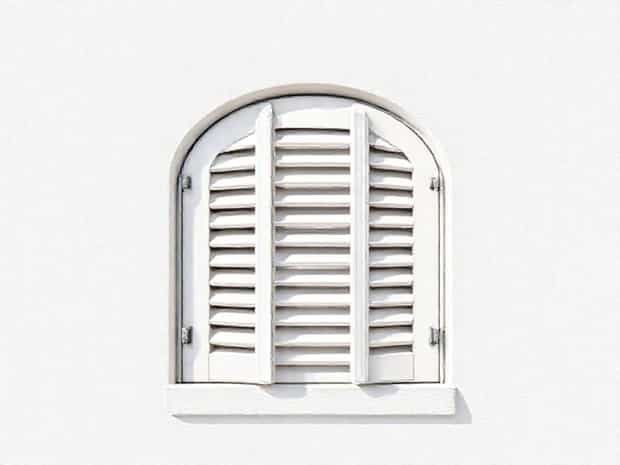
Jalousie And Louver Window Seal
Jalousie and louver windows are popular choices for homes and commercial spaces where ventilation, light control, and aesthetic appeal are essential. However, one of the most common issues with these types of windows is sealing. Proper seals are crucial to prevent air leaks, water intrusion, and energy loss while ensuring smooth operation. Understanding how jalousie and louver window seals work, the types available, and the maintenance required can help homeowners maintain comfort, reduce utility costs, and extend the lifespan of their windows. With the right seals, these windows can offer both functionality and energy efficiency without compromising style.
Understanding Jalousie and Louver Windows
Jalousie windows, also known as louver windows, consist of horizontal slats of glass, wood, or metal that pivot open and closed in unison, usually operated by a crank or lever. These windows are designed to provide excellent airflow while allowing adjustable light entry. The slats overlap slightly when closed, but without proper sealing, gaps can allow drafts, water, or insects to enter.
Benefits of Jalousie and Louver Windows
- VentilationSlats can be angled to allow maximum airflow while maintaining privacy.
- Light ControlAdjustable slats let you control the amount of natural light entering the room.
- Space SavingThey do not require swinging space like traditional windows, making them ideal for tight areas.
- Aesthetic AppealTheir classic design adds a unique architectural element to homes.
The Importance of Window Seals
Seals are essential for maintaining the performance of jalousie and louver windows. Without proper sealing, these windows can allow air, water, and debris to enter, reducing energy efficiency and potentially causing damage. Well-installed seals also help the window operate smoothly and quietly. There are various types of seals and weatherstripping designed specifically for these windows.
Common Problems Without Proper Seals
- Air LeakageGaps between slats can cause drafts, leading to higher heating and cooling costs.
- Water IntrusionRainwater can seep through improperly sealed windows, potentially damaging interior walls and floors.
- NoiseUnsealed slats may allow outside noise to penetrate, reducing indoor comfort.
- Pest IntrusionSmall insects can enter through gaps between slats if seals are worn or missing.
Types of Jalousie and Louver Window Seals
Various types of seals are available for jalousie and louver windows, each serving a specific purpose. Choosing the right type ensures maximum efficiency and longevity.
Rubber Gaskets
Rubber gaskets are a common solution for sealing jalousie windows. They provide a flexible barrier between the slats and the window frame, reducing air and water infiltration. Rubber gaskets are durable, easy to install, and replaceable when worn. They also help minimize noise and maintain a snug fit when windows are closed.
Foam Weatherstripping
Foam weatherstripping is another popular option, particularly for older windows with larger gaps. The compressible foam fills irregular spaces between slats, preventing drafts and reducing energy loss. Foam strips are generally inexpensive, easy to apply, and can be cut to fit the exact dimensions of the window slats.
Vinyl or Silicone Seals
Vinyl or silicone seals offer long-lasting protection and superior resistance to weathering. These materials maintain flexibility over time and provide a watertight barrier. Vinyl and silicone seals are often used in modern jalousie windows to improve energy efficiency and reduce maintenance needs. They are particularly useful in areas with frequent rain or high humidity.
Installation Tips for Window Seals
Proper installation is critical for maximizing the effectiveness of jalousie and louver window seals. Whether using rubber gaskets, foam, or silicone, following the correct steps ensures a tight, long-lasting seal.
Measure Accurately
Before purchasing or installing seals, measure the slats and frame carefully. Accurate measurements prevent gaps and ensure the seal fits snugly along the entire length of the slat.
Clean the Surface
Remove dirt, old adhesive, or debris from the slats and frame. A clean surface improves adhesion and helps the seal last longer. For rubber gaskets, ensure the channel is free from dust and grime to allow smooth operation.
Apply the Seal Correctly
Follow the manufacturer’s instructions for attaching the seal. Rubber gaskets may need to be pressed into channels, while foam strips may require adhesive backing. Vinyl or silicone seals may need to be applied along the slat edges carefully to maintain alignment and flexibility.
Maintenance and Replacement
Even the best seals will wear over time due to weather, sun exposure, and regular use. Routine inspection and maintenance can extend the lifespan of jalousie and louver window seals and ensure continued performance.
Inspect Regularly
Check seals at least once or twice a year for signs of cracking, compression, or detachment. Early detection of worn seals can prevent drafts and water damage before they become serious problems.
Clean Seals Periodically
Clean seals gently with a mild soap solution to remove dust, dirt, or mold. Avoid harsh chemicals that may damage the material. Clean seals maintain flexibility and ensure a proper fit against the slats.
Replace When Needed
If a seal becomes brittle, torn, or compressed beyond recovery, it is best to replace it. Replacement seals are widely available for various window models and materials. Timely replacement restores energy efficiency, reduces noise, and improves the overall function of the windows.
Energy Efficiency Considerations
Properly sealed jalousie and louver windows contribute significantly to energy efficiency. Reducing air leaks prevents heat loss in winter and keeps cool air inside during summer. In addition to comfort, energy-efficient windows can lower heating and cooling costs, making seals an essential component of sustainable home design.
Additional Tips for Efficiency
- Combine seals with thermal curtains or shades for extra insulation.
- Check for gaps around the window frame and seal with caulking if necessary.
- Consider upgrading to modern louver windows with integrated weatherstripping for better performance.
Jalousie and louver window seals are essential for ensuring proper operation, energy efficiency, and protection against the elements. From rubber gaskets to foam and silicone options, the right seal can prevent drafts, water intrusion, noise, and pest entry. Accurate installation, regular maintenance, and timely replacement extend the lifespan of these windows and enhance comfort in your home. By understanding the types of seals available and their proper care, homeowners can maximize the benefits of jalousie and louver windows, combining style, ventilation, and energy efficiency in a single, effective solution.