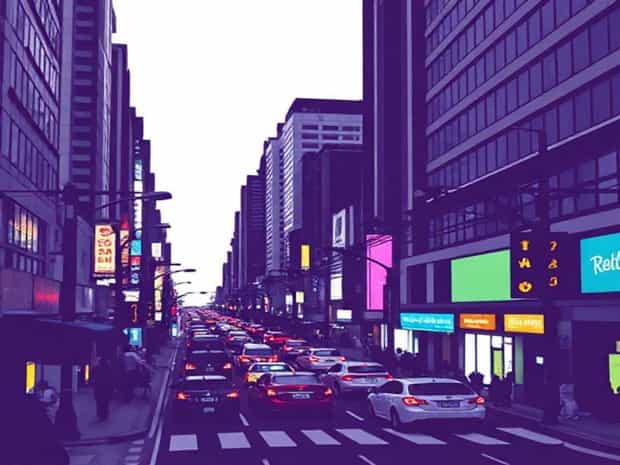
Jalan Bukit Bintang Congestion
Jalan Bukit Bintang, located in the heart of Kuala Lumpur, is one of the busiest and most vibrant areas in Malaysia. Known for its shopping centers, entertainment hubs, and bustling nightlife, this area attracts thousands of locals and tourists every day. With such a high concentration of vehicles, pedestrians, and commercial activity, congestion has become a common challenge for both visitors and daily commuters. Understanding the factors contributing to this congestion, as well as potential solutions, is essential for anyone navigating or studying urban traffic patterns in Kuala Lumpur.
Overview of Jalan Bukit Bintang
Jalan Bukit Bintang stretches through the core of Kuala Lumpur’s shopping and entertainment district. The street is lined with malls, restaurants, cafes, night markets, and hotels, making it a hub of economic and social activity. The area is especially popular during weekends and public holidays, when both locals and tourists flock to the vibrant streets for shopping, dining, and leisure. This constant influx of people and vehicles naturally contributes to congestion, particularly during peak hours.
Factors Contributing to Congestion
Several factors contribute to the heavy traffic congestion on Jalan Bukit Bintang
- High Population DensityKuala Lumpur’s city center has a dense population, with many residents and workers commuting through the area daily.
- TourismBukit Bintang is a major tourist destination, attracting thousands of visitors who often use taxis, private cars, and ride-hailing services.
- Commercial ActivitiesThe street hosts numerous shopping malls, entertainment outlets, and food centers, creating a high demand for vehicle access and parking.
- Public Transport LimitationsWhile there are train stations and bus routes nearby, the public transport system is sometimes insufficient to handle the sheer volume of commuters efficiently.
- Narrow RoadsCertain sections of Jalan Bukit Bintang have limited lane capacity, which slows down traffic during rush hours.
Peak Hours and Traffic Patterns
Traffic congestion on Jalan Bukit Bintang is most severe during weekday mornings and evenings, as well as on weekends. Weekday rush hours coincide with office commuters, while weekends see heavy crowds due to shopping and leisure activities. Special events, festivals, and sales promotions at nearby malls can also exacerbate congestion, leading to longer travel times and increased frustration among drivers and pedestrians alike.
Impact on Commuters and Businesses
Traffic congestion has a range of impacts on both commuters and local businesses. For daily commuters, congestion increases travel time, stress, and fuel consumption. Pedestrians may experience difficulties crossing streets or accessing public transport efficiently. Businesses may face delivery delays, difficulty managing staff commuting, and potential customer dissatisfaction due to crowded areas. Despite these challenges, the high foot traffic also presents opportunities for businesses to attract more customers if they can manage accessibility effectively.
Public Transportation Options
Efficient use of public transportation can alleviate some congestion on Jalan Bukit Bintang. The area is served by several modes of public transport
- LRT (Light Rail Transit)The Bukit Bintang LRT station connects commuters to other parts of Kuala Lumpur, reducing dependency on private cars.
- MonorailThe Bukit Bintang Monorail station provides an alternative to road travel and helps ease traffic during peak hours.
- BusesMultiple bus routes pass through Jalan Bukit Bintang, including local and tourist-oriented buses.
- Ride-Hailing ServicesServices like Grab are widely used, although they can sometimes add to congestion during busy periods due to pick-ups and drop-offs.
Parking Challenges
Parking scarcity is another factor that contributes to congestion. Many drivers circle the area searching for available spaces, which increases traffic volume and frustration. Multi-story car parks are available, but the high demand during peak hours often results in longer wait times. Implementing efficient parking management systems, such as digital booking and real-time availability updates, could help reduce congestion and improve traffic flow.
Strategies to Reduce Congestion
City planners and local authorities have implemented various strategies to manage congestion on Jalan Bukit Bintang
- PedestrianizationCertain sections are designed for pedestrian use, encouraging walking and reducing vehicle density.
- Traffic Signal OptimizationAdjusting traffic lights and intersections can improve vehicle flow and reduce delays.
- Enhanced Public TransportExpanding train, monorail, and bus networks encourages commuters to shift from private vehicles to public transit.
- Road Widening and Alternative RoutesCreating alternative routes and widening specific road sections can ease bottlenecks.
- Congestion PricingSome cities implement fees for driving in high-traffic areas during peak hours to discourage unnecessary vehicle use. Similar strategies could be considered in Kuala Lumpur.
Tourist Tips for Navigating Jalan Bukit Bintang
For tourists visiting Jalan Bukit Bintang, understanding congestion patterns can help ensure a smoother experience
- Travel Off-PeakVisiting early in the morning or later in the evening can reduce exposure to heavy traffic.
- Use Public TransportUtilize LRT, monorail, and buses to avoid parking issues and traffic jams.
- Plan AheadCheck maps, ride-hailing apps, and traffic updates to optimize travel routes.
- Walk When PossibleMany attractions are within walking distance of each other, making walking a practical and enjoyable option.
- Consider Nearby HotelsStaying close to the area reduces the need for frequent car trips and helps manage congestion.
Environmental Considerations
Congestion on Jalan Bukit Bintang also has environmental implications. Increased vehicle idling leads to higher air pollution, contributing to urban smog and greenhouse gas emissions. Noise pollution is another concern, affecting residents and businesses in the area. Promoting eco-friendly transport options, such as electric vehicles, bicycles, and enhanced pedestrian pathways, can mitigate these environmental impacts while improving the overall urban experience.
Future Developments
Local authorities and urban planners have proposed future developments aimed at reducing congestion in Jalan Bukit Bintang. These include expanding public transport infrastructure, improving traffic management systems, implementing smart city technologies, and encouraging alternative commuting methods. Continuous monitoring of traffic patterns and citizen feedback will be crucial to ensure that these measures are effective and sustainable in the long term.
Jalan Bukit Bintang congestion is a complex issue driven by high population density, tourism, commercial activity, and limited road space. While the area offers a vibrant mix of shopping, entertainment, and cultural experiences, traffic challenges can impact both visitors and locals. Effective public transportation, improved traffic management, strategic planning, and sustainable commuting options are key to addressing congestion. For travelers, understanding peak hours, using public transport, and planning visits wisely can greatly enhance the experience. With ongoing developments and urban planning strategies, Jalan Bukit Bintang has the potential to maintain its bustling charm while reducing traffic congestion for the benefit of everyone.