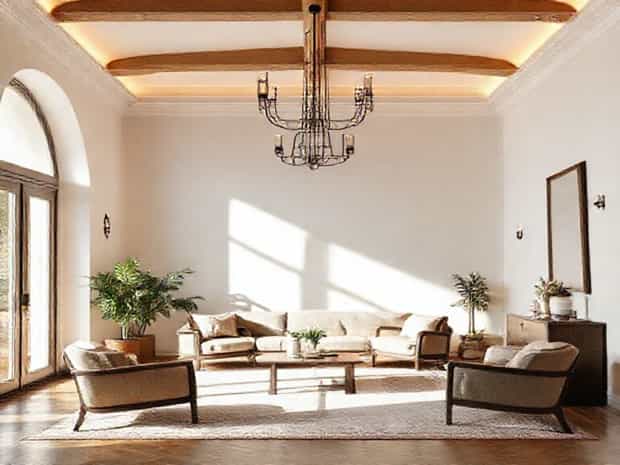
Italianate Style House Interior
The Italianate style house interior is a timeless representation of elegance, sophistication, and classical design, drawing inspiration from 16th-century Italian Renaissance architecture. Popular in the United States and Europe during the mid-to-late 19th century, Italianate interiors reflect a commitment to symmetry, ornamentation, and warmth, creating spaces that are both inviting and visually striking. From grand entryways to detailed ceiling moldings and richly appointed furnishings, the Italianate style interior emphasizes artistry, proportion, and refined craftsmanship. Homeowners and interior designers seeking a blend of classical charm and modern livability often turn to this style to create interiors that are both functional and aesthetically pleasing.
Key Features of Italianate Style Interiors
Italianate interiors are characterized by their attention to detail, dramatic architectural elements, and the harmonious integration of decorative motifs. A hallmark of this style is the use of high ceilings, often accompanied by ornate cornices and ceiling medallions that draw the eye upward. Large windows with arched tops, tall doors, and expansive doorways contribute to a sense of openness and grandeur. Richly carved wooden elements, including staircases, cabinetry, and moldings, add to the luxurious feel of the interior. Marble, stone, and natural wood finishes are frequently used to convey a sense of permanence and elegance.
Architectural Details
- High ceilings with decorative moldings and plasterwork.
- Arched doorways and windows that emphasize verticality.
- Intricate cornices, ceiling medallions, and ceiling beams.
- Decorative columns and pilasters, often with Corinthian or Ionic capitals.
- Grand staircases with carved balusters and rich wood finishes.
Color Palette and Materials
The Italianate style interior typically employs warm and earthy color palettes inspired by Mediterranean landscapes. Soft golds, terracotta, cream, olive green, and muted reds are commonly used on walls, ceilings, and furnishings. Walls may feature decorative plasterwork, frescoes, or hand-painted murals depicting pastoral or classical scenes, adding a sense of depth and history. Floors are often made of polished wood, marble, or patterned tiles, with area rugs providing additional texture and warmth. Furniture is crafted from high-quality woods, often with ornate carvings, and upholstered in rich fabrics like velvet, brocade, or damask.
Material Highlights
- Polished hardwood floors, often in dark or medium tones.
- Marble or stone accents for floors, fireplaces, and staircases.
- Plaster or stucco wall finishes with decorative molding.
- Rich textiles for curtains, upholstery, and wall coverings.
- Ornate metalwork for lighting fixtures and hardware.
Furniture and Furnishing
Furniture in an Italianate style house interior emphasizes opulence, craftsmanship, and comfort. Large, upholstered sofas and armchairs with carved wooden frames create focal points in living areas. Dining rooms often feature expansive tables with turned legs and matching chairs adorned with intricate carvings. Buffets, cabinets, and sideboards are equally ornate, showcasing the artistry of 19th-century woodworking. Accessories such as decorative vases, sculptures, chandeliers, and wall sconces complement the furniture and enhance the overall sense of elegance. Layered textiles, including throw pillows, curtains, and area rugs, add softness and visual richness to the interior.
Furnishing Elements
- Carved wooden sofas and chairs with rich upholstery.
- Large dining tables with intricate detailing and matching chairs.
- Ornate cabinets, sideboards, and display cases.
- Decorative chandeliers, wall sconces, and lamps with classical motifs.
- Use of throw pillows, drapery, and rugs to create warmth and texture.
Decorative Accents and Artwork
Italianate interiors often feature decorative accents that emphasize classical motifs, symmetry, and historical references. Ceiling medallions, cornices, and friezes frequently incorporate floral patterns, scrollwork, and geometric designs. Artwork plays a central role, with oil paintings, portraits, and landscape scenes adorning walls. Mirrors with gilded frames amplify light and create a sense of space, while sculptures, vases, and decorative urns bring a three-dimensional element to the interior. These details are carefully curated to maintain balance and proportion, ensuring that each room feels cohesive and harmonious.
Decorative Features
- Ceiling medallions and ornate cornices with classical motifs.
- Oil paintings, frescoes, and framed portraits on walls.
- Gilded mirrors and decorative frames to enhance light and depth.
- Sculptures, vases, and urns as accent pieces.
- Symmetrical arrangements to create visual harmony.
Lighting in Italianate Interiors
Lighting is an essential component of Italianate interior design, contributing to both functionality and ambiance. Grand chandeliers often serve as focal points in dining rooms, living areas, and entryways, while wall sconces and table lamps provide softer, layered lighting. Fixtures are typically made from brass, bronze, or wrought iron, and may include intricate detailing that complements other decorative elements in the room. The use of natural light through tall windows and French doors further enhances the warm and inviting atmosphere characteristic of Italianate interiors.
Lighting Tips
- Incorporate chandeliers as statement pieces in main rooms.
- Use wall sconces to provide ambient and accent lighting.
- Opt for lamps with ornate bases and classical design features.
- Maximize natural light with tall, arched windows.
- Layer different light sources to create depth and warmth.
Creating a Cohesive Italianate Interior
Achieving a cohesive Italianate interior requires attention to proportion, balance, and detail. Begin by establishing a consistent color palette throughout the home, using complementary shades for walls, furnishings, and accessories. Select furniture pieces and decorative items that reflect the classical motifs and craftsmanship typical of the style. Layer textures and materials, combining wood, stone, textiles, and metal to create visual richness. Maintaining symmetry in room layouts and decorative arrangements helps reinforce the elegance and harmony that define Italianate interiors.
Tips for Cohesion
- Maintain a consistent color palette across rooms.
- Choose furniture and decor that reflects classical elegance.
- Layer different textures and materials for visual interest.
- Keep symmetry and proportion in furniture and decor placement.
- Integrate lighting, artwork, and accessories thoughtfully.
The Italianate style house interior is a celebration of classical design, artistic detail, and refined elegance. With its emphasis on high ceilings, ornate moldings, rich materials, and carefully curated furnishings, this style creates interiors that are both impressive and inviting. By understanding the key features, color palettes, furniture selection, decorative accents, and lighting considerations, homeowners and interior designers can create a cohesive and timeless Italianate space. Whether in a historic home or a modern construction inspired by classical Italian architecture, the Italianate interior remains a symbol of sophistication, charm, and enduring beauty.