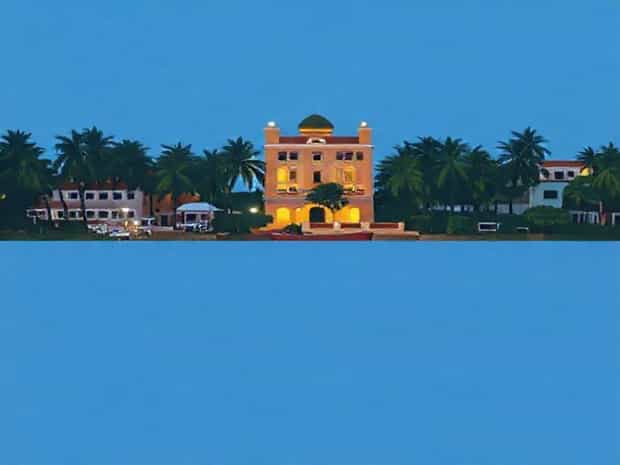
Is Zanzibar In Tanzania
Zanzibar is a destination that often raises questions among travelers, particularly about its geographical and political status. Located off the eastern coast of Africa, Zanzibar is an archipelago renowned for its pristine beaches, vibrant culture, and rich history. Many visitors wonder, Is Zanzibar in Tanzania? or How is Zanzibar related to the mainland? Understanding Zanzibar’s place in Tanzania, its unique semi-autonomous status, and its attractions provides a clear picture for those planning a trip. From historical Stone Town to tropical spice farms and stunning coastal landscapes, Zanzibar offers a fascinating blend of natural beauty, cultural richness, and historical significance that makes it an exceptional destination in East Africa.
Geographical Location
Zanzibar is an archipelago in the Indian Ocean, situated approximately 25-50 kilometers off the coast of mainland Tanzania. It consists of two main islands, Unguja (often referred to as Zanzibar Island) and Pemba, along with several smaller islets. Unguja is the largest and most developed island, hosting the capital city, Zanzibar City, and the historic Stone Town. Pemba, known for its lush vegetation and coral reefs, offers a quieter and less developed experience for travelers seeking adventure or tranquility. The archipelago’s location along key historical trade routes contributed to its diverse cultural influences and strategic importance over the centuries.
Political Status
Zanzibar is part of the United Republic of Tanzania, but it has a unique semi-autonomous status. The archipelago has its own government, known as the Revolutionary Government of Zanzibar, which manages internal matters such as health, education, and local administration. Meanwhile, defense, foreign policy, and other national matters are handled by the Tanzanian central government based in Dodoma. This arrangement allows Zanzibar to maintain a distinct cultural identity and local governance system while remaining an integral part of Tanzania. Understanding this relationship clarifies the question, Is Zanzibar in Tanzania? and highlights the archipelago’s special status.
History and Cultural Heritage
Zanzibar’s history is rich and multifaceted, shaped by centuries of trade, migration, and colonial influence. Originally inhabited by Bantu-speaking communities, the islands became a key trading hub for Arab, Persian, Indian, and European merchants. The Arab influence, particularly from Oman, is evident in Zanzibar’s architecture, cuisine, and traditions. Stone Town, a UNESCO World Heritage Site, is famous for its narrow alleys, carved wooden doors, and historic buildings that reflect this diverse heritage. Zanzibar’s cultural blend includes African, Arab, Indian, and European elements, making it a melting pot of traditions, music, and culinary flavors.
Main Attractions in Zanzibar
Zanzibar is not only historically significant but also a visually stunning destination. Visitors can enjoy a wide range of attractions, from historical sites to natural wonders and recreational activities.
- Stone TownThe historic heart of Zanzibar City, known for its UNESCO-listed architecture and vibrant markets.
- Spice FarmsTours of spice plantations offer insight into Zanzibar’s role as the Spice Island and the cultivation of cloves, nutmeg, and cinnamon.
- BeachesUnguja boasts beautiful beaches like Nungwi and Kendwa, with turquoise waters and white sand.
- Jozani Chwaka Bay National ParkHome to the endemic red colobus monkeys and diverse mangrove forests.
- Diving and SnorkelingPemba and Unguja offer vibrant coral reefs and marine life, making them popular spots for underwater exploration.
Cultural Experiences
Zanzibar provides rich cultural experiences beyond its historical landmarks. Visitors can attend traditional Taarab music performances, explore local art markets, and engage with the island’s Swahili heritage. Festivals such as the Zanzibar International Film Festival and Mwaka Kogwa, a traditional New Year celebration, highlight the archipelago’s dynamic cultural scene. The local cuisine, influenced by Arab, Indian, and African flavors, is another highlight, offering dishes like Zanzibar pizza, seafood curries, and freshly harvested spices.
Travel and Accessibility
Reaching Zanzibar is straightforward for travelers coming from mainland Tanzania and other international destinations. The islands are served by Abeid Amani Karume International Airport in Zanzibar City, with direct flights from major cities in Africa, Europe, and the Middle East. Ferries connect Zanzibar to Dar es Salaam and other coastal towns, providing an alternative mode of transport. Once on the islands, taxis, rental cars, and scooters are commonly used to explore both main towns and remote beaches.
Accommodation Options
Zanzibar offers a range of accommodations to suit different travel preferences and budgets. Luxury resorts along Nungwi and Kendwa cater to those seeking a beachfront experience with full amenities. Boutique hotels in Stone Town offer a more immersive cultural experience with easy access to historic sites and local markets. For budget-conscious travelers, guesthouses and hostels provide affordable options while maintaining the charm of the islands’ local lifestyle. Many accommodations incorporate sustainable practices, reflecting Zanzibar’s growing focus on eco-friendly tourism.
Why Zanzibar is Worth Visiting
Zanzibar’s combination of natural beauty, rich culture, and historical significance makes it an exceptional destination. Tourists can explore Stone Town’s historic streets, relax on pristine beaches, enjoy vibrant festivals, and experience local cuisine and traditions. The islands’ semi-autonomous status contributes to their unique identity, preserving cultural heritage while integrating with mainland Tanzania. For travelers asking, Is Zanzibar in Tanzania? the answer is yes, and this connection enriches the overall experience by providing easy access to both the islands and mainland attractions.
Travel Tips for Visitors
- Plan for SeasonsZanzibar has a tropical climate with wet and dry seasons. The dry season from June to October is ideal for beach activities and sightseeing.
- Local CurrencyThe Tanzanian Shilling (TZS) is the official currency, though US dollars are widely accepted.
- Respect Cultural NormsZanzibar is predominantly Muslim, so modest clothing is recommended when visiting villages and religious sites.
- Health PrecautionsTravelers should consider vaccinations and malaria prevention measures.
- Exploring Beyond BeachesIncorporate spice farms, national parks, and cultural tours into the itinerary for a comprehensive experience.
Zanzibar is an integral part of Tanzania with a unique semi-autonomous status that enhances its cultural and historical richness. Its stunning landscapes, from pristine beaches to lush forests, combined with vibrant cultural experiences, make it a destination worth exploring. Whether visiting for leisure, adventure, or cultural immersion, Zanzibar provides an unforgettable travel experience. Understanding its connection to Tanzania clarifies its geographical and political context, helping travelers appreciate the islands’ significance while enjoying all that Zanzibar has to offer.