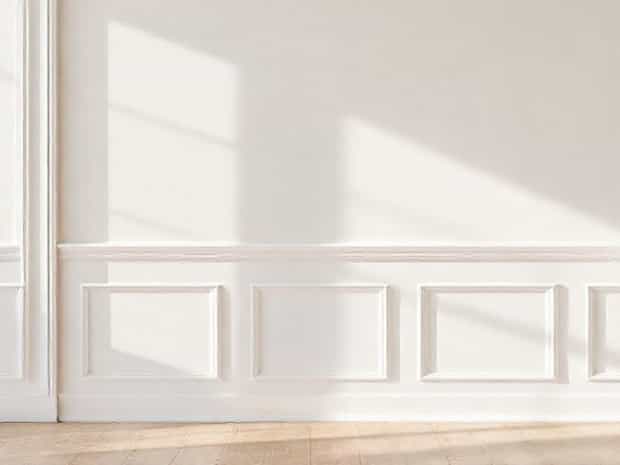
Is Wainscoting Worth It
Wainscoting has long been a popular design element in homes, often seen in dining rooms, hallways, and bathrooms. It adds texture, depth, and a touch of elegance to any space. Many homeowners wonder if installing wainscoting is truly worth the investment, especially when considering the cost, labor, and maintenance involved. Beyond aesthetics, wainscoting can also offer practical benefits, such as protecting walls from scuffs and damage, which makes it an appealing option for busy households and high-traffic areas.
What Is Wainscoting?
Wainscoting refers to decorative paneling applied to the lower portion of interior walls. Traditionally, it covers the bottom third of the wall, but modern interpretations vary in height and style. Wainscoting can be made from wood, MDF, PVC, or other composite materials, and is often painted or stained to complement the room’s decor. Its applications range from classic raised panels to simpler beadboard or flat panel styles, offering versatility for different design preferences.
Types of Wainscoting
Choosing the right type of wainscoting is essential in determining its visual impact and overall value. The main types include
- Raised PanelFeatures a classic, three-dimensional design that adds sophistication and depth. Often used in formal spaces like dining rooms.
- Flat PanelSimpler and more modern, flat panels provide a clean look while still offering wall protection.
- BeadboardCharacterized by vertical grooves, beadboard is ideal for casual or cottage-style interiors and can create a charming, textured effect.
- Board and BattenCombines wide boards with narrow battens, creating a geometric pattern that adds architectural interest to walls.
Practical Benefits of Wainscoting
One of the main reasons wainscoting is considered worth it is its functionality. Beyond decorative appeal, it offers several practical advantages that improve both the durability and appearance of your home.
Wall Protection
Wainscoting serves as a protective barrier against everyday wear and tear. In high-traffic areas such as hallways, kitchens, or children’s rooms, walls are prone to scuffs, scratches, and dents. Installing wainscoting helps absorb impacts and preserves the wall’s finish, reducing the need for frequent repainting or repairs.
Insulation and Acoustic Benefits
Depending on the materials used, wainscoting can provide minor insulation benefits. Wood or composite panels add a layer of thermal protection, helping to maintain room temperature. Additionally, wainscoting can contribute to sound dampening, reducing echo in larger rooms or open-plan layouts.
Increased Home Value
Well-executed wainscoting can enhance the overall appeal of a home, potentially increasing its resale value. Buyers often view wainscoting as a sign of quality craftsmanship and attention to detail. A tasteful installation in key areas, such as dining rooms or entryways, can make a strong impression and differentiate your home from others on the market.
Aesthetic Advantages
Wainscoting adds texture, character, and visual interest to walls that might otherwise look plain. It can serve as a backdrop for artwork, furniture, or decorative elements, making rooms feel more complete and polished. Depending on the style, wainscoting can evoke classic elegance, modern minimalism, or rustic charm, allowing homeowners to tailor it to their design vision.
Creating Visual Balance
By breaking up large expanses of wall, wainscoting can create a sense of proportion and balance. In rooms with high ceilings, panels can help reduce the feeling of emptiness, while in smaller spaces, lighter wainscoting colors can add interest without overwhelming the room.
Color and Texture Opportunities
Wainscoting allows homeowners to play with color contrasts, textures, and finishes. For example, a dark-stained raised panel in a dining room can add richness and formality, while white beadboard in a bathroom offers a fresh, airy look. The choice of paint or stain can further enhance the visual appeal and integrate wainscoting into the overall interior design scheme.
Cost Considerations
One of the key questions when deciding if wainscoting is worth it relates to cost. Prices vary widely depending on material, style, and labor. Wood panels and custom installations tend to be more expensive, while MDF or PVC options provide budget-friendly alternatives. Professional installation can add to the cost but ensures a polished, long-lasting result.
DIY vs. Professional Installation
Homeowners with carpentry experience may choose to install wainscoting themselves, reducing labor costs. DIY projects can be rewarding and allow customization, but they require time, precision, and proper tools. For more complex designs or higher-end finishes, hiring professionals can save time and prevent mistakes, ultimately protecting your investment.
Long-Term Value
While the initial cost may be significant, the long-term benefits of wainscoting often justify the investment. Its durability, protective qualities, and aesthetic appeal contribute to lower maintenance costs and can enhance home value, making it a worthwhile addition for many homeowners.
When Wainscoting Is Worth It
Determining whether wainscoting is worth it depends on your priorities, budget, and the spaces in which you intend to install it. Consider the following factors
- High-Traffic AreasHallways, entryways, and family rooms benefit most from the protective qualities of wainscoting.
- Design ImpactIf you want to add architectural interest, elegance, or texture, wainscoting is an effective way to elevate a space.
- Home ValueFor homeowners planning to sell in the future, tasteful wainscoting can be a selling point that enhances perceived quality.
- Maintenance ConsiderationsWainscoting can reduce wall maintenance in homes with children or pets, minimizing scuffs and damage.
When Wainscoting Might Not Be Worth It
While wainscoting offers numerous benefits, it may not be suitable for every home or budget. Consider these scenarios
- Small rooms with low ceilings may feel crowded if wainscoting is too heavy or dark.
- Limited budgets may prioritize functional improvements over decorative features.
- In contemporary, minimalist spaces, traditional wainscoting may clash with design aesthetics.
Is wainscoting worth it? For many homeowners, the answer is yes. Its combination of practical benefits, aesthetic appeal, and potential to increase home value makes it a strong investment. Wainscoting protects walls from wear and tear, adds visual interest, and allows for customization in design and color. While costs and installation effort are considerations, the long-term advantages often outweigh these initial challenges. By carefully selecting the type, material, and style to suit your home, wainscoting can transform ordinary walls into striking, functional design elements that enhance both the beauty and value of your living spaces.