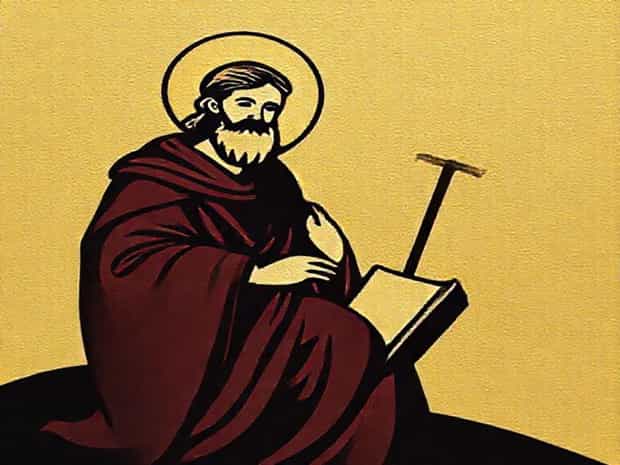
Is Tobit A Prophet
The figure of Tobit has long fascinated scholars, theologians, and believers alike, particularly because of the debate over whether he should be considered a prophet. Tobit is the central character in the Book of Tobit, which is included in the Catholic and Orthodox biblical canons but considered apocryphal in Protestant traditions. The story presents him as a devout and righteous man who faces trials, demonstrates unwavering faith, and receives divine guidance. Examining Tobit’s life, actions, and the nature of his relationship with God helps to clarify why some consider him a prophet, while others see him as more of a virtuous layperson rather than a traditional prophet.
Who Was Tobit?
Tobit lived during the period of the Assyrian exile, and he is depicted as a pious Jew who remains faithful to God despite numerous hardships. His life, as recounted in the Book of Tobit, is marked by acts of charity, prayer, and adherence to the law. Tobit’s devotion is highlighted through his burial of the dead, giving alms, and following the dietary and ritual laws, even in a foreign land. These actions reflect moral and spiritual qualities that elevate him as a model of righteousness, yet they do not automatically qualify him as a prophet in the conventional sense used elsewhere in scripture.
The Definition of a Prophet
In biblical terms, a prophet is typically someone who receives direct revelation from God and is tasked with conveying divine messages to others. Prophets often warn people about sin, offer guidance, and sometimes predict future events. Examples include Isaiah, Jeremiah, and Ezekiel, who communicated God’s will to kings, communities, and nations. While Tobit does receive divine guidance, the question arises whether his communication with God meets the traditional criteria of prophecy, as he does not serve primarily as a messenger to a wider community or nation.
Divine Guidance in the Book of Tobit
Throughout his story, Tobit experiences several forms of divine intervention and guidance. He prays frequently, especially in times of distress, and God responds to his prayers through angels, particularly Raphael. Raphael provides instruction, protection, and assistance, leading Tobit and his son Tobias through challenges such as healing and spiritual purification. This element of divine guidance demonstrates a connection with God akin to prophetic experiences, where the individual receives insight beyond normal human understanding. However, unlike classical prophets, Tobit’s revelations are often personal and practical rather than public proclamations or national warnings.
Miracles and Moral Instruction
Tobit’s life story includes miraculous events, such as the curing of blindness and the deliverance of his family from danger. These miracles are facilitated through divine intervention and angelic guidance. In addition, Tobit imparts moral lessons and ethical guidance to his son, emphasizing prayer, righteousness, and obedience to God. While these teachings are spiritually significant, they are primarily familial and personal rather than the broader societal or national messages typically associated with prophetic ministry.
The Role of Angels in Tobit’s Life
One distinguishing feature of Tobit’s story is the prominent role of the angel Raphael, who acts as both guide and intermediary between God and humans. Raphael instructs Tobias on how to overcome obstacles, heal ailments, and find a suitable spouse. Tobit himself, while deeply righteous and devout, is not the primary conveyor of divine will; rather, he is a recipient of divine assistance. This contrasts with prophets like Moses or Elijah, who directly deliver God’s messages to the people. Consequently, some scholars argue that Tobit’s role is more aligned with faithful adherence and moral example rather than active prophetic proclamation.
Comparisons With Other Prophets
Comparing Tobit with recognized prophets highlights the distinctions. Traditional prophets often confront kings or nations, call for repentance, and provide specific predictions or warnings. Tobit, by contrast, functions as a faithful servant who relies on prayer and divine guidance to navigate personal and familial trials. His story emphasizes virtue, piety, and the importance of ethical behavior in daily life rather than delivering public prophecies. While he demonstrates a close relationship with God, his role is more of a righteous layperson who models devotion rather than a prophet in the conventional sense.
Prophetic Elements in Tobit’s Narrative
Despite these distinctions, the Book of Tobit does contain elements that resemble prophecy. Tobit experiences visions, receives divine responses to prayer, and is guided toward actions that fulfill God’s plan. His story underscores the belief that God rewards righteousness and assists those who remain faithful. In this sense, Tobit embodies aspects of prophecy communication with the divine and participation in God’s unfolding plan. However, the scale and function of these experiences are limited to his personal and familial context, which differentiates him from classical prophets.
Theological Significance of Tobit
Tobit’s story serves several theological purposes, reinforcing key religious themes. It highlights the power of prayer, the importance of charity, and the role of divine providence. Tobit demonstrates that faithfulness in ordinary life can align one with God’s will, and that righteousness is recognized and rewarded. These lessons have enduring spiritual value and contribute to the perception of Tobit as a significant religious figure, though not universally recognized as a prophet. His narrative illustrates that divine guidance and moral exemplarity can exist outside the formal office of prophecy.
Recognition in Religious Traditions
The question of whether Tobit is a prophet varies across religious traditions. In Catholic and Orthodox Christianity, Tobit is venerated as a righteous man and model of faith, but he is generally not listed among the canonical prophets. In contrast, some Jewish traditions regard the Book of Tobit as apocryphal, emphasizing its moral and devotional content rather than prophetic authority. This variation reflects the broader theological debate over what constitutes prophecy and the criteria for recognizing a prophet.
Lessons From Tobit’s Life
Regardless of his prophetic status, Tobit offers several lessons for believers
- Faith and prayer are powerful tools for guidance and protection.
- Righteousness and ethical behavior in everyday life are vital components of devotion.
- Divine assistance may come through unexpected means, such as angels or personal inspiration.
- Obedience, charity, and trust in God’s plan are as significant as public proclamation or prophecy.
Tobit’s role as a righteous and devout man raises important questions about the nature of prophecy. While he experiences divine guidance, performs righteous acts, and benefits from angelic assistance, his activities are largely personal and familial rather than public or national in scope. This distinguishes him from traditional prophets who deliver messages from God to communities or nations. Nonetheless, Tobit’s life exemplifies faithfulness, moral integrity, and trust in divine providence, qualities that resonate with the essence of prophecy. He may not be a prophet in the conventional biblical sense, but he remains a significant religious figure whose story inspires ethical living and spiritual devotion. Tobit’s narrative demonstrates that engagement with God and adherence to moral principles can take many forms, and that one need not hold the official title of prophet to embody divine favor and guidance.
In summary, Tobit is best understood as a devout, righteous man whose life demonstrates the rewards of faith, prayer, and ethical conduct. While he may not meet the strict criteria of a prophet in terms of public proclamation or national messages, his story contains elements of divine communication and guidance that parallel prophetic experiences. Tobit’s life continues to provide valuable lessons in devotion, righteousness, and reliance on God, illustrating that the essence of prophecy can manifest in diverse ways beyond formal recognition.