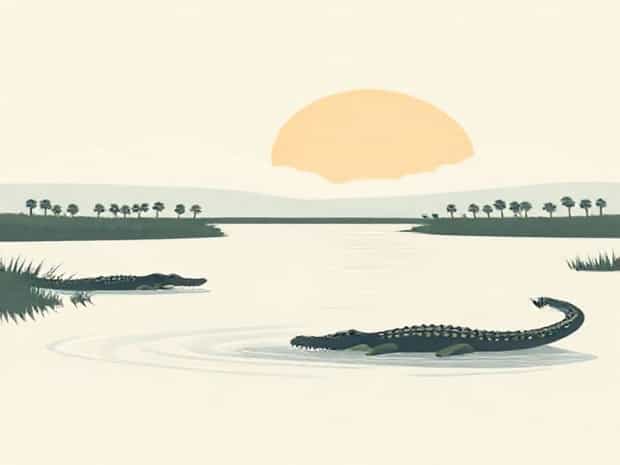
Is There Alligators In Lake Okeechobee
Lake Okeechobee, located in South Florida, is one of the largest freshwater lakes in the United States and holds great ecological, cultural, and recreational importance. Because of its size and location in the subtropical climate of Florida, many people often wonder about the wildlife that inhabits the lake. Among the most common questions asked by visitors and residents alike is whether there are alligators in Lake Okeechobee. The answer is yes, and understanding their presence provides a fascinating look into the ecosystem of this iconic body of water.
Alligators and Lake Okeechobee
Alligators are native to Florida and thrive in freshwater habitats such as lakes, marshes, rivers, and swamps. Lake Okeechobee, with its vast expanse of shallow water, wetlands, and surrounding marshlands, is an ideal environment for these reptiles. American alligators, the species found here, are an integral part of the region’s ecosystem. They help control populations of fish, turtles, and other aquatic animals, maintaining the delicate balance of nature.
Why Alligators Thrive in Lake Okeechobee
The conditions of Lake Okeechobee are nearly perfect for alligator survival. Several factors explain why these reptiles are so common in the area
- Warm climateAlligators depend on warm weather to regulate their body temperature, and South Florida’s climate offers just that.
- Ample food supplyThe lake is home to fish, birds, turtles, and small mammals, providing plenty of food for alligators.
- WetlandsThe marshy surroundings and shallow waters offer excellent nesting grounds and safe areas for young alligators.
- Size of the lakeCovering more than 730 square miles, Lake Okeechobee provides enough space for thousands of alligators to live without crowding.
Alligator Behavior in the Lake
Alligators in Lake Okeechobee behave much like those in other parts of Florida. They are generally solitary animals, though multiple alligators may be seen basking in the sun or swimming in the same area. Their activity patterns are influenced by temperature, with more movement and feeding occurring during warmer months.
During mating season, which usually takes place in late spring and early summer, male alligators can be especially vocal and territorial. Visitors to the lake may hear the distinctive bellowing sounds that males produce to attract females and ward off rivals.
Are Alligators Dangerous to Humans?
One of the biggest concerns people have about Lake Okeechobee is whether alligators pose a threat to humans. While it is true that alligators are powerful predators, they generally avoid human interaction. Attacks are rare, and most incidents occur when people ignore safety guidelines. Feeding alligators is illegal in Florida because it makes them lose their natural fear of humans, increasing the risk of dangerous encounters.
For those who live near or visit the lake, it is important to exercise caution and respect. Simple safety measures can greatly reduce risks
- Never feed or approach alligators.
- Keep pets and small children away from the water’s edge.
- Avoid swimming in areas where alligators are known to live, especially at dusk or night.
- Be cautious when fishing or boating, as alligators may be nearby.
The Role of Alligators in the Ecosystem
Alligators are considered a keystone species in Florida. In Lake Okeechobee, they contribute to the health of the environment in several ways
- Population controlBy preying on fish, turtles, and small mammals, alligators help prevent overpopulation and maintain balance.
- Creation of alligator holesAlligators dig depressions in wetlands, which hold water during dry periods. These become vital habitats for fish, birds, and other wildlife.
- Food sourceYoung or weaker alligators sometimes fall prey to larger predators, adding another layer to the food chain.
Without alligators, the ecological balance of Lake Okeechobee could be disrupted, leading to problems such as unchecked fish populations or reduced biodiversity.
Alligator Population in Lake Okeechobee
While exact numbers vary, wildlife experts estimate that Florida is home to over one million alligators. Lake Okeechobee, due to its vast size and favorable conditions, supports a significant share of this population. It is not uncommon for boaters, anglers, or birdwatchers to spot multiple alligators in a single outing.
These sightings can range from small juveniles resting on the shore to massive adults gliding through the water. The presence of these reptiles is a normal and expected part of the lake’s environment.
Tourism and Alligator Viewing
Lake Okeechobee attracts thousands of tourists each year, many of whom are eager to see alligators in their natural habitat. Airboat tours, birdwatching trips, and fishing excursions often provide opportunities to safely observe these creatures. For many visitors, spotting an alligator is one of the highlights of their experience in Florida.
Local guides are experienced in navigating the lake and educating guests about alligator behavior, ecology, and safety. This makes it possible to enjoy the thrill of seeing these reptiles without unnecessary risk.
Conservation of Alligators
There was a time when American alligators were considered endangered due to overhunting and habitat loss. Thanks to strong conservation efforts, they have recovered and are now listed as a species of least concern. However, continued protection is important to ensure their survival, particularly in areas like Lake Okeechobee where human activity is intense.
Organizations monitor populations, enforce laws against illegal hunting, and promote public education. By maintaining a balance between human use of the lake and wildlife conservation, both people and alligators can coexist peacefully.
Interesting Facts About Alligators in Lake Okeechobee
- Alligators can live for more than 35 years in the wild, sometimes even longer in protected areas.
- They are excellent swimmers and can move quickly on land for short distances.
- Alligators play an important cultural role in Florida, often appearing in local folklore, stories, and traditions.
- Despite their fearsome reputation, they are more likely to avoid humans than confront them.
Yes, there are alligators in Lake Okeechobee, and they are an essential part of the lake’s ecosystem. Their presence adds to the uniqueness of this vast freshwater body and reminds us of the rich biodiversity that thrives in Florida. While caution is necessary when near the lake, understanding and respecting these reptiles allows people to appreciate them safely. From their role as keystone species to their cultural significance, alligators continue to shape life around Lake Okeechobee in powerful and fascinating ways.