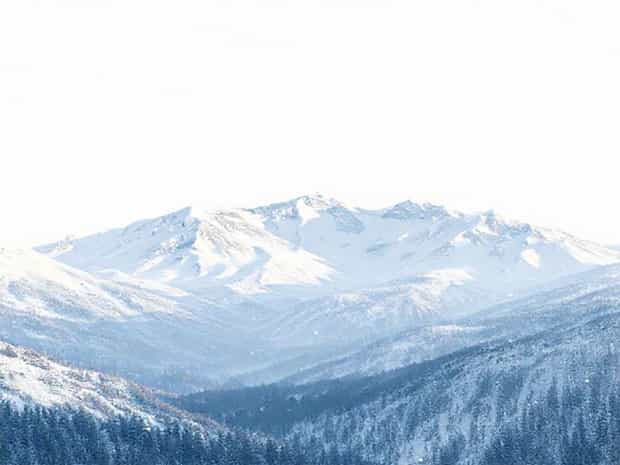
Is The Tundra Snowy
The tundra is one of the most unique and extreme biomes on Earth, characterized by its cold temperatures, permafrost, and limited vegetation. Many people associate the tundra with a snowy landscape, but the relationship between snow and tundra regions is more complex than it might first appear. Understanding whether the tundra is snowy requires examining the climate, seasonal patterns, geography, and the types of precipitation that occur in these areas. Exploring the tundra’s environmental conditions, flora and fauna, and human interactions provides a comprehensive understanding of its snowy characteristics.
Geographical Distribution of Tundra
The tundra is primarily located in the Arctic regions of North America, Europe, and Asia, as well as high-altitude areas known as alpine tundra in mountain ranges around the world. Arctic tundra regions include northern Canada, Alaska, Greenland, and Siberia. Alpine tundra appears at high elevations above the tree line, regardless of latitude. While these regions are often associated with snow, the extent and duration of snowfall vary depending on latitude, elevation, and proximity to oceans or other large bodies of water.
Climate and Temperature Patterns
Tundra climates are defined by their extreme cold, low precipitation, and short growing seasons. Average annual temperatures can range from -12°C (10°F) to 0°C (32°F) in Arctic tundra regions. Despite the cold, tundras often receive relatively little precipitation, sometimes as low as 150-250 millimeters per year, earning them the description of cold deserts. Snowfall does occur, but its frequency and accumulation depend on specific regional factors. The combination of cold temperatures and low precipitation contributes to unique snow patterns and coverage.
Snow in the Arctic Tundra
Arctic tundra regions are generally snowy during the winter months. Snow covers the ground for the majority of the year, creating an insulating layer over the permafrost. This snow layer is crucial for protecting plant roots and small animals from extreme cold. However, the snow is not always deep, as limited precipitation prevents the formation of thick snowpacks in some areas. Snow accumulation varies widely across the Arctic, with coastal areas often receiving more snow due to moisture from nearby seas.
Alpine Tundra and Snow Coverage
Alpine tundra exists at high elevations above the tree line and experiences snow throughout much of the year. In these regions, snow coverage is highly dependent on altitude and local climate patterns. Mountains often trap moisture-laden air, producing heavier snowfall compared to flat Arctic tundras. Alpine tundra ecosystems rely on seasonal snowmelt to provide water for plants and animals during the brief growing season. Unlike Arctic tundra, alpine tundra can experience more dramatic fluctuations in snow coverage due to changes in altitude and local weather.
Seasonal Variations in Snow
Snow coverage in tundra regions is strongly seasonal. During the long, harsh winters, snow blankets the landscape and temperatures remain far below freezing. In contrast, the short summer season can bring thawing and melting, exposing the ground and allowing plant life to flourish. Some tundra regions experience partial snow melt, while others remain covered with snow year-round in shaded or high-elevation areas. Seasonal variation in snow plays a key role in the tundra ecosystem, affecting plant growth, animal behavior, and water availability.
Impact on Flora and Fauna
Snow has a significant impact on tundra ecosystems. Plants, such as mosses, lichens, and small shrubs, rely on the insulating properties of snow to survive freezing temperatures. Animals have adapted to snowy conditions through migration, hibernation, or specialized physical adaptations like thick fur or feathers. For example, Arctic foxes and caribou use snow for insulation and camouflage, while migratory birds avoid the tundra during peak winter. The presence and depth of snow directly influence survival strategies for both plants and animals.
Human Interaction and Observation
Humans have historically interacted with snowy tundra regions through exploration, research, and resource extraction. Indigenous communities have adapted to snowy tundra environments for thousands of years, developing hunting, fishing, and clothing strategies suited to the climate. Modern scientists study snow and ice in the tundra to monitor climate change, as snow patterns provide important indicators of global temperature shifts. Tourism in some alpine tundra regions also highlights snow as a key feature of the landscape.
Snow as an Environmental Indicator
Snow in tundra regions is an important environmental indicator. Variations in snow cover, thickness, and timing can reveal changes in climate patterns and ecological health. Declining snow coverage in some Arctic regions is linked to rising global temperatures and melting permafrost. Monitoring snow allows researchers to understand the effects of climate change on plant life, animal populations, and human communities. The presence or absence of snow, therefore, is not just a visual characteristic of tundra but a crucial measure of environmental stability.
Common Misconceptions
One common misconception is that tundra regions are always completely snowy. While snow is prevalent during winter months, tundra areas may also have exposed ground during the short summer thaw. Precipitation in some tundra regions can be minimal, meaning snow accumulation may be less than expected. Additionally, tundra landscapes can include patches of moss, lichen, and bare soil, which become visible as snow melts. Understanding the seasonal and regional variations in snow coverage helps clarify this misconception.
The tundra is snowy, but the extent and duration of snow coverage depend on geographic location, climate, and seasonal patterns. Arctic tundra experiences long, cold winters with significant snow cover, while alpine tundra receives snow at high elevations year-round. Seasonal variations, low precipitation, and temperature extremes create unique snow patterns that influence plant and animal life. Human observation and environmental monitoring further highlight the importance of snow in understanding tundra ecosystems. While not uniformly snowy at all times, the tundra’s characteristic cold and snow-covered landscape define it as one of the most extreme and fascinating biomes on Earth.
Ultimately, whether the tundra is snowy cannot be answered with a simple yes or no. It is snow-covered for a large part of the year, especially in winter, but seasonal thawing, regional precipitation differences, and altitude variations create a dynamic and diverse snowy environment. Snow in the tundra plays a critical role in shaping the ecosystem, sustaining life, and signaling environmental changes, making it an essential feature of this remarkable biome.